
Political Tensions and Strategic Shifts Mark New Leadership Era at Brazil’s Superior Electoral Court
Brazil’s Superior Electoral Court (TSE) is undergoing a period of significant transition, characterized by a strategic reshuffling of its composition and a complex atmosphere of interpersonal political friction. The shift in the court’s makeup is drawing attention to high-profile legal matters while highlighting the delicate relationships between the nation’s top political and judicial figures.
/https://i.s3.glbimg.com/v1/AUTH_63b422c2caee4269b8b34177e8876b93/internal_photos/bs/2026/w/4/JwKpIkSkigB5dyPb0wpQ/dias-toffoli.jpg "Leadership Changes Justice Toffoli")
A notable change in the court’s profile has emerged through what is being described as a “musical chairs” movement, which has effectively positioned Justice Toffoli within the TSE. This realignment is not only altering the court’s internal dynamics but is also bringing renewed scrutiny to the “Master case.” Such movements within the TSE are critical, as they often signal shifts in how the court may approach electoral disputes and judicial oversight.
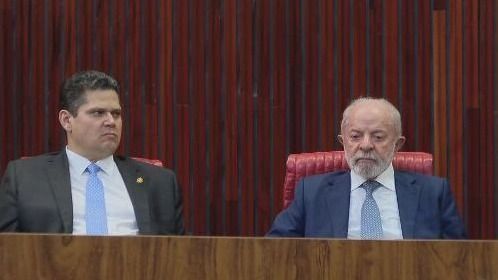
The transition has also served as a backdrop for visible political divides. In one instance, President Lula and Alcolumbre were observed standing side-by-side at the TSE without exchanging greetings or conversation. Conversely, a different tone was noted during the inauguration of Justice Nunes Marques, where Justice Alexandre de Moraes was seen greeting Michelle Bolsonaro.
The reception of new members has also varied across different judicial bodies. Jorge Messias, for example, was met with applause during his inauguration at the TSE, a stark contrast to the rejection he previously experienced at the Supreme Federal Court (STF).
Despite these interpersonal tensions, institutional leaders have expressed optimism regarding the court’s stability. Both the Attorney General’s Office (PGE) and the president of the Brazilian Bar Association (OAB) have highlighted their confidence in the new TSE management to lead the upcoming elections. This institutional support underscores the importance of the TSE’s perceived neutrality and efficiency in maintaining the integrity of the democratic process.
