
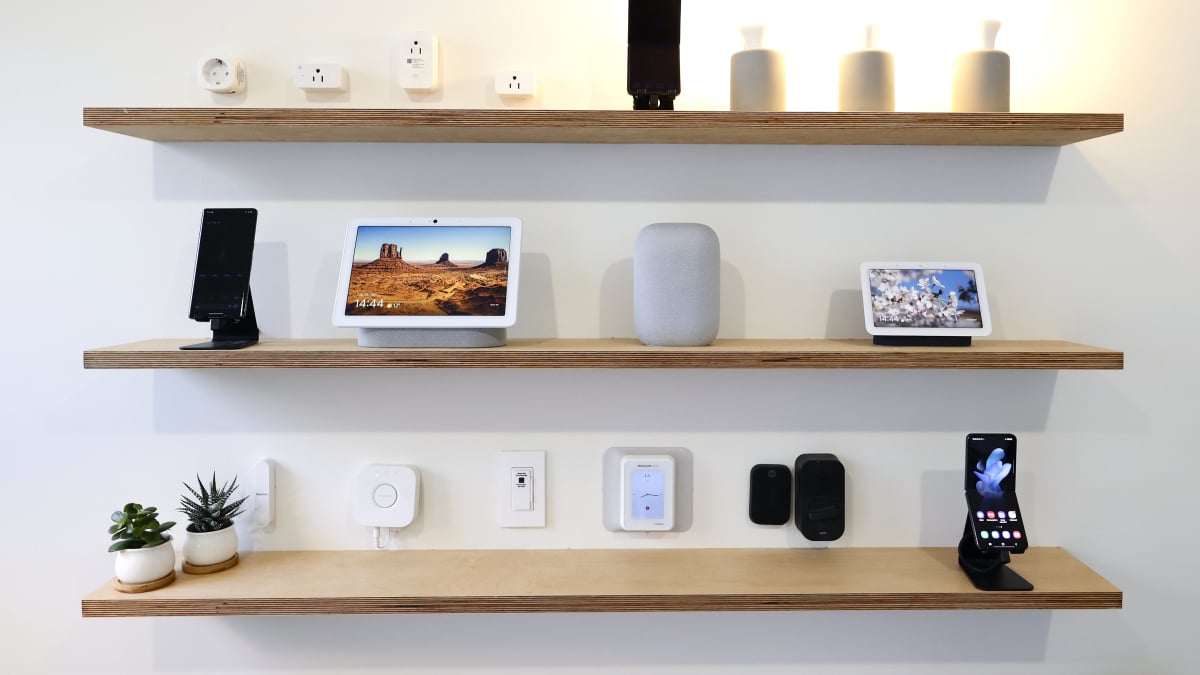
The Connectivity Standards Alliance (CSA) on June 17, 2026, launched Matter 1.6, a major update to its smart home interoperability standard, introducing NFC-based commissioning, multi-platform network management, and smarter thermostat controls, according to multiple outlets including CNET and Android Authority.
NFC-Based Commissioning: Simplifying Smart Home Setup
Matter 1.6’s most transformative feature is NFC-based commissioning, which allows users to pair devices by simply tapping their phone near a product, eliminating the need for QR codes or Bluetooth handshakes. This innovation addresses a longstanding pain point: installing ceiling lights, in-wall switches, or other devices that require setup before final placement. “In practice, this means a light bulb can be commissioned before it is screwed into a ceiling fixture, and an in-wall switch can be set up before mains power is on,” the CSA explained, as reported by Mashable.

The update builds on earlier Matter versions, which required Bluetooth for completion. Now, the entire process occurs over NFC, streamlining setup for both consumers and professionals. “This is a game-changer for larger installations, where multiple devices can be provisioned in advance and activated at their final locations,” said a CSA representative in a statement cited by Android Authority. The feature is already being adopted by manufacturers, though full implementation will depend on hardware and software updates.
Joint Fabric and Multi-Platform Management
Matter 1.6 also introduces “Joint Fabric,” a system enabling multiple smart home platforms—such as Apple HomeKit, Google Home, and Samsung SmartThings—to co-administer a single shared network. This resolves the friction of cross-platform device sharing, allowing users to control devices via their preferred app without redundant setup. “You only have to sync the household once,” noted Android Authority, which highlighted the feature’s potential for households using mixed ecosystems or professionally managed buildings.

The technology relies on a central datastore, letting administrators add or remove controllers independently of devices. “This is a significant step toward true interoperability,” said Musa Unmehopa, Alliance Board Chair, in a statement from PR Newswire. The feature is particularly relevant for new-build property handovers, where multiple stakeholders may need access to smart systems.
Thermostat Suggestions and User-Centric Control
A new “Thermostat Suggestions” framework shifts control from direct commands to time-bound recommendations. Instead of overriding user settings, smart hubs now propose adjustments tied to presets, which thermostats evaluate against preferences and environmental conditions. For example, a utility demand-response alert might be prioritized over a user’s manual temperature change. “This ensures smarter, context-aware decisions,” explained the CSA in a statement quoted by Mashable.
Users will receive explanations if a suggestion is ignored, enhancing transparency. The update also allows security sensors to share event histories across apps, providing a unified timeline of activity. “This level of detail is critical for troubleshooting and improving user trust,” said a CSA spokesperson, according to CNET.
Industry Reactions and Strategic Moves
The release coincided with the Connectivity Standards Alliance’s Unify event, where industry leaders emphasized the role of open standards in driving innovation. “The Alliance and its membership are at the forefront of the open standards wave, accelerating innovation in connected things,” said Tobin Richardson, Alliance President and CEO, in a quote from PR Newswire. The event also marked the addition of ADT and Telink to the Alliance’s Board of Directors, signaling broader industry buy-in.
ADT’s CTO, Gilles Drieu, highlighted the importance of interoperability in security: “The future of security is built on open standards, which are essential to realizing the full potential of the IoT.” Telink’s CEO, Wenjun Sheng, added that the update would “empower device makers, developers, and consumers alike with technologies that are reliable, secure, and future ready,” per PR Newswire.
While the features are promising, adoption will vary. Manufacturers may implement updates on their own timelines, and some capabilities—like video device support—remain underutilized. “It could take months or years for these features to reach existing devices,” warned CNET, which noted that new hardware will likely be the first to benefit.
For consumers, the key takeaway is greater flexibility and fewer compatibility hurdles. As the smart home market matures, updates like Matter 1.6 could redefine how users interact with connected devices, making “plug-and-play” a reality rather than a marketing promise.
https://www.cnet.
https://www.prnewswire.com/news-releases/connectivity-standards-alliance-kicks-off-unify-where-the-iot-industry-decides-what-comes-next-302802246.
https://mashable.
https://homekitnews.
Find more reporting in our Tech section.
