
Brazilian Municipalities Intensify Aedes aegypti Surveillance to Curb Mosquito-Borne Risks
Public health authorities across several Brazilian cities are ramping up efforts to monitor and eliminate breeding sites for the Aedes aegypti mosquito, the primary vector for diseases such as dengue, Zika, and chikungunya. Through a combination of large-scale field inspections and rapid infestation surveys, local governments are working to reduce mosquito density in high-risk urban areas.

In Araçatuba, the Health Secretariat has intensified its crackdown on the vector, with teams inspecting 836 blocks to identify and remove potential breeding grounds. Despite these active measures, the city’s second infestation survey of the year indicates that the Aedes population remains above the ideal threshold, underscoring the persistence of the challenge in the region.
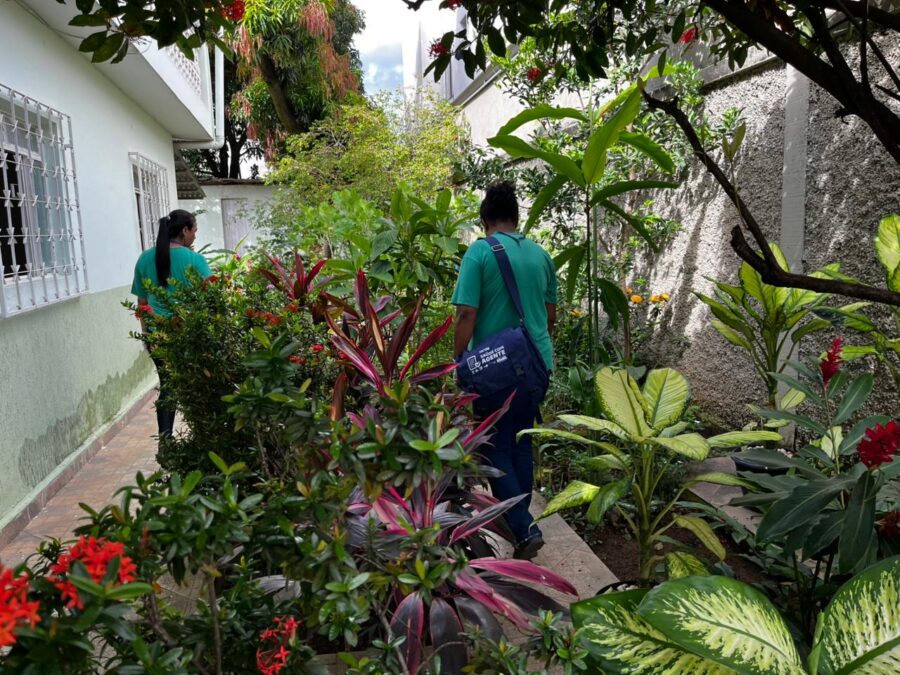
Similar vigilance is being applied in Ipatinga, where the municipal government has launched its second LIRAa (Rapid Index of Aedes aegypti Infestation Survey) for 2026. To ensure comprehensive coverage, the city has deployed more than 100 health agents to conduct street-level inspections and data collection.
Meanwhile, in Rio de Janeiro, the strategy focuses on expanding the reach of prevention efforts. Municipal health teams have extended dengue combat actions to 14 additional neighborhoods, aiming to close gaps in urban surveillance.
These coordinated efforts across multiple cities highlight the ongoing struggle to manage vector-borne diseases in urban environments. By utilizing rapid surveys and boots-on-the-ground inspections, health officials aim to identify hotspots and implement targeted interventions, which are essential for preventing larger outbreaks and protecting community wellness.
