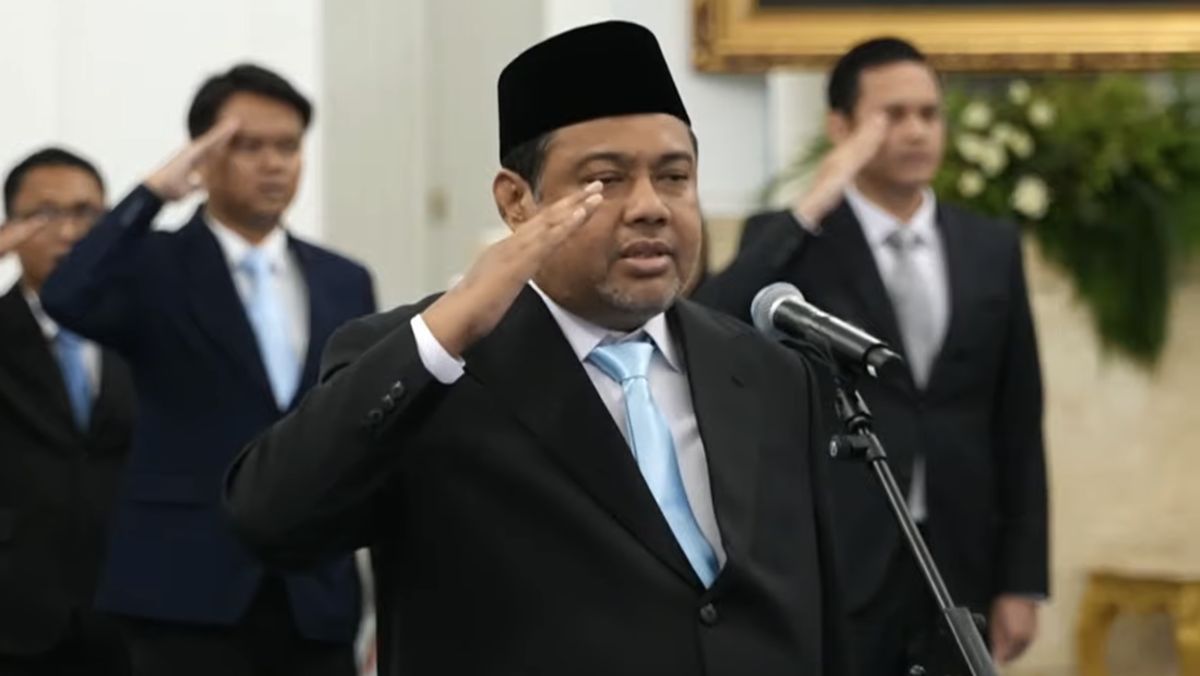
President Prabowo Subianto officially appointed Said Iqbal as Special Advisor to the President for Labor and Worker Welfare on Monday, June 8, 2026. The appointment, formalized at the State Palace in Jakarta, signals a shift in the administration’s strategy for addressing mounting labor concerns, including rising unemployment and widespread layoffs across the formal sector.
Shifting Strategy: From Labor Councils to Direct Advisory
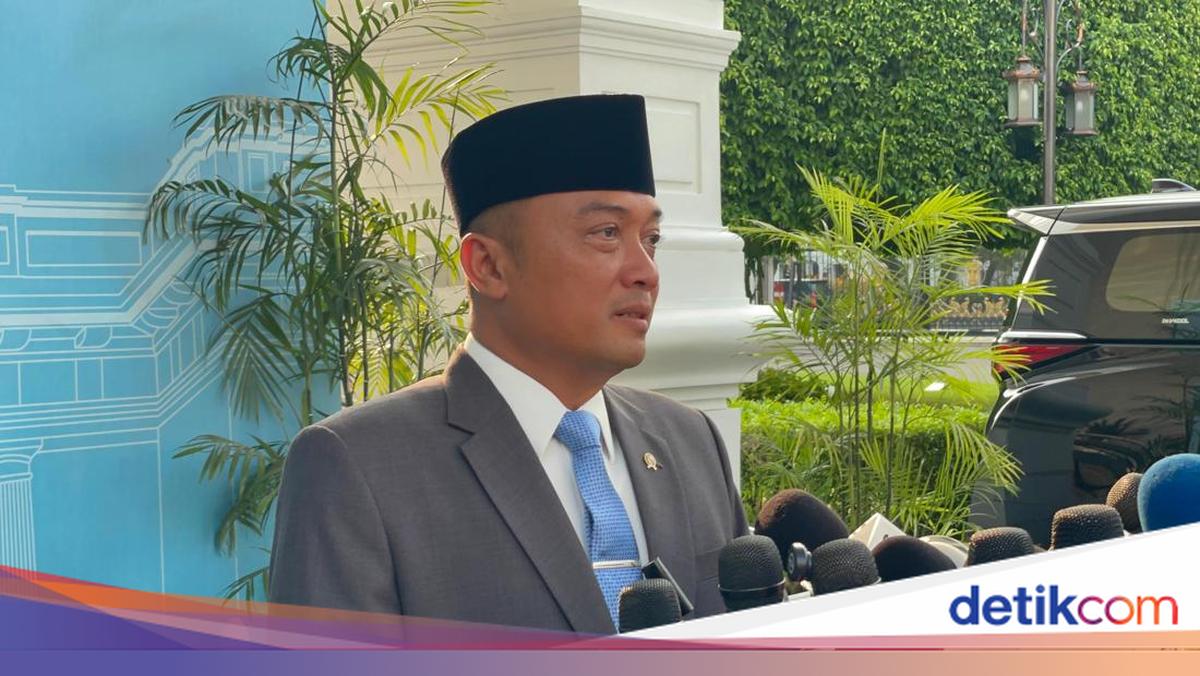
The appointment marks a definitive pivot away from the government’s previous plan to establish a formal “Labor Welfare Council.” Although the idea of creating such a body had been circulating since May Day 2025, officials have opted for a more direct, less bureaucratic approach. Minister of State Secretary Prasetyo Hadi confirmed that the administration now views the appointment of a dedicated special advisor as a more effective mechanism for communication between labor groups and the presidential office.
Photo: Kompas.com
“Jadi begini, kalau kita ingat bahwa kurang lebih satu tahun yang lalu di May Day tahun 2025 ada kehendak untuk kita membentuk apa yang disebut dengan Dewan Kesejahteraan Buruh. Namun setelah kita coba pelajari, ada sesuatu hal yang kemudian kita merasa berkenaan dengan segala sesuatu yang ingin dicapai dengan adanya dewan buruh tersebut bisa kita cari skema yang lain.”
Photo: Kompas.id
Prasetyo Hadi, Minister of State Secretary, via Detik
According to Kompas.id, the ceremony also included the inauguration of Nanik Sudaryati Deyang as Head of the National Nutrition Agency (BGN), along with two new deputies, Agustina Arumsari and retired Major General Trenggono. Despite the high-profile nature of these additions, the government has explicitly denied that these moves constitute a cabinet reshuffle. Minister Prasetyo Hadi clarified during the press briefing that the appointments were made to fill specific administrative voids rather than to overhaul the existing cabinet structure.
The transition from a proposed council to a presidential advisory role represents a significant departure from the government’s initial 2025 roadmap. During the 2025 May Day celebrations, the administration had signaled to labor leaders that a permanent council would be the primary vehicle for collective bargaining. However, internal government deliberations, as reported by state media, concluded that the council model risked procedural gridlock. By moving the labor portfolio into the Presidential Palace, the administration aims to bypass traditional inter-ministerial hurdles that often delay labor-related policy implementation.
Policy Priorities: Outsourcing and Job Security
Said Iqbal, who retains his leadership roles at the Labor Party and the Confederation of Indonesian Trade Unions (KSPI), has wasted no time outlining his agenda. Central to his focus is the upcoming revision of the Manpower Law. As reported by CNN Indonesia, Iqbal is advocating for a severe crackdown on outsourcing practices, which he identifies as a primary threat to job security.
“Kita harus memastikan dalam rancangan undang-undang tersebut, outsourcing, pekerja alih daya itu kalau bisa dihapus. Kalau lah tidak bisa, sekurang-kurangnya dibatasi dengan ketat. Misal hanya empat atau lima jenis pekerjaan penunjang saja.”
Prabowo Appoints Said Iqbal as Special Presidential Advisor, Focusing on Labor & Employment Issues
Said Iqbal, Special Advisor to the President, via CNN Indonesia
Iqbal’s legislative agenda specifically targets the current interpretation of auxiliary labor. He argues that the existing regulatory framework allows companies to outsource core manufacturing tasks under the guise of “support roles,” effectively stripping workers of permanent contracts. In his initial statement following the swearing-in ceremony, Iqbal indicated that he would leverage his new access to the President to lobby for a strict positive list of jobs eligible for outsourcing, aiming to limit these to non-core activities such as custodial work or security services.
Job Security: Promoting reindustrialization to bring workers back into the formal factory sector.
Income Security: Ensuring wages are high enough to support personal savings and sustain purchasing power.
Social Security: Strengthening welfare protections to maintain economic consumption levels.
Addressing the Crisis of Unemployment and Layoffs
Observers see the appointment as a tactical response to a cooling economy. Pangi Syarwi Chaniago, Executive Director of the Voxpol Center Research and Consulting, noted that the administration is under pressure to mitigate the impact of widespread layoffs. According to Kompas.com, Chaniago emphasized that the choice of Iqbal—a seasoned labor activist—is a clear case of placing the right individual in a position to handle the most pressing socio-economic challenges currently facing the country.
Photo: CNN Indonesia
“Karena sekarang ini masalah yang paling krusial adalah pengangguran. Lapangan kerja sulit, banyak PHK. Ini masalah yang nggak bisa dianggap sepele.”
Pangi Syarwi Chaniago, Executive Director of Voxpol Center, via Kompas.com
Labor industry analysts point out that the timing of this appointment coincides with the latest quarterly data from the Central Statistics Agency (BPS), which has reflected an uptick in the unemployment rate within the manufacturing sector. The Ministry of Manpower’s latest figures suggest that the textile and footwear industries have been hit hardest by market contraction, leading to a surge in severance disputes.
While the administration expects this new advisory role to foster more “intense” communication with the labor sector, analysts have cautioned that the government must clearly define the boundaries of Iqbal’s authority. With his role set at a ministerial level, there is a potential for friction with the existing Ministry of Manpower. The coming weeks are expected to clarify how Iqbal will balance his new responsibilities within the State Palace with his ongoing advocacy for labor unions, particularly as the draft for the new Manpower Law takes shape. Legal experts from the Jakarta-based Institute for Policy Research and Advocacy (ELSAM) noted that the success of this advisory role will depend on whether Iqbal is granted oversight powers during the drafting phase of the new Manpower Law, or if his role remains purely consultative. As of June 8, the State Palace has not released the specific decree (Keputusan Presiden) detailing the scope of Iqbal’s administrative jurisdiction, leaving the extent of his influence over future ministerial regulations currently unconfirmed.
ail: emily.johnson@headlinez.news
Bio:
Emily Johnson serves as News Editor at Headlinez.News, overseeing the publication’s coverage of national and breaking stories. She has worked in journalism for more than 12 years, building a reputation for precision, credibility, and rapid-response reporting. Emily’s editorial philosophy focuses on clear, fact-based writing that helps readers understand the full context behind the day’s most important events. Her expertise bridges traditional reporting and modern digital news strategies.
Expertise: Breaking news, political reporting, fact-checking, newsroom coordination, public affairs.
Location: Washington, D.C., USA

/data/photo/2026/05/07/69fc36cfec24d.jpg "Photo: Kompas.com")
:quality(80)/https://cdn-dam.kompas.id/images/2026/06/08/2fb8bf74b1d82d027721e134d37f7705-WhatsApp_Image_2026_06_08_at_17.59.30_1_.jpeg "Photo: Kompas.id")