
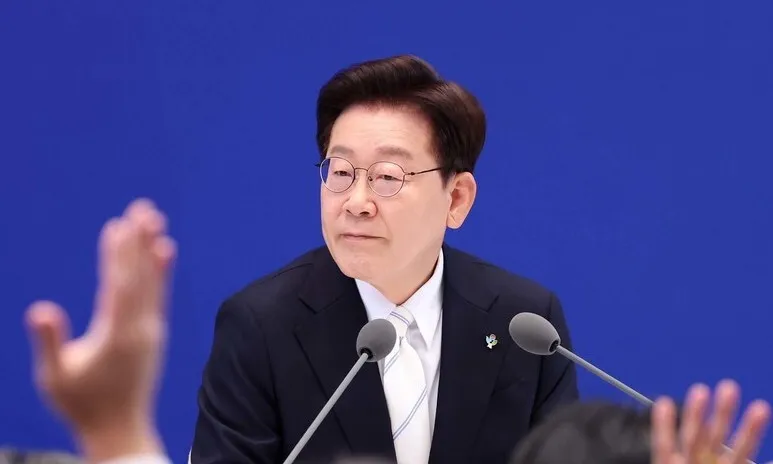
The South Korean presidency acknowledged a critical failure in managing voting materials during the June 3 local elections, sparking nationwide protests and political debates over electoral integrity. President Lee Jae-myeong, in a June 8 press conference, expressed regret over the shortage of ballots, which led to long queues and delayed voting, and praised young citizens who raised concerns about the issue.
Timeline of the Voting Paper Shortage
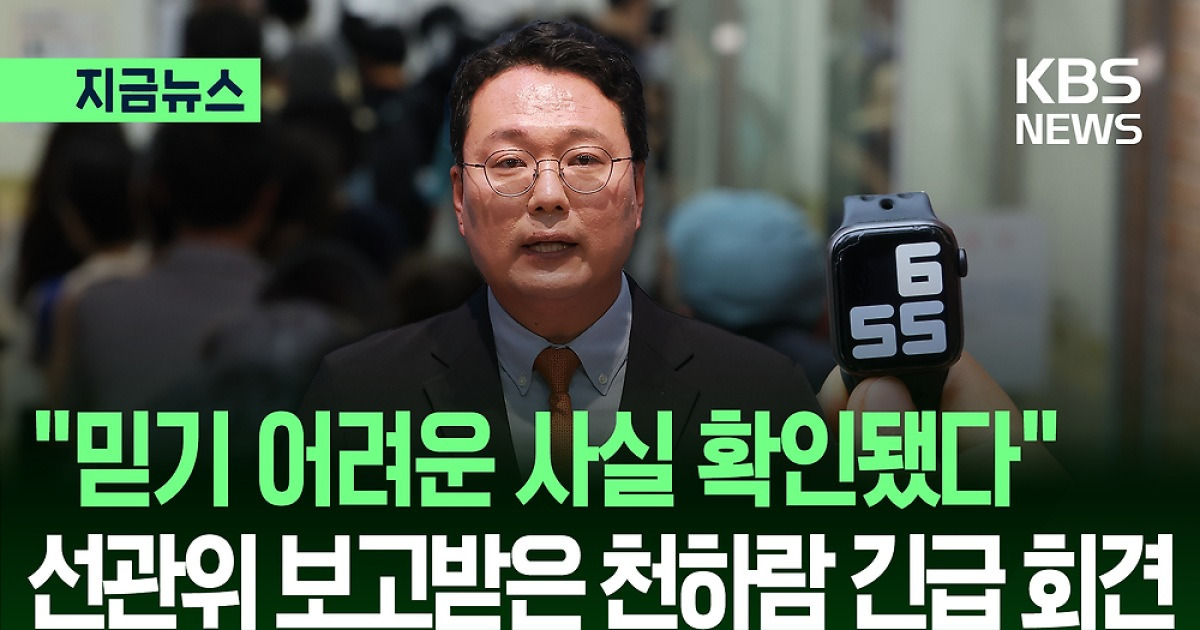
Central Election Commission (CEC) officials first became aware of the ballot shortage on June 3 through a citizen’s phone call at 4:25 p.m., according to a report from the reform-oriented party. Earlier that day, at 11:58 a.m., the Seoul Songpa District Election Committee had already noted the issue but failed to report it to the CEC. By 1:45 p.m., the district committee had requested additional ballots, but no action was taken. The CEC later confirmed that 50 polling stations faced shortages, with 22 experiencing delays, though the number could rise. Source 2
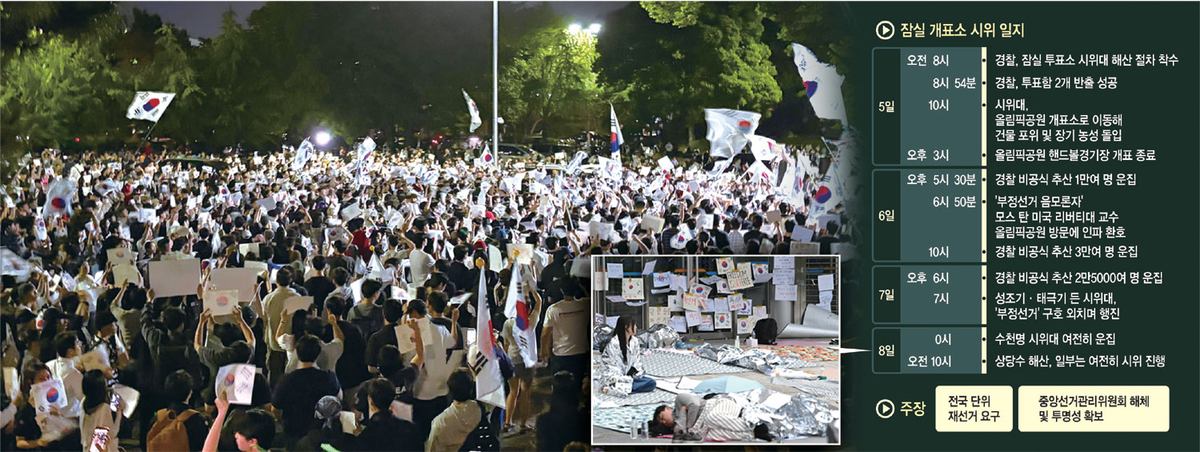
Public Protests and Generational Divides
Thousands of 2030s-generation protesters gathered in Seoul’s Olympic Park, demanding re-elections and criticizing the CEC’s handling of the crisis. Demonstrators cited broader distrust in the political system, exacerbated by economic instability and housing affordability issues. “This is more alarming than the 1979 emergency decree,” one protester said, drawing parallels to the 2011 Occupy Wall Street movement. The protests, which began on June 5, saw peak attendance of 25,000, with some participants skipping work and school to join the cause. Source 3
Political Responses: Constitutional Reform vs. Investigation
The ruling Democratic Party proposed constitutional amendments to strengthen oversight of the CEC, arguing that its current independent status limits accountability. “If the CEC’s oversight mechanisms fail, constitutional revision is necessary,” said a party official. However, the opposition National Assembly Party rejected the idea, prioritizing a national investigation and special prosecution to clarify responsibilities. “Using this incident as a pretext for unapproved constitutional changes is inappropriate,” a National Assembly Party representative stated. Source 4
President Lee’s press conference on June 8 included a call for a meeting with top officials, including the chief justices of the Supreme Court and Constitutional Court, to address systemic flaws. “The CEC’s independence should not shield it from scrutiny,” he said, signaling a potential shift in electoral governance. However, the opposition warned against hasty reforms, emphasizing the need for transparency before considering constitutional changes. Source 1
Implications for Electoral Integrity
The crisis has intensified debates over the CEC’s role and the broader political system’s responsiveness to public concerns. Analysts note that the incident reflects deeper generational tensions, with younger voters demanding greater accountability. “The CEC’s failure is not just administrative but symbolic of a system that overlooks citizen voices,” said a political commentator. As protests continue, the government faces pressure to balance reform with procedural rigor, ensuring that electoral processes remain both fair and resilient. Source The government's handling of the crisis will likely determine the extent to which public trust in the electoral system can be restored, and the impact on future elections will be a pressing concern for lawmakers and citizens.
