
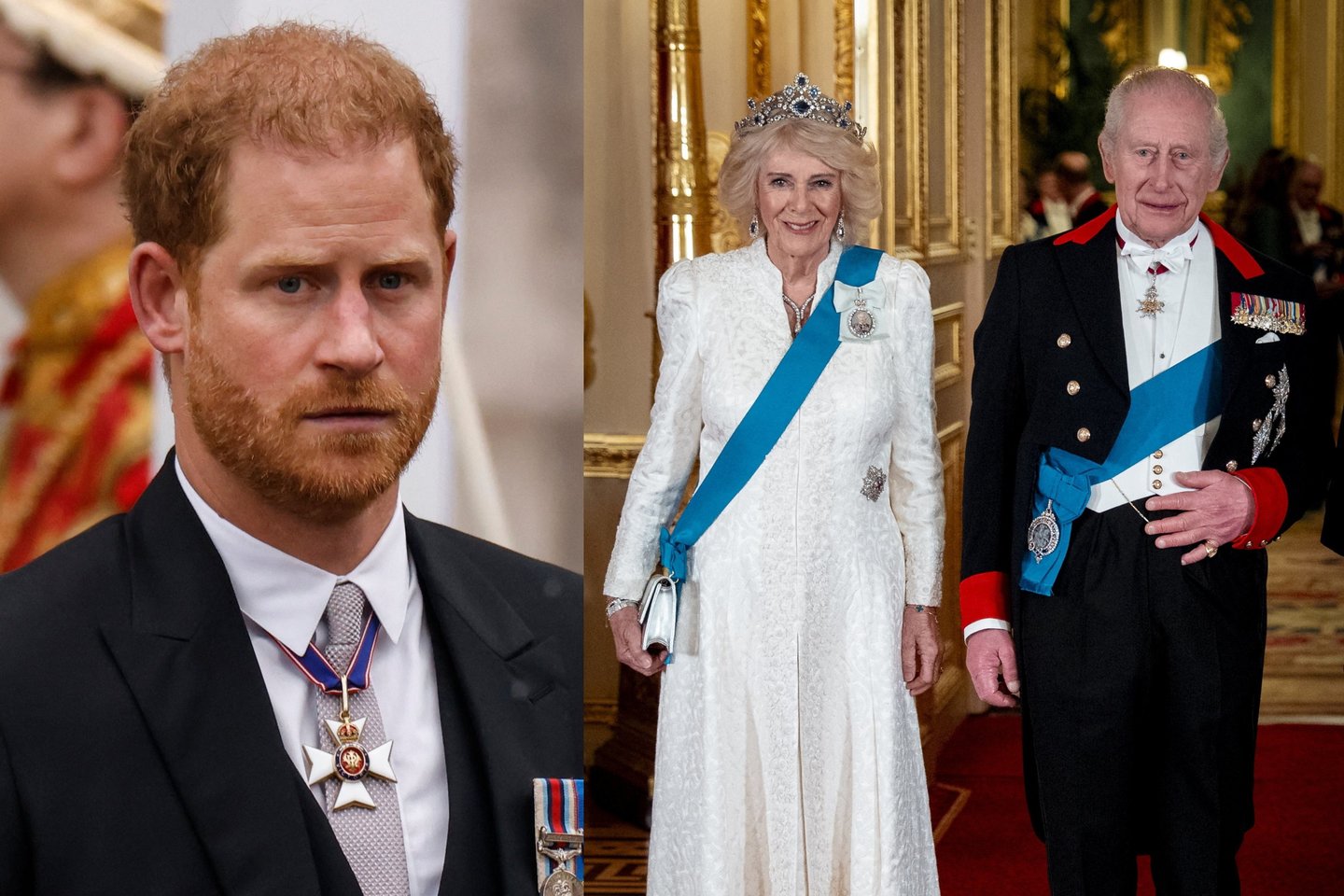
Prince Harry Revealed He Once Begged King Charles Not to Marry Queen Camilla
The royal wedding of King Charles III and Queen Camilla on April 9, 2005, was a milestone for the couple, but it was preceded by significant internal family tension. In his memoir Spare, Prince Harry revealed that he and Prince William once pleaded with their father to forgo the marriage entirely.
While Harry and William eventually agreed to welcome Camilla into the family, the prince admitted that they initially viewed her as one of the primary catalysts for the collapse of his parents’ marriage. Despite this deep-seated conflict, Harry acknowledged that Camilla brought genuine happiness to his father.
“The only thing we asked in return—that he not marry her. You don’t need to get married again, we begged,” Harry wrote.
According to the memoir, the siblings’ plea was rooted in a fear of the inevitable fallout. Harry explained that they believed a wedding would ignite a media firestorm and prompt the entire world to once again compare Camilla to Princess Diana—a scenario they felt no one wanted, least of all Camilla herself.
The 2005 ceremony marked a second marriage for both Charles and Camilla. The event was attended by King Charles III’s sons, Princes William and Harry, as well as Camilla’s children, Tom and Laura.
The couple’s path to marriage was fraught with public and private scrutiny. Charles had previously been married to Princess Diana; the pair separated a year before her tragic death in 1997 at the age of 36. Camilla had as well been previously married to Andrew Parker Bowles, with whom she shares two children.
Although Charles and Camilla first went public with their relationship in the early 2000s, several years after the passing of Princess Diana, it took another full year after their 2005 wedding before Camilla began appearing publicly with the princes.
This revelation highlights the enduring complexities of the royal family’s private struggles and the lasting impact of their public image, illustrating the delicate balance between personal happiness and institutional stability.
