
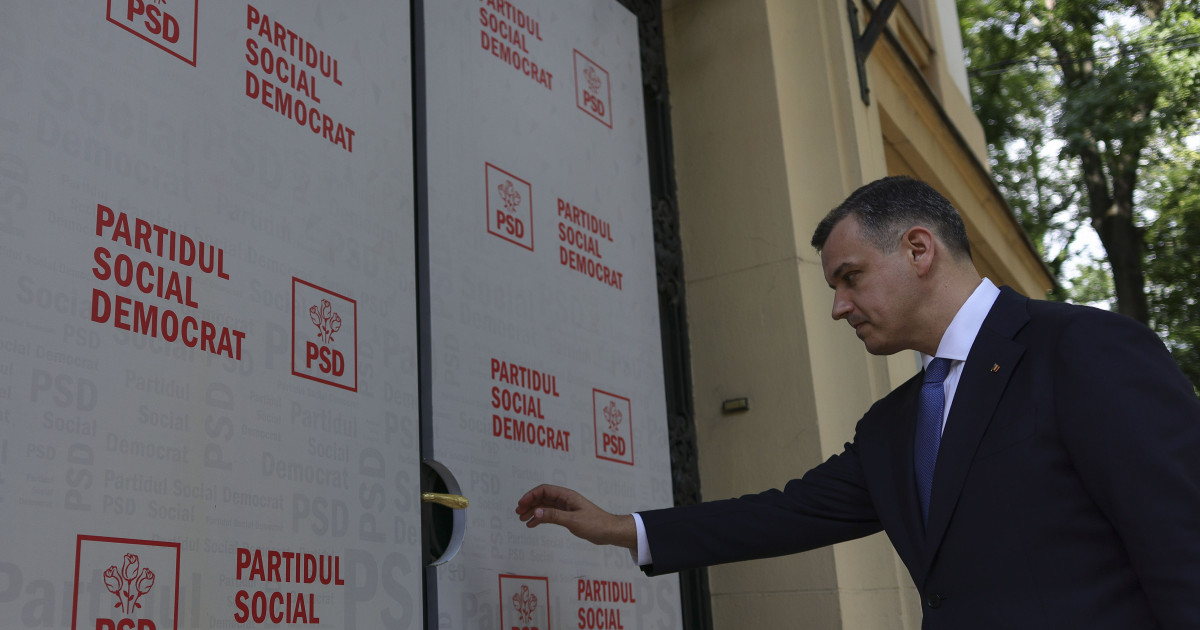
Romanian political forces are locked in high-stakes negotiations as the Social Democratic Party (PSD) demands sweeping economic reforms in exchange for supporting Premier-designate Eugen Tomac’s government. The standoff, unfolding amid urgent EU funding deadlines, has exposed deep divisions over fiscal policy and governance, with both sides vying to shape the country’s future.
PSD’s Nine Conditions for Support
The PSD has presented Tomac with a comprehensive 9-point agenda, demanding an end to austerity measures and a shift toward social and economic relief. Key demands include reducing value-added tax (VAT) on essential goods, indexing pensions starting January 1, 2026, and eliminating the Social Insurance Contribution (CASS) for vulnerable groups like mothers, veterans, and people with disabilities. The party also insists on a “pensioner-friendly” salary increase and tax incentives for low- and middle-income workers Antena 3 CNN.
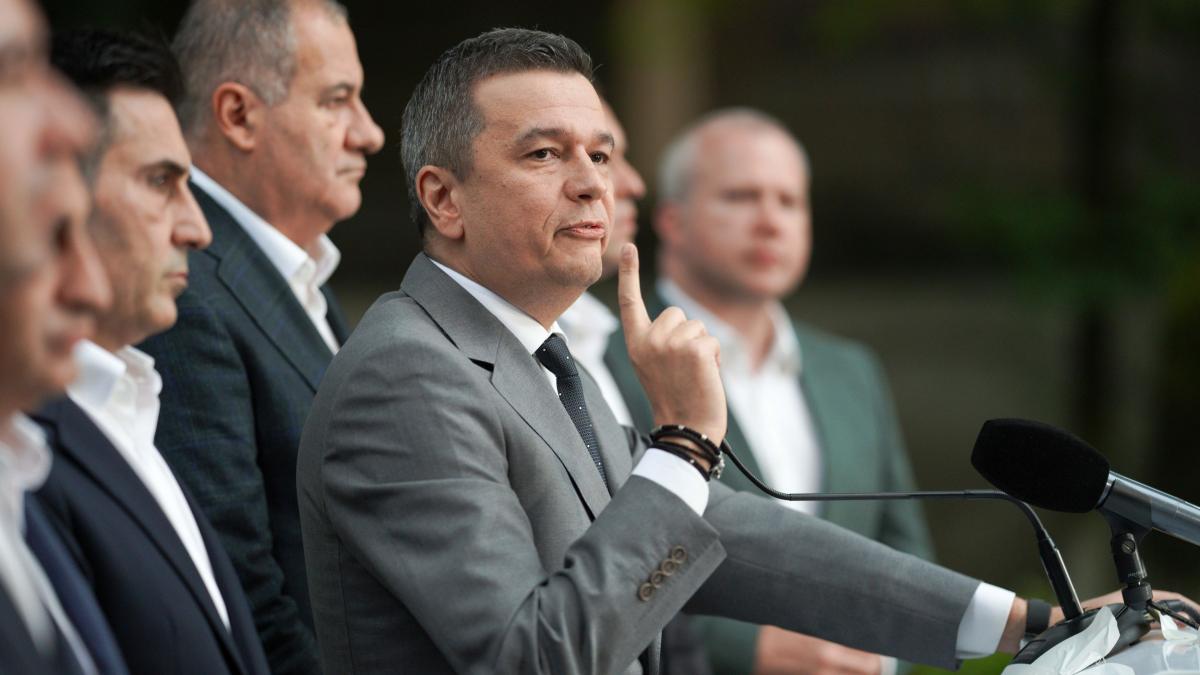
The PSD’s list also includes structural reforms like expanding tax inversion mechanisms in high-risk sectors and reinvesting profits into innovation and production. Additionally, the party seeks to revive the Rabla+ program, which subsidizes energy-efficient upgrades, and to guarantee state-backed loans for farmers. These demands reflect the PSD’s push for a more interventionist economic model, contrasting with the current government’s austerity-focused approach Digi24.
The Institutional Framework of Negotiations
Under the Romanian Constitution, the process of forming a government requires the President to nominate a candidate for Prime Minister after consulting with the parliamentary parties. Once designated, the candidate has a limited timeframe to draft a governing program and present a cabinet for a vote of confidence in Parliament. If the candidate fails to secure a majority, the process restarts, often leading to prolonged instability. The current negotiations are critical because any government formed must command a majority to pass the annual budget and implement structural reforms mandated by the European Commission.
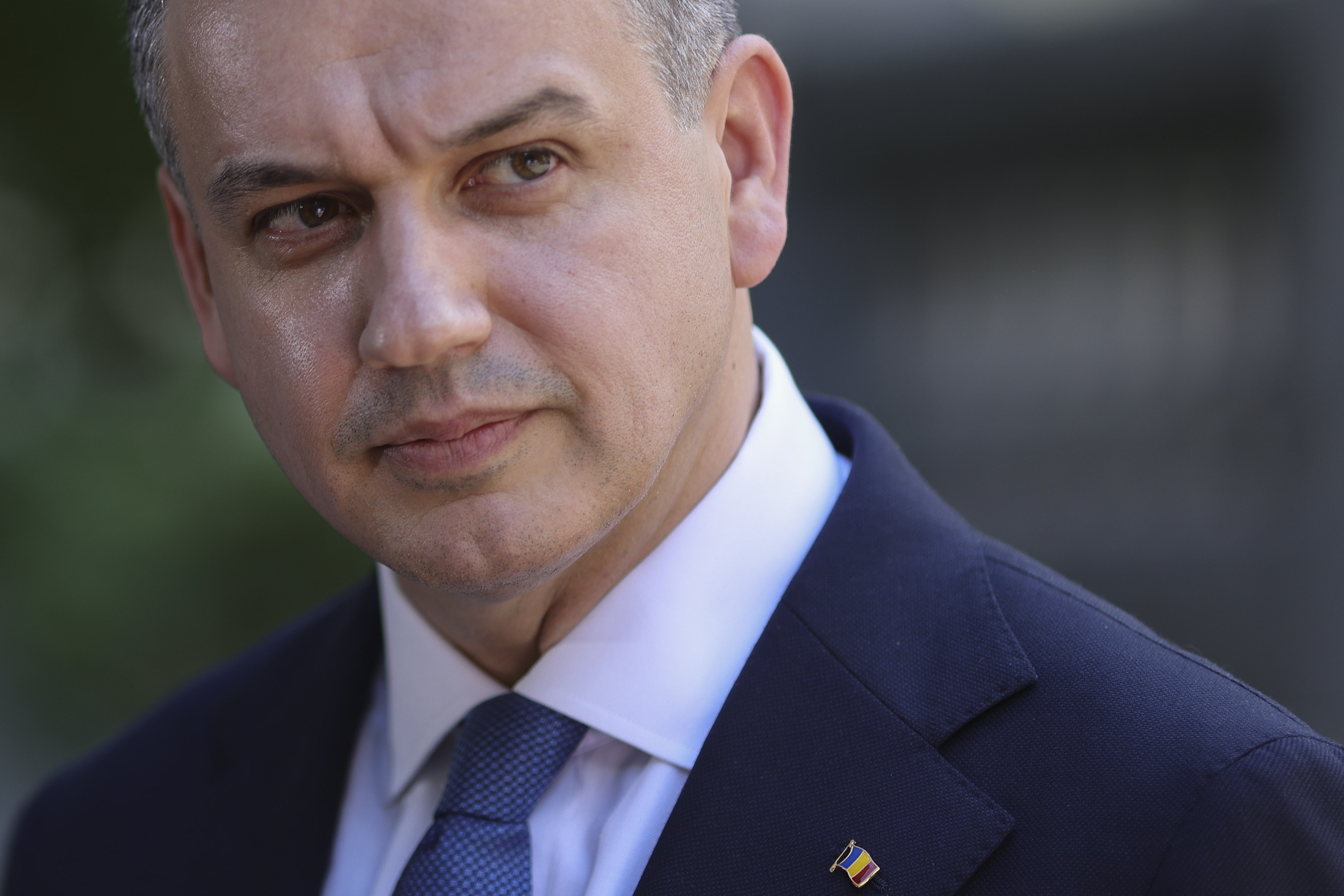
The urgency stems from the Recovery and Resilience Plan (RRP), which provides significant financial support to Romania contingent on specific administrative and fiscal milestones. Failure to reach a consensus in the legislature threatens the disbursement of these tranches, placing immense pressure on both the Premier-designate and the negotiating parties to reach a viable compromise before the legislative clock runs out.
Tomac’s Call for Compromise
Tomac, a former EU commissioner, has framed his government as a “national project” rather than a personal endeavor, emphasizing that it must prioritize Romania’s interests over partisan agendas. “This government is not mine—it is Romania’s,” he declared, stressing the need for a “rational” approach to governance amid the country’s financial constraints. He acknowledged the PSD’s demands but warned that immediate tax cuts are unfeasible given the current budget deficit of 6.2% of GDP Agerpres.
Tomac’s team is currently negotiating with multiple parties, including the National Liberal Party (PNL), the Union of Hungarians in Romania (UDMR), and independent lawmakers. While the PNL and USR have expressed reservations, the PSD has signaled openness to supporting his government, provided its conditions are met. However, Tomac has refused to meet with the Alliance for Romania (AUR), a far-right party, citing ideological differences HotNews.ro.
Expert Warnings on Fiscal Realities
Economist Ionuț Dumitru, a former advisor to interim Prime Minister Ilie Bolojan, has cautioned against the PSD’s proposals, arguing that Romania lacks the fiscal space to implement immediate tax cuts. “We need to reduce the deficit from 6.2% to below 3% of GDP,” he explained, noting that previous austerity measures—such as frozen pensions and salary freezes—were necessary to stabilize the economy. Dumitru warned that “reducing taxes now would be unrealistic” given the current budget constraints Digi24.
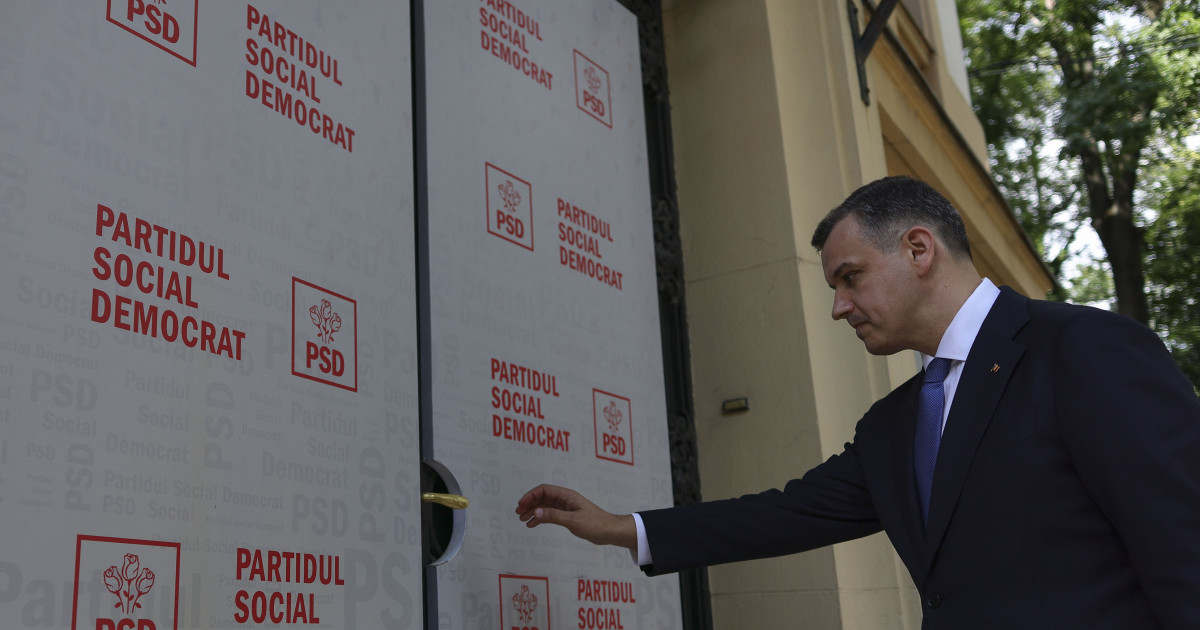
This fiscal caution contrasts with the PSD’s push for relief measures, highlighting a fundamental tension between short-term social priorities and long-term economic stability. The outcome of these negotiations could determine whether Romania meets critical EU funding milestones, including the completion of its Recovery and Resilience Plan (RRP) by August 2026 Antena 3 CNN.
Implications for Political Stability
The negotiations underscore the fragility of Romania’s political landscape, where coalition-building is complicated by deep ideological rifts. The PSD’s conditional support could enable Tomac to form a government, but it may also entrench divisions between pro-European parties and those advocating for more populist policies. Analysts note that a fragmented government risks further polarization, with opposition parties like AUR and the Democratic Party (PD) poised to exploit any perceived weaknesses HotNews.ro.
For the PSD, the stakes are particularly high. The party, which lost the 2024 elections, seeks to reassert its influence through strategic alliance-building. However, its demands risk alienating potential partners, including the PNL, which has historically opposed large-scale tax cuts. The PNL’s stance is rooted in a preference for market-oriented policies, often clashing with the PSD’s emphasis on state-led social welfare. This ideological friction is a recurring theme in Romanian politics, often complicating the formation of stable, long-term coalitions. As Tomac prepares to finalize his cabinet, the coming days will determine whether Romania can avoid a prolonged political stalemate and secure the resources needed to address its economic challenges Agerpres.
The resolution of this crisis will test Romania’s ability to balance immediate social needs with long-term fiscal discipline—a challenge that could define the country’s trajectory in the years to come.
