

here’s a breakdown of the key details from the provided text, focusing on the state of VR (Virtual reality) as of late 2025:
Key Takeaways:
* Quest Headset sales are Declining: While the Meta quest 2 was a major success (over 20 million units sold and considered the first mainstream VR headset), recent Quest headset sales are down for both quarters of 2025 so far. Meta’s Reality Labs revenue increased in Q2 2025, but this was primarily driven by sales of Ray-Ban Meta smart glasses, not Quest headsets.
* Overall VR Usage on PC is Stagnant: Despite the growth of PC gaming the percentage of Steam users using any VR headset on their PC has declined since April 2020. Even after accounting for the large and growing number of Chinese Steam users (who often use VR in gaming cafes where headsets aren’t individually connected), VR usage on Steam remains stagnant over the last five years.
* Standalone VR is Growing: The decline in PC VR usage coincides with a significant increase in standalone VR usage (like the Meta Quest). This suggests that people are shifting towards VR experiences that don’t require a PC.
* China’s Impact on Data: A large portion of Chinese Steam VR usage comes from PC gaming cafes, which skews the data. UploadVR adjusts its data to account for this.
* Reasons for Stagnation are Complex: The reasons for the stagnation of PC VR are debated, but it’s likely a combination of factors related to PC VR itself and the preferences of PC gamers.
In essence, the article paints a picture of a VR market where standalone headsets are thriving, while PC-based VR is struggling to grow and is even declining in usage.
Quest 3 and Quest 3S are now used for SteamVR more than Quest 2, ending the headset’s more than 4-year dominance on Valve’s platform.
On Valve’s Steam Hardware & Software Survey for September, the combined share of “Meta Quest 3” and “Meta Quest 3S” usage is now 34.6%, exceeding the 26.17% of Quest 2.
We put those product names in quotes because SteamVR sees Quest 3S headsets as “Meta Quest 3” when using Meta’s official Quest Link feature and Guy Godin’s Virtual Desktop. As far as we can tell, the “Meta Quest 3S” entry only represents Quest 3S headsets connected using Valve’s official Steam Link.
As such, the most accurate thing we can say here is that the Quest 3 family of headsets were used by 34.6% of SteamVR users in September, making them the most used headset type.
Quest 3 and Quest 3S take the throne from Quest 2, which had held the #1 spot since March 2021, around five months after it launched. That same month, Facebook said that Quest 2 had already outsold all previous Oculus headsets combined, and it went on to sell over 20 million units, becoming the “the first mainstream VR headset”.
Of course, PC VR is only a subset of Quest headset usage, and most buyers use the headsets entirely standalone. And while earlier this year Meta said that the number of active Quest users is higher than it ever been, the company also has reported declining Quest headset sales for both quarters of this year so far. The company is set to report its Q3 results at the end of this month.
As Ray-Ban Meta Sales Skyrocket, Quest Sales Are Down Again
Meta Reality Labs revenue rebounded in Q2, up 5% compared to 2024. But this was driven by the Ray-Ban Meta glasses, while Quest headset sales were again down.

Overall, PC VR Continues To Stagnate
Overall, since Valve started recording any headset used on SteamVR in the past month rather than just currently connected via USB at the time of the survey in April 2020, the percentage of Steam users using a VR headset of any kind on their PC has declined.
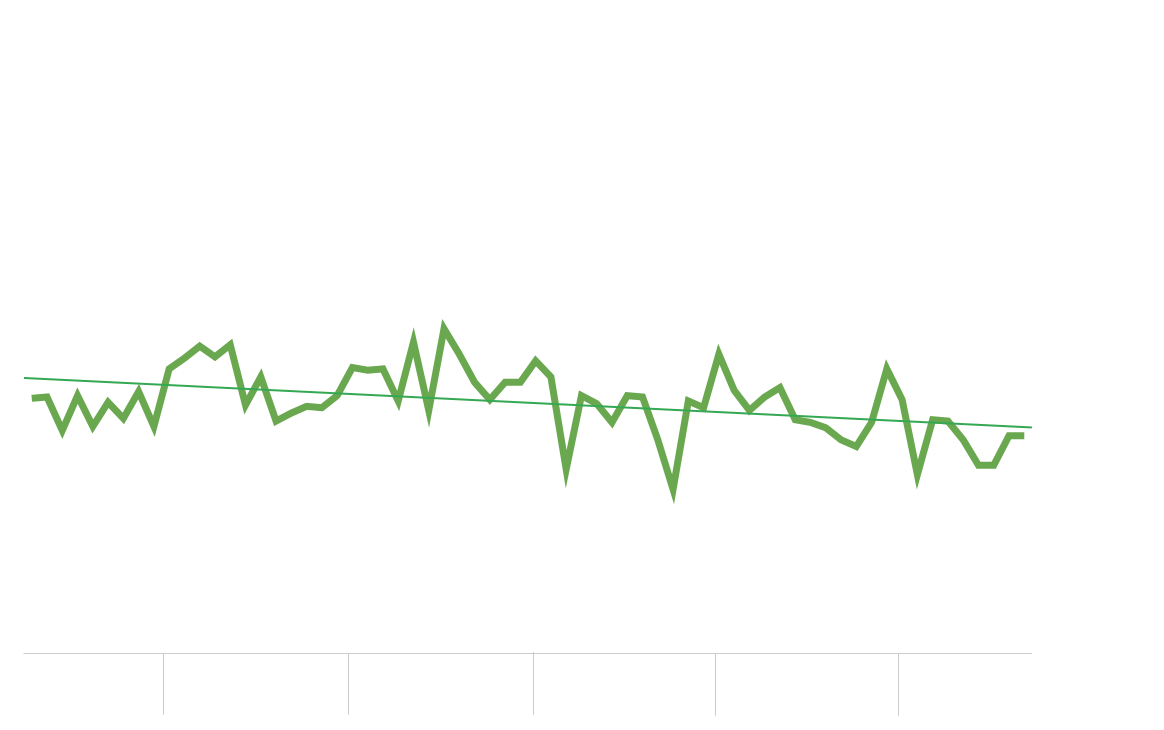
This time period has also seen a massive increase in the number of Chinese Steam users. Headsets like Meta Quest and Valve Index aren’t officially sold in China, and a huge portion of Chinese Steam usage is believed to come from PC gaming cafes, where a headset wouldn’t be connected ever. So at UploadVR we also adjust the data to account for the increase in Chinese Steam users.
But even after doing so, overall VR usage on Steam has remained stagnant over the past five years, relative to the growth of PC gaming in general.
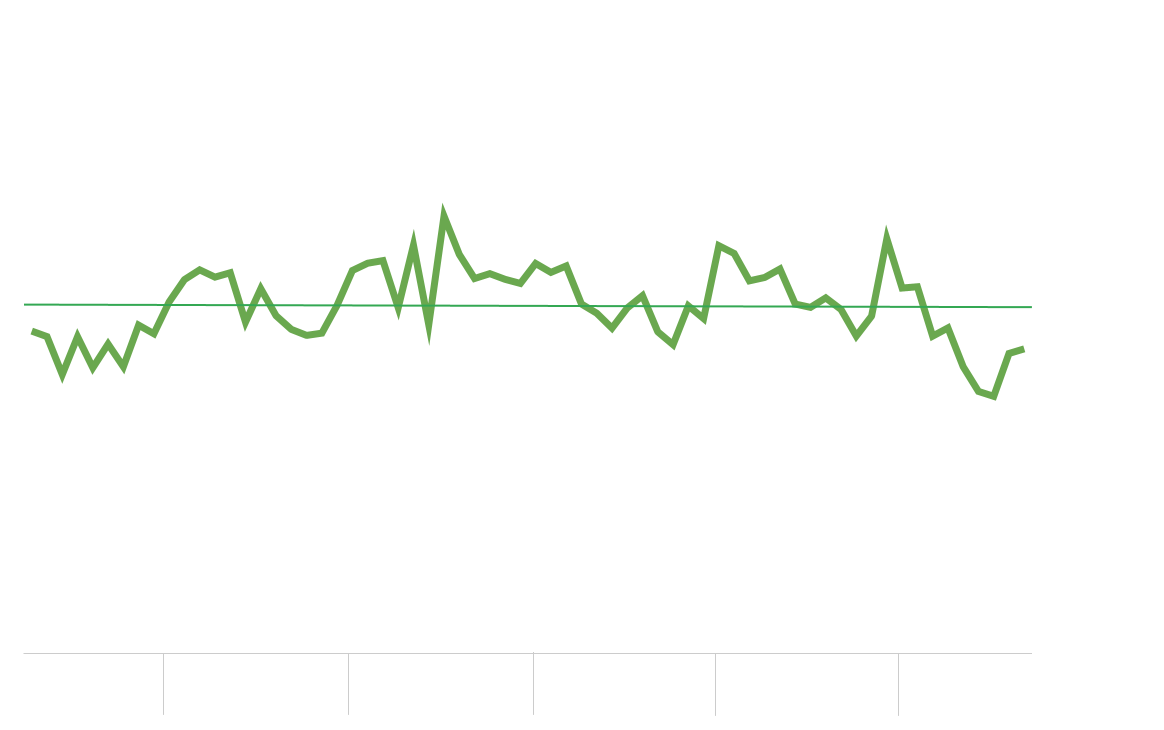
The reasons for this are open to debate, and likely complex, but that it has coincided with a massive increase in standalone VR usage suggests it’s something inherent to PC VR or the habits and desires of PC gamers in general.
‘Steam Frame’ Trademark Registered By Valve: Is This Deckard?
Valve applied for a trademark on the term ‘Steam Frame’. Is this its new headset, codenamed Deckard?

It’s unclear what, if anything, could see SteamVR usage grow in the foreseeable future. Over the past four years Valve has repeatedly confirmed that it’s working on a new headset, strongly hinting that it will have a focus on wireless streaming from your PC, and last month it registered a “Steam Frame” trademark, which references to have been found in SteamVR code. But we don’t yet know when Valve’s next headset might actually arrive, nor what kind of price it will target.
