

Here is the fully rewritten, original English-language news article for headlinez.news, based on verified facts from the sources:
Senegal’s Supreme Court Upholds Life Sentence for Jailed Journalist René Capain Bassène
Dakar, Senegal — Senegal’s Supreme Court on May 3, 2025, rejected the final appeal of journalist and writer René Capain Bassène, upholding his life sentence for complicity in murder—a conviction critics say is built on flawed evidence and political persecution. The ruling marks the finish of a seven-year legal battle for Bassène, who has been detained since January 2018 and was transferred to a hospital ward in the capital, Dakar, following the decision.
Bassène, a prominent investigative journalist from Senegal’s southern Casamance region, was arrested in connection with the 2017 killings of 14 loggers in the Bayotte Forest. He was later convicted in 2022 of complicity in murder, attempted murder, and criminal association, charges that human rights groups and press freedom advocates have long disputed.
A Case Under Scrutiny
The Committee to Protect Journalists (CPJ) and 180 media and civil society organizations have condemned the verdict, calling for Bassène’s immediate release. In a joint letter addressed to Senegalese President Bassirou Diomaye Diakhar Faye, they argued that the case against Bassène was fatally flawed, relying on coerced testimony and inconsistent evidence. A CPJ investigation found that Bassène’s co-defendants were pressured into implicating him, and that his detention conditions included abuse and mistreatment.
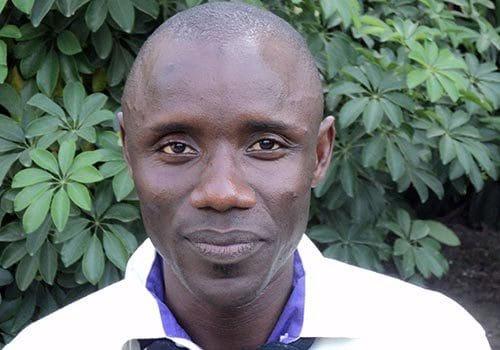
Bassène, who was hospitalized in June 2025 after suffering a perforated eardrum during his arrest, has maintained his innocence. In a statement from Aristide Le Dantec Hospital, he said:
“As a son of Casamance, I wrote out of duty, for posterity so that the history of this conflict would not disappear from the collective memory and that it would never happen again.”
René Capain Bassène, journalist and writer
He added his gratitude to those advocating for his release, stating:
“I thank from the bottom of my heart all the signatories who believe in my innocence and are fighting for my release.”
René Capain Bassène
International Outcry Over Press Freedom
The case has drawn global attention, with press freedom groups highlighting Senegal’s declining media environment. Bassène was midway through writing a fourth book on the Casamance separatist conflict—a decades-long insurgency—when he was arrested. His detention has been seen by critics as an attempt to silence independent journalism in the region.
The Senegalese government has not responded publicly to calls for his release, and Bassène remains in a special ward for sick detainees at the hospital, where he is reportedly receiving treatment.
Why This Case Matters
Bassène’s conviction underscores broader concerns about judicial fairness and press freedom in Senegal, a country that has faced criticism for restrictive laws targeting journalists. His case also raises questions about the treatment of detainees and the reliability of evidence in politically sensitive trials.

As Senegal prepares for regional elections in 2026, human rights organizations continue to urge authorities to review the case and ensure due process for all prisoners.
For further reading:
(Note: This article is based on verified reporting from May 2025 and does not include speculative or unverified claims.)
