
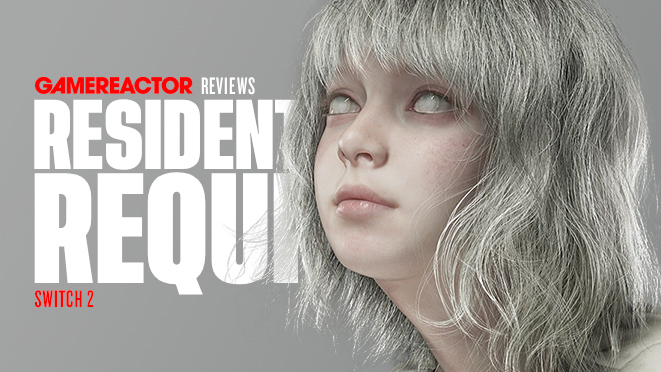
The latest installment in the long-running survival horror franchise, Resident Evil Requiem, delivers a compelling experience for fans, building on the series’ 30-year legacy. A full review of the game is available from Gamereactor.
The game successfully balances elements from previous titles, drawing inspiration from Resident Evil 2, 4 and 7. What stands out is Capcom’s clear understanding of its own established lore and how to leverage it effectively, creating a game that feels both familiar and fresh. This approach isn’t simply a blend of classic and modern game design; it’s a strategic utilization of rules established over three decades of the series.
The original Resident Evil debuted in 1996 for the PlayStation, quickly gaining a dedicated following. Despite challenges in bringing subsequent installments to the Nintendo 64 cartridge format, Capcom cultivated a strong fanbase within the Nintendo community with titles like the groundbreaking Resident Evil Remake, the Resident Evil Zero prequel, and the innovative Resident Evil 4. However, as Nintendo shifted its focus away from raw processing power, Capcom’s releases on Nintendo platforms became less frequent, leaving fans reliant on ports or cloud-based solutions on the original Switch. That changes with the release of Requiem.
This is an advertisement:
Resident Evil Requiem for the Nintendo Switch 2 marks the first time a mainline numbered entry in the series has appeared on a Nintendo console since the days of Resident Evil 4. The game features Leon S. Kennedy on its cover and demonstrates the capabilities of the Switch 2, mirroring the successful ports of Resident Evil: Biohazard (7) and Resident Evil: Village (8). The result is a fully playable and enjoyable experience on the compact and, limited hardware.
Even as compromises are inevitable, the game remains engaging, tense, and responsive. The infamous green grass, like many other elements upon closer inspection, exhibits some clipping. Occasional hitches may occur when entering new areas. Character hair, specifically, doesn’t benefit from the same level of detail as other assets. Backgrounds and props can appear slightly blurry, and the dynamic resolution scaling may be noticeable.
This is an advertisement:
Despite these minor drawbacks, the game delivers a satisfying experience, particularly for those familiar with the Switch 2 or its predecessors, or those who enjoy the flexibility of handheld gaming. A forthcoming comparison of graphics and gameplay will highlight the visual differences between the Switch 2 version and those on other platforms.


The game runs smoothly on the Switch 2 and includes full HDR support, achievements, and customizable surround sound options, features often absent on Nintendo consoles. Subtle stereo vibrations while running with Grace add to the immersion, recalling the experiences on the Wii and 3DS. The game is also remarkably polished and optimized, with few of the bugs and glitches found in earlier releases.
This is an advertisement:
For those who own a Switch 2, or enjoy switching between TV and handheld mode, Resident Evil Requiem is a worthwhile purchase. If visual fidelity isn’t your top priority, this is a serious port that knows where to compromise while maintaining the core experience of the mainline release. It’s a testament to Capcom’s development work and a strong addition to the Nintendo Switch 2’s growing library.


