
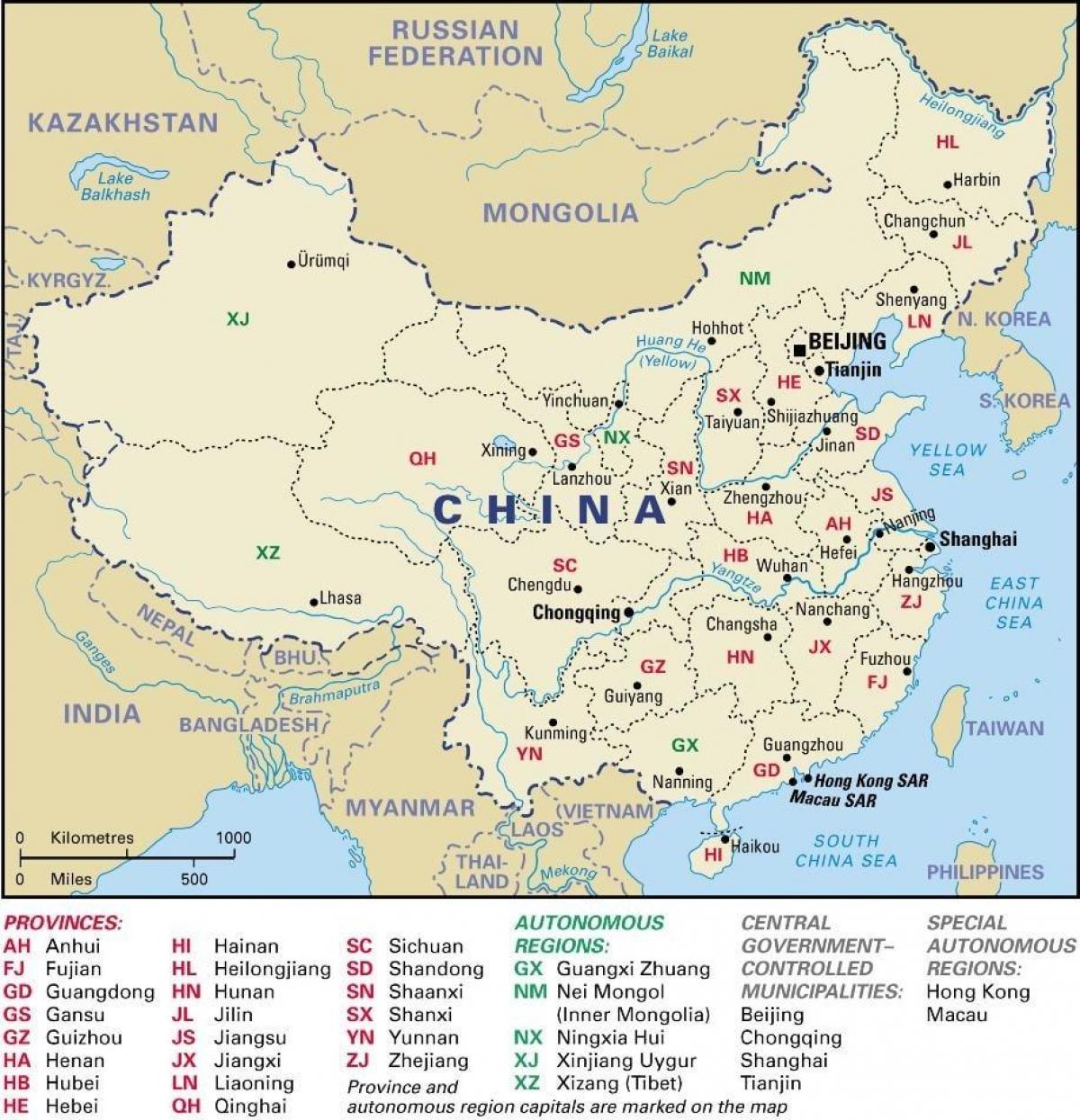
The Chinese government announced on May 15, 2026, that it will waive tariffs on 90% of African exports to China, a policy shift expected to boost trade volumes by up to 25% within two years. The move targets key sectors like textiles, minerals, and agricultural products, with Morocco set to benefit from reduced duties on its phosphate and citrus exports.
China’s Tariff Exemption: A Strategic Boost for African Trade
China’s decision to eliminate tariffs on 90% of African exports marks a significant departure from its long-standing trade policies, which had imposed duties averaging 12-15% on many African goods. The exemption, effective immediately, applies to over 5,000 product categories, including textiles, raw materials, and processed agricultural goods. While the policy does not extend to all African nations—South Africa and Nigeria are among those excluded—it covers major economies like Ethiopia, Kenya, and Morocco, which stand to see immediate gains in market access.
The move comes as China seeks to deepen economic ties with Africa amid shifting global supply chains and competition from the U.S. and EU trade initiatives. Officials from the Chinese Ministry of Commerce confirmed that the exemption is part of a broader strategy to diversify imports and reduce reliance on traditional suppliers. A spokesperson told reporters, This is not charity—it is a calculated step to strengthen mutual economic benefits in a volatile geopolitical environment.
The policy aligns with China’s Belt and Road Initiative (BRI) goals, though it lacks the infrastructure-focused commitments of past BRI projects.
Morocco’s Phosphate and Agricultural Exports Gain Competitive Advantage
Morocco’s Phosphate and Agricultural Edge
Morocco, Africa’s second-largest exporter of phosphate—a critical input for fertilizers—is poised to be one of the biggest beneficiaries. The country’s Office Cherifien des Phosphates (OCP) reported that Chinese tariffs had previously added $300 million annually to Morocco’s export costs. With duties now waived, OCP projects a 15% increase in phosphate shipments to China by 2027, alongside expanded exports of citrus fruits and seafood. Moroccan Minister of Industry, Ryad Mezzour, stated:
This exemption removes a major barrier to our non-energy exports. For Morocco, it’s not just about phosphate—it’s about diversifying our trade basket and reducing vulnerability to commodity price swings.
Ryad Mezzour, Moroccan Minister of Industry
However, analysts warn that Morocco’s gains may be tempered by logistical challenges. While Chinese demand for phosphate remains strong, Morocco’s port infrastructure—particularly in Tangier and Casablanca—faces congestion that could limit the policy’s immediate impact. The Chinese exemption also does not cover Morocco’s automotive or aerospace sectors, where tariffs remain in place.
Divergent African Responses: From Optimism to Criticism
Broader African Implications: Winners and Missed Opportunities
The tariff exemption has sparked mixed reactions across Africa. Ethiopia, a key textile exporter, expects its apparel shipments to China to rise by 20% within a year, according to the Ethiopian Ministry of Trade. Meanwhile, Kenya’s horticulture sector—already a major supplier to Europe—sees the move as a chance to capture additional Chinese demand for flowers and vegetables. For smallholder farmers in Kenya, this could mean higher incomes and better access to Chinese buyers,
said a spokesperson for the Kenya Flower Council.
Yet not all African nations are equally positioned to benefit. South Africa, excluded from the exemption, has criticized the policy as discriminatory, arguing that its mineral and automotive exports face higher Chinese tariffs than those of smaller competitors. The African Union (AU) has called for a unified response, with AU Commissioner for Trade and Industry, Albert Muchanga, urging member states to negotiate collectively to avoid fragmentation in our engagement with China.
The AU’s stance reflects growing concerns that China’s selective exemptions could deepen intra-African trade disparities.
Economists at the African Development Bank (AfDB) project that the tariff waiver could boost African exports to China by $10 billion annually by 2028, but warn that the impact will vary widely. Countries with strong industrial bases—like Morocco and Ethiopia—are likely to see faster growth, while commodity-dependent economies may struggle to diversify beyond raw materials.
China’s Strategic Calculus Behind the Tariff Waiver
China’s Motivations: Geopolitics Over Philanthropy
China’s tariff exemption is not driven by altruism but by strategic interests. With U.S. tariffs on Chinese goods remaining high and EU trade barriers tightening, Beijing is seeking alternative supply chains. The policy also serves as a counter to the U.S. African Growth and Opportunity Act (AGOA), which offers duty-free access to American markets for eligible African goods. A senior researcher at the China Africa Research Initiative (CARI) noted that China is hedging its bets—if AGOA expands, this exemption ensures African producers remain tied to China’s market.
Additionally, the move aligns with China’s efforts to reduce its trade surplus with Africa, which hit $120 billion in 2025. By increasing imports of African manufactured goods and processed commodities, China aims to balance its trade books while maintaining influence over African economies. The exemption also comes as China faces scrutiny over its debt diplomacy in Africa, with some nations—like Zambia and Kenya—struggling under high debt burdens. A more trade-focused approach may help soften perceptions of predatory lending.
What Comes Next: Uncertainties and Opportunities
The immediate impact of China’s tariff exemption will be closely watched, particularly in Morocco, where phosphate exports are a cornerstone of the economy. OCP has already begun negotiating long-term contracts with Chinese fertilizer producers, though finalized deals are expected by mid-2027. Meanwhile, African governments are divided on how to capitalize on the opportunity. Some, like Rwanda and Ghana, are pushing for deeper industrial integration with China, while others advocate for stricter conditions to prevent over-reliance on a single market.
One major uncertainty is whether the exemption will lead to broader Chinese investment in African manufacturing. Past Chinese trade policies have often prioritized imports over local production, leaving African industries underdeveloped. If this exemption follows the same pattern, African nations may see short-term trade gains without long-term industrial growth.
For now, the policy represents a rare bright spot in Africa’s economic outlook. With global trade tensions rising and African exports to Europe facing new regulatory hurdles, China’s move offers a lifeline. Yet the true test will be whether African producers can seize the moment—or whether the exemption becomes just another chapter in China’s selective engagement with the continent.
