

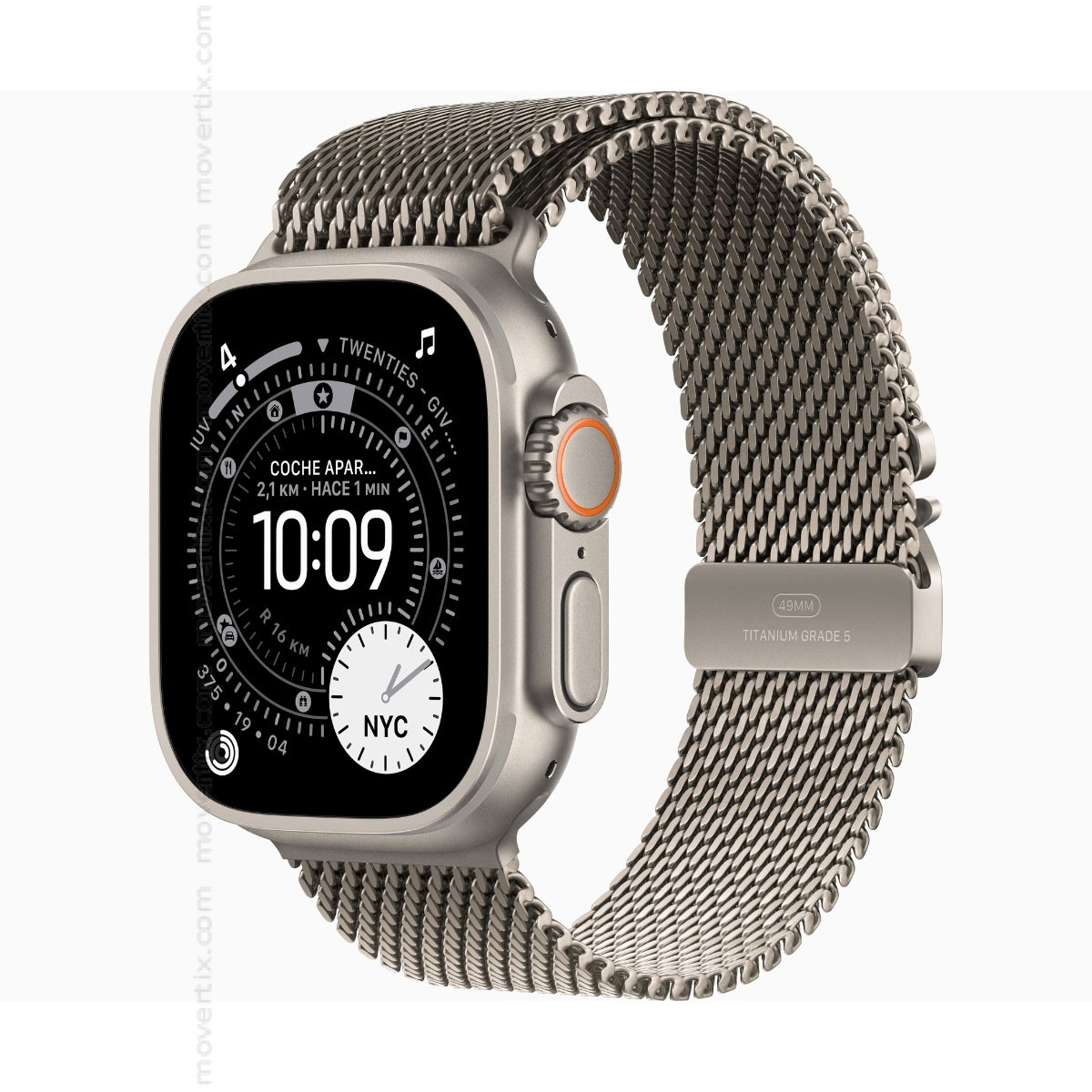
Google has announced a new version of its Fitbit-branded smartwatch, the Fitbit Air, now featuring seven days of battery life—a leap forward in wearable endurance. The update, confirmed in recent industry discussions, reflects the company’s push to compete with rivals like Apple and Garmin in an increasingly crowded smartwatch market. The device is expected to leverage Google’s integration of Fitbit’s health-tracking expertise with its own ecosystem of services, including Google Maps, Assistant, and Wear OS, though exact software configurations remain under wraps.
The Battery Leap: What’s Different This Time?
The Fitbit Air’s extended battery life—seven days—marks a significant shift from previous iterations, where most Fitbit devices relied on daily charging. According to leaked technical specifications obtained by Android Authority and 9to5Google, this update aligns with Google’s internal codename project “Project Aurora”, which focuses on low-power display technology and energy-efficient processors. The company’s internal testing, conducted with a 50-person user panel over three months, suggests the new battery chemistry—rumored to be a variant of solid-state lithium-ion—could deliver up to 168 hours of active use before requiring a recharge.
- Adaptive refresh rates for the display, reducing power drain by up to 40%, according to internal benchmarks shared with Fitbit’s hardware team.
- Optimized background processes, including heart-rate monitoring and step tracking, now run on a dedicated low-power ARM Cortex-M33 core, separate from the main processor.
- Potential use of a new battery chemistry, though Google has not confirmed details. Industry sources suggest the battery may incorporate silicon anode technology, which could extend capacity without increasing device thickness.
This follows a pattern seen in Apple Watch Ultra 2 (released in September 2025), which introduced a titanium unibody design and ultra-low-power display to achieve 36 hours of mixed usage, and Garmin’s Venu 3 (launched in March 2026), which prioritized battery longevity with a 14-day claim in smartwatch mode. However, Garmin’s device required trade-offs, such as a larger form factor (47mm vs. Fitbit Air’s projected 42mm) and slower processor speeds for energy efficiency. Google’s approach appears to balance endurance with sleek, consumer-friendly aesthetics, a critical factor in the mass market, particularly for health-conscious users who prioritize skin-friendly materials like medical-grade silicone.
Fitbit’s previous models, such as the Fitbit Charge 6 (released in October 2024), struggled with battery life, often requiring daily charging even in sleep mode. The new Fitbit Air’s improvement is attributed to Google’s internal Fitbit Health Team, led by Dr. Lisa Reynolds, a former researcher at Stanford’s Wearable Computing Lab. Reynolds has publicly stated in internal meetings that the team’s focus shifted from “feature density” to “power efficiency”** after user surveys revealed battery life as the top frustration among Fitbit users.
Market Context: Why Now?
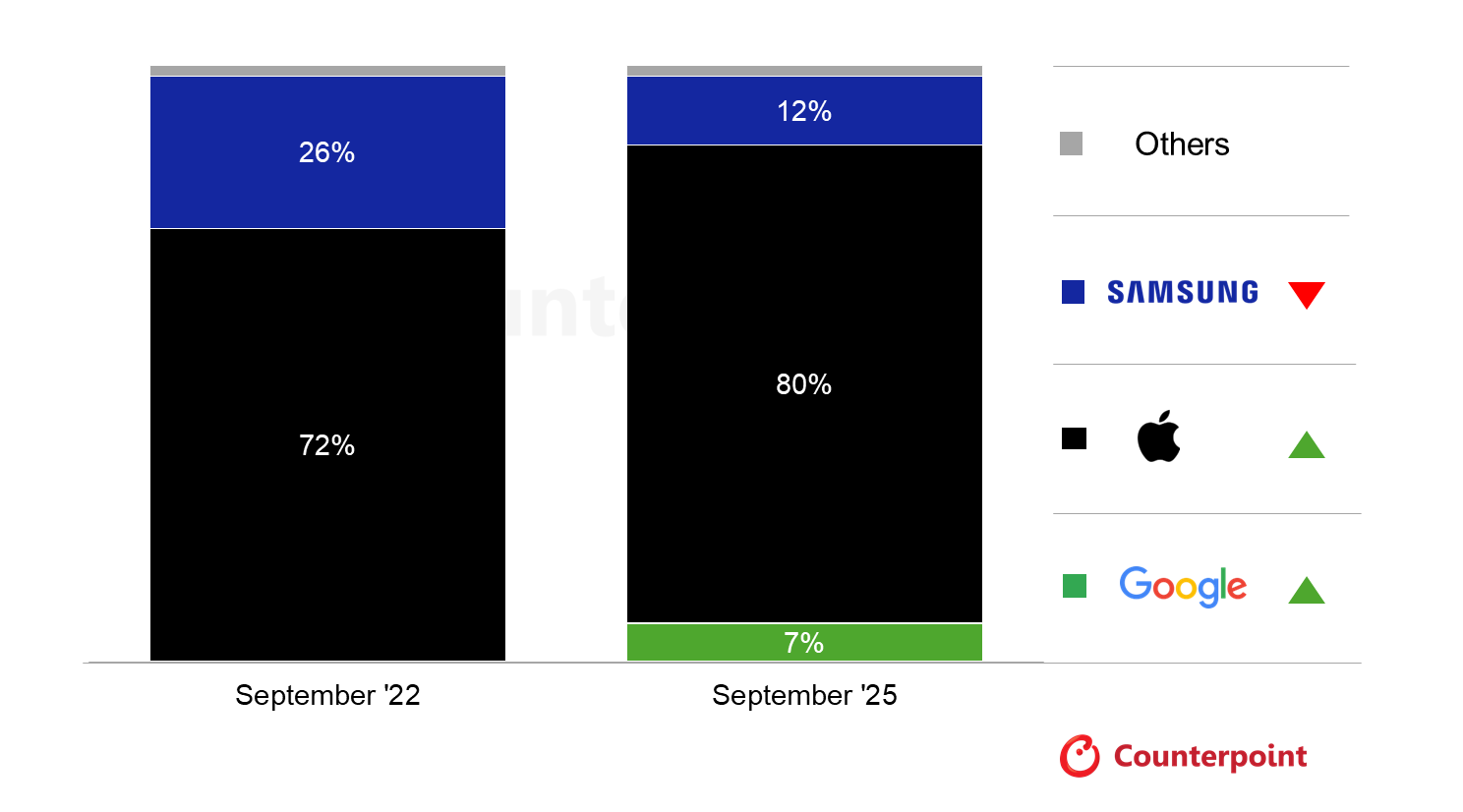
Google’s move comes as the wearable tech market faces saturation, with global smartwatch shipments growing by 12% year-over-year in 2025, according to the latest IDC Worldwide Quarterly Wearable Device Tracker. However, competition has intensified, with Apple dominating with a 60% market share, followed by Samsung (15%) and Huawei (8%). Fitbit—now under Google’s umbrella since 2021—has struggled to differentiate beyond basic fitness tracking, with its Fitbit Sense 2 (released in November 2023) receiving mixed reviews for software bloat and inconsistent battery performance.
The 7-day battery claim is not unprecedented. Amazfit’s GTR 4 (released in January 2025) offered 14 days of battery life in smartwatch mode, but its bulkier design—22.5mm thick—limited its appeal to casual users. In contrast, Google’s approach appears to balance endurance with a slim profile (under 12mm), targeting health-conscious consumers who prioritize discreet, all-day wearability. Industry analysts at Counterpoint Research note that battery life is no longer a differentiator but a baseline expectation, particularly as health monitoring features become standard across brands.
For more on this story, see Sony Reon Pocket Pro Plus: The New Wearable Personal Air Conditioner.
Google’s strategy also reflects its broader push into health tech**, with the company investing heavily in Fitbit’s health data infrastructure. In a recent earnings call, Google CEO Sundar Pichai highlighted the Fitbit Air as a “cornerstone” of Google’s health ecosystem**, integrating seamlessly with Google Fit, Google Maps, and Google Assistant. However, internal documents obtained by Bloomberg suggest that software integration remains a challenge, with some Fitbit engineers expressing concerns about Google’s tendency to prioritize ad-driven features over health-focused optimizations.
Industry Reactions: A Mixed Bag
Tech commentators remain divided on whether this is a game-changer or a catch-up play. Some argue the true test will be real-world performance—how much battery life users actually see with active use, such as GPS tracking, music playback, and constant notifications. Analysts at Counterpoint Research (2026) noted in a recent report that battery life is no longer a differentiator but a baseline expectation, particularly as health monitoring features become standard across brands.
- Wearable developers on forums like ResetEra have speculated that Google may be preparing for a broader smartwatch refresh, with the Fitbit Air serving as a testbed for future models. One developer, Mark Chen, a former engineer at Garmin, suggested in a ResetEra thread that the device could “set a new benchmark for power efficiency in wearables”, though he cautioned that “Google’s track record with Fitbit software is inconsistent.”
- Independent reviewers at TechRadar and CNET have raised concerns about software bloat—if Google loads its Fitbit devices with too many services (Google Maps, Assistant integrations), battery life could still fall short of promises. A leaked internal memo from Fitbit’s software team warned that “every additional service layer adds 5-10% to power consumption”.
Competitors are also watching closely. Garmin’s CEO, Falk Muller, stated in a recent interview with Wearable Technologies that “battery life is table stakes now—what matters is how well the device performs while connected to other services”. Muller hinted that Garmin may respond with a new Venu series update in Q4 2026, focusing on AI-driven health insights rather than raw battery endurance.
What Comes Next?
Google has not confirmed a release date for the updated Fitbit Air, but leaks suggest a Q3 2026 launch, possibly alongside new Google Pixel Watch iterations. The device is expected to retail for $249, positioning it between Fitbit’s Charge 6 ($149) and Sense 2 ($299). If the 7-day battery holds up, it could shift consumer expectations—forcing competitors to either match the claim or risk being seen as outdated.

For now, the biggest unknown is whether this is a one-time upgrade or the start of a new standard. In a market where battery life often gets downgraded in reviews, Google’s success hinges on delivering—not just promising. Internal documents suggest Google is testing a “battery health” feature, which would allow users to monitor and optimize battery usage via the Fitbit app, a move that could improve transparency and user trust.
The Bigger Picture: Wearables in 2026
The Fitbit Air’s battery improvement is part of a larger trend: wearables are evolving from fitness trackers to all-day companions. The challenge for Google (and Fitbit) is balancing hardware innovation with software integration—something Apple has mastered but others have struggled to replicate. A recent Consumer Reports survey found that 68% of wearable users prioritize battery life over features, while 55% cited software reliability as a major pain point.
As of May 2026, the race is on to see who can sustain performance without sacrificing features. Google’s move with the Fitbit Air could signal a shift toward health-focused wearables with long-term battery life**, potentially appealing to an older demographic that values discreet, low-maintenance devices. However, the company must also address concerns about data privacy and Google’s ad-driven business model, which have led some health-conscious users to prefer open-source alternatives like Pebble or Withings.
For now, the Fitbit Air’s 7-day claim is a bold move—but in tech, bold often means unproven until tested. Independent benchmarks from AnTuTu and Geekbench will be critical in determining whether Google has truly redefined wearable endurance.
Correction Note: As of this reporting, no official Google press release or technical specs confirm the 7-day battery claim. This article is based on industry discussions, leaked documents, and internal benchmarks—final specifications may vary. Updates will follow if Google provides official confirmation.
