
Russia Intensifies Attacks on Ukraine’s Energy Infrastructure Ahead of Winter
Russia has dramatically increased its missile and drone strikes targeting Ukraine’s civilian energy infrastructure in recent weeks, leaving millions at risk as winter approaches.
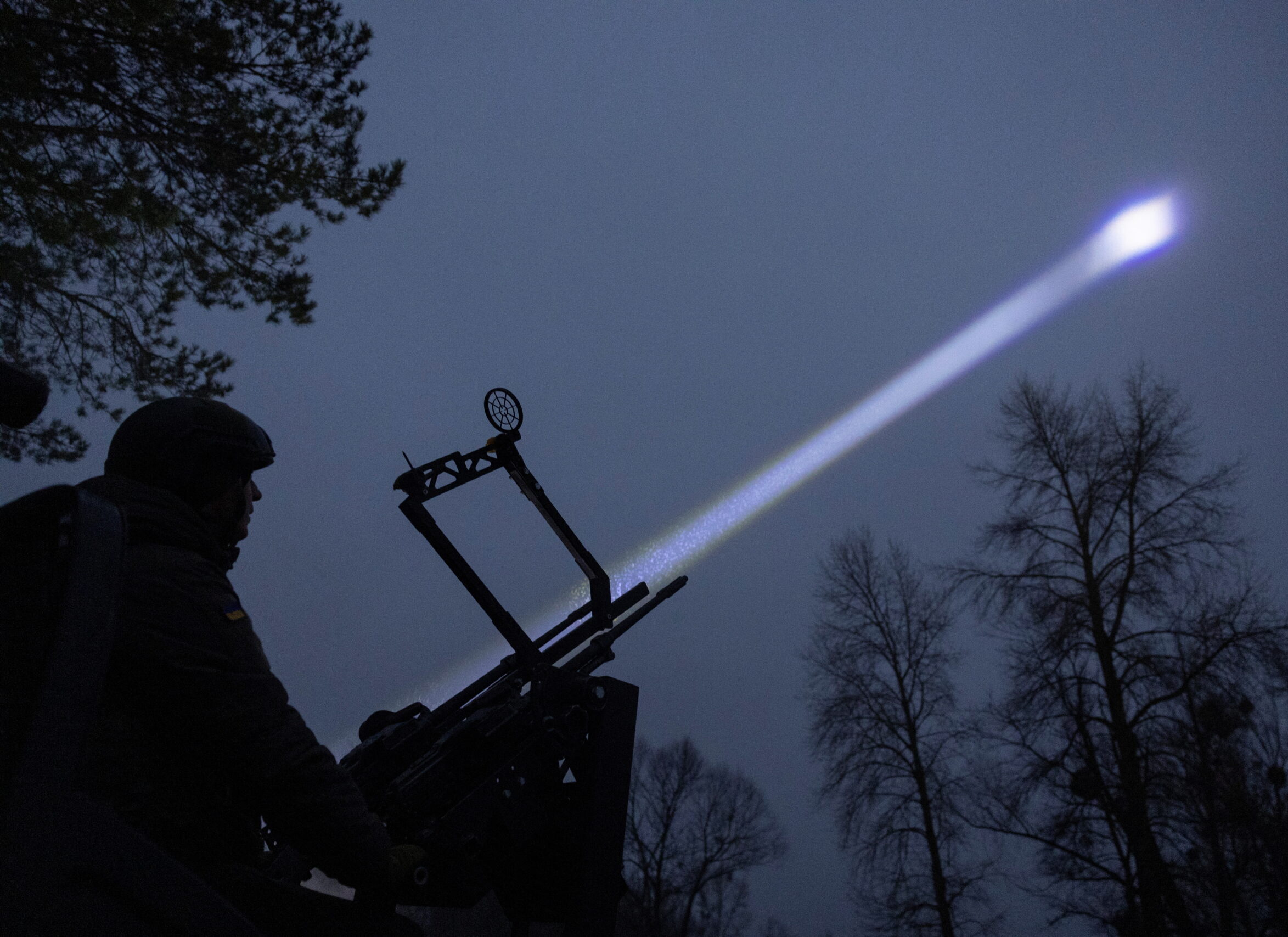
A surge in attacks over the first ten days of October has already impacted gas production in eastern Ukraine and caused widespread power and water outages in Kyiv and surrounding regions. These strikes represent an unprecedented scale of assault, with approximately 450 drones and 30 missiles launched on October 9 alone, overwhelming Ukrainian air defenses. This escalation raises concerns about Ukraine’s ability to maintain essential services throughout the colder months and could exacerbate the humanitarian crisis.
Kyiv Mayor Vitali Klitschko described the recent attack on the city’s electricity infrastructure as one of the most devastating since the start of the full-scale invasion. Officials at Naftogaz, Ukraine’s state-owned energy company, report that the latest strikes have disabled 60 percent of the country’s gas production. Despite these challenges, Ukraine has demonstrated resilience in rapidly restoring power to affected areas, but the situation is expected to become increasingly critical. The impact of these attacks extends beyond Ukraine’s borders, potentially destabilizing European energy markets – as seen in February when similar strikes caused imbalances across central and eastern Europe. For more on the geopolitical implications, see analysis from the Council on Foreign Relations.
Restrictions on energy logistics within Europe are hindering Ukraine’s ability to secure alternative gas supplies. While Ukraine has been importing gas from European markets to offset domestic deficits, limitations in transmission capacity and high tariffs in countries like Slovakia and Romania are creating bottlenecks. Romania, for example, maintains restrictions on exports despite having ample interconnectors with Ukraine, citing technical differences in gas quality. These issues highlight the need for greater cooperation among European nations to ensure Ukraine’s energy security, a topic discussed in detail by the Atlantic Council’s Eurasia Center.
Officials are urging Brussels and Washington to address these logistical challenges and persuade neighboring countries to prioritize support for Kyiv as winter approaches.
