
RIYADH — Saudi Arabia has completed the delivery of thousands of housing units to eligible families across the kingdom, fulfilling a directive from Crown Prince Mohammed bin Salman to accelerate housing support for low-income citizens, officials announced Tuesday.
The Ministry of Municipal and Rural Affairs and Housing confirmed that all designated units under the initiative have now been handed over to beneficiaries, marking the conclusion of a year-long effort to address housing shortages. The project was funded by a personal donation of 1 billion Saudi riyals ($266 million) from the Crown Prince to the “Jood Housing” platform, a government-backed program aimed at providing affordable homes to Saudi families in require.
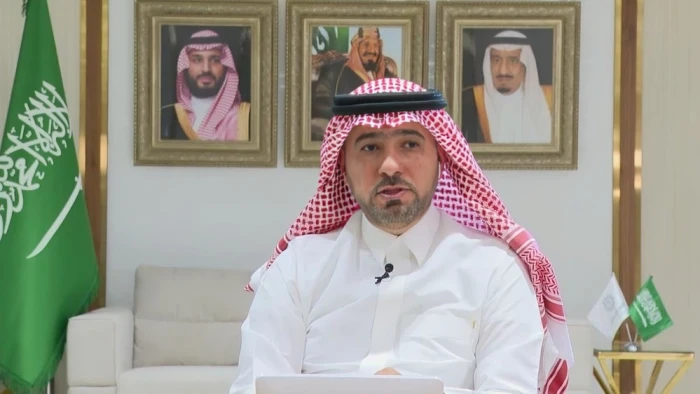
“This achievement reflects the leadership’s commitment to improving living standards and ensuring housing security for all citizens,” said Majed Al-Hogail, Minister of Municipal and Rural Affairs and Housing. While the ministry did not disclose the exact number of families who received homes, officials described the initiative as one of the largest rapid housing distributions in the kingdom’s history.
The announcement comes as Saudi Arabia continues to expand its social housing programs, part of broader economic reforms under Vision 2030. Housing affordability has been a persistent challenge in the kingdom, with demand outpacing supply in major cities like Riyadh, Jeddah, and Dammam. The Crown Prince’s direct involvement in funding the project underscored its priority within the government’s social development agenda.
Families selected for the program were identified through a national database of housing applicants, with priority given to low-income households, widows, and individuals with disabilities. The units, located in various regions, were constructed under strict timelines to meet the one-year completion target set by the Crown Prince.
“This is not just about providing shelter—it’s about dignity and stability for Saudi families,” Al-Hogail added. “The speed of delivery demonstrates what can be achieved when resources are aligned with clear leadership directives.”
The Jood Housing platform, launched in 2020, has develop into a cornerstone of the kingdom’s efforts to reduce waiting times for subsidized housing. Before the Crown Prince’s donation, the program relied primarily on government funding and public-private partnerships. The injection of private funds allowed for an accelerated rollout, bypassing bureaucratic delays that had previously slowed similar initiatives.
While the ministry has not released a detailed breakdown of where the units were distributed, early reports suggest a focus on regions with the highest demand. The move is expected to have ripple effects on local economies, as new homeowners invest in furnishings, utilities, and community infrastructure.
For many Saudi families, homeownership remains a key milestone, often tied to marriage, financial independence, and social status. The government’s push to expand housing access aligns with its broader goals of increasing homeownership rates from 60% to 70% by 2030, a target outlined in the Vision 2030 reform plan.
The completion of this phase does not signal the end of the program. Officials indicated that additional funding and land allocations are already in place to continue expanding housing support in the coming years. The success of the initiative may likewise serve as a model for future public-private collaborations in social welfare projects.
As Saudi Arabia continues to diversify its economy and invest in human capital, housing remains a critical pillar of its development strategy. The rapid delivery of these units offers a tangible example of how targeted leadership interventions can address long-standing social challenges.
