

Scientists confirm discovery of massive subglacial structure under Antarctica, published in Nature Geoscience
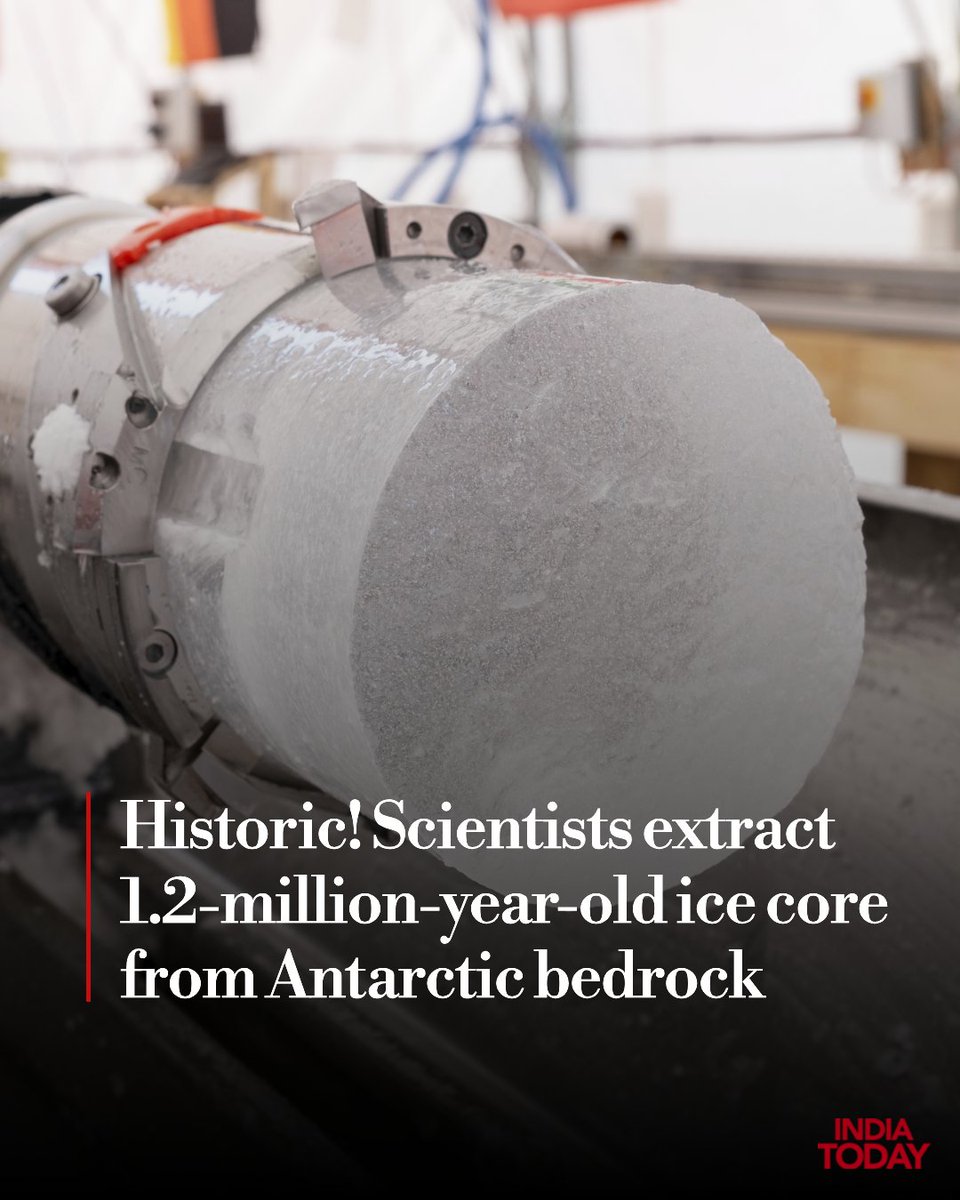
An international team of researchers has identified a vast subglacial geological formation beneath the Antarctic ice sheet, according to Diario AS. The structure, located more than 3,000 meters below the surface, was described as a “capsula del tiempo” (time capsule) dating back 1.2 million years. The findings, published in Nature Geoscience, reveal a previously unknown network of interconnected basins forming a fan-shaped pattern.
Discovery of the Subglacial Structure
The study, led by an international consortium of geologists, combined data from ice-penetrating radar, magnetic surveys, and gravitational measurements to map the structure. Researchers identified over 30 deep basins radiating from a central point near the South Pole, stretching thousands of kilometers. The team named the formation the “Provincia de Cuencas en Abanico de la Antártida Oriental” (Eastern Antarctic Fan Basin Province).

“The structure represents one of the largest examples of crustal extension ever recorded,” said the study, published in Nature Geoscience. The basins, formed through rotational extension of the Earth’s crust, predate the breakup of the ancient supercontinent Gondwana. This process involved the stretching and fracturing of the crust, creating the fan-like configuration observed today.
Formation and Significance
The research challenges previous assumptions about the Antarctic bedrock, which had been studied in isolated sections such as the Wilkes Basin and Lake Vostok. By integrating multiple data sources, the team demonstrated that these features are part of a single, interconnected system. The findings provide new insights into the tectonic history of the region, linking its geological evolution to the broader dynamics of plate movement.
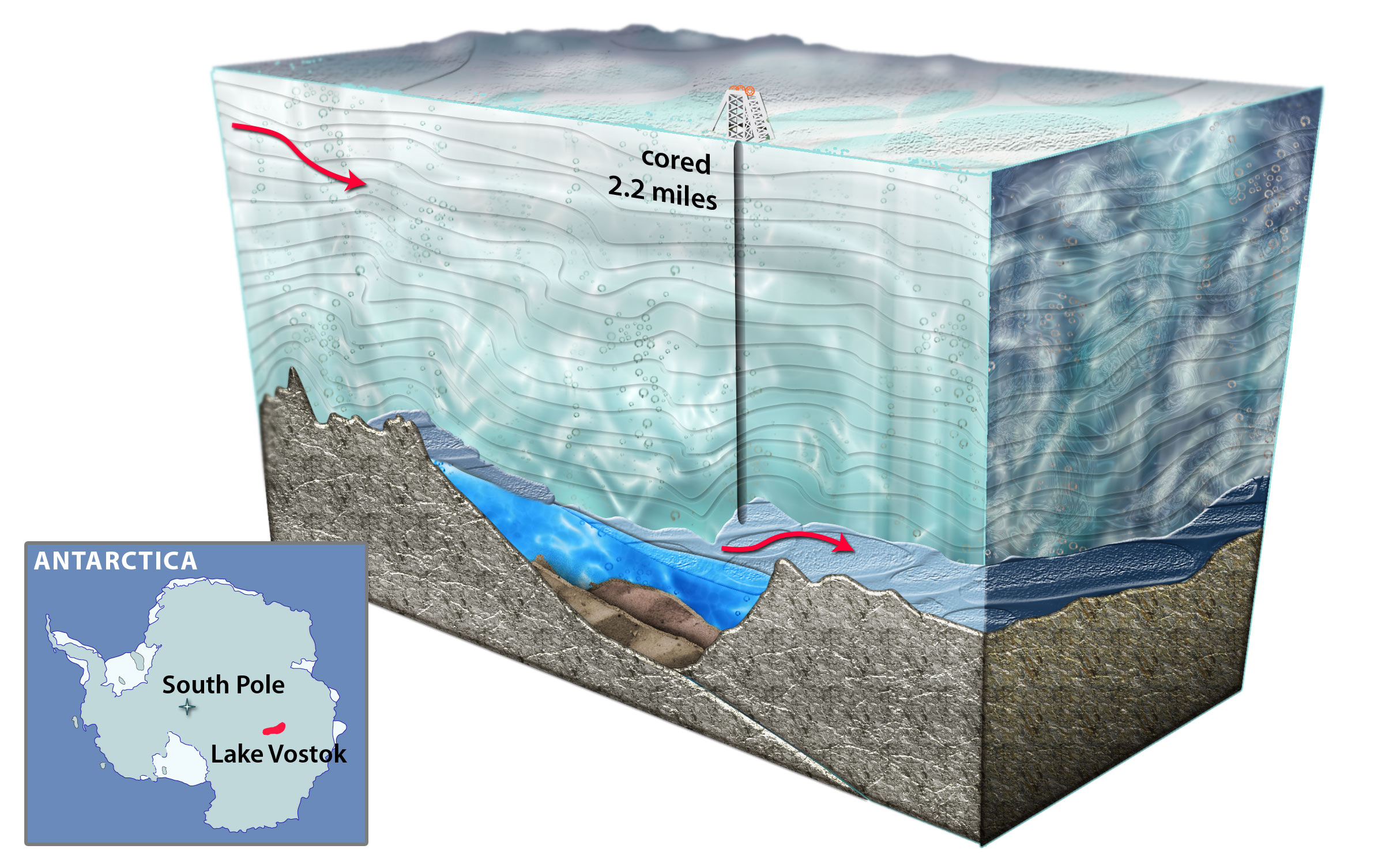
The structure’s age—1.2 million years—suggests it has remained largely undisturbed by glacial activity. This stability makes it a critical site for studying Earth’s climatic history. “Understanding how these basins interact with the overlying ice sheet could improve models predicting Antarctic ice loss under global warming,” the study noted.
Geological Context and Geophysical Methodology
Mapping the Antarctic interior remains one of the most significant logistical challenges in modern geology. Because approximately 98% of the continent is covered by an ice sheet that reaches thicknesses of up to 4,800 meters, researchers cannot rely on traditional surface mapping techniques. Instead, the consortium utilized airborne and satellite-based remote sensing. Ice-penetrating radar works by sending electromagnetic pulses through the ice; these waves reflect off the boundary between the ice and the underlying bedrock, allowing scientists to calculate ice thickness and detect topographic variations in the terrain below.
Gravitational and magnetic surveys supplement these radar readings by providing data on the density and composition of the crust. Variations in the Earth’s gravitational field—measured with extreme precision—often indicate changes in the depth of the bedrock or the presence of dense, buried geological structures. By reconciling these diverse datasets, the team was able to construct a three-dimensional model of the Eastern Antarctic Fan Basin Province, revealing the rotational extension that shaped the crust long before the continent transitioned into its current polar state.
Implications for Climate Change Research
The discovery has direct relevance to climate science. By analyzing the interplay between the subglacial basins and the ice sheet, scientists aim to refine projections of sea level rise. The interconnected nature of the basins may influence how ice flows and responds to temperature changes, according to the research.
The significance of this structure lies in its potential to influence the “basal sliding” of the Antarctic ice sheet. The topography of the bedrock acts as a primary control on how fast glaciers move toward the ocean. Deep, interconnected basins can act as channels for subglacial water, which lubricates the base of the ice, potentially accelerating its movement. As global temperatures fluctuate, understanding whether these specific basins facilitate or impede such flow is essential for determining the sensitivity of the East Antarctic Ice Sheet to oceanic and atmospheric warming. Current climate models often rely on generalized representations of the bedrock; this discovery provides the specific, high-resolution data necessary to improve those simulations.
Interdisciplinary Exploration
The study also highlights the importance of interdisciplinary approaches in polar science. Combining geophysical techniques allowed researchers to visualize features hidden beneath kilometers of ice, offering a blueprint for future exploration of other subglacial regions. The integration of geological history with glaciological current-state modeling represents a shift in how researchers approach the Antarctic continent, treating it as a dynamic system rather than a static, frozen landscape.
Next Steps
While the current findings focus on the structure’s geological origins, the team plans to investigate its role in modern ice dynamics. Field campaigns involving drilling and long-term monitoring are expected to follow, pending funding and logistical support.
The research underscores the Antarctic continent’s continued potential to yield groundbreaking discoveries, bridging ancient geological processes with contemporary environmental challenges. Future efforts will likely focus on extracting sediment cores from these basins, which could contain biological and chemical records of the continent’s past environments, further clarifying the timeline of the Antarctic climate transition.
Find more reporting in our Tech section.
