
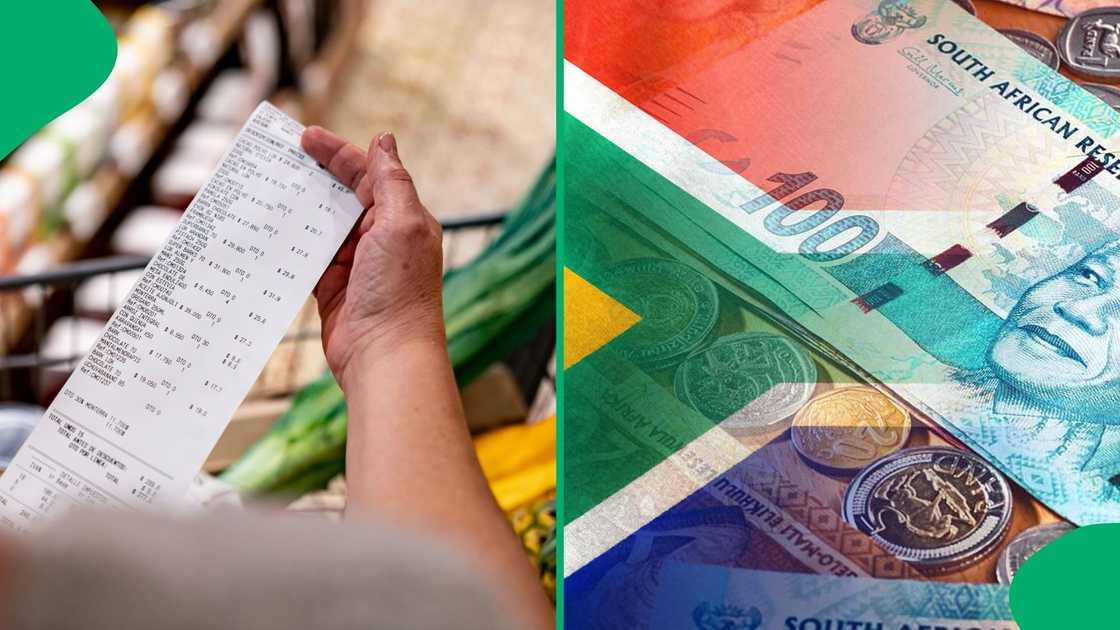
South Africans could reduce winter heating costs by more than R1,000 monthly through government-subsidized efficiency programs, according to a 2026 Energy Efficiency Strategy report. This initiative comes as the national power grid continues to face significant pressure, forcing a structural shift in how residential energy consumption is managed across the country.
Government Subsidy Programs Drive Cost Reductions
Government Subsidy Programs Drive Cost Reductions
The Department of Energy’s 2026 Efficiency Strategy, released on May 30, 2026, outlines targeted subsidies for low-income households to replace electric heaters with solar-powered alternatives. “Households qualifying for the program saw an average 35% reduction in heating costs,” the report states. Eligibility requires proof of income below R12,000 monthly and residence in provinces with high energy tariffs, including Gauteng and Western Cape. These regions, which house the country’s largest urban centers, have historically faced the most frequent implementation of rotational power cuts, making the transition to solar-powered thermal solutions a key priority for the Department of Mineral Resources and Energy’s (DMRE) long-term planning.
Energy-Efficient Appliances Offer Immediate Savings
Energy-Efficient Appliances Offer Immediate Savings
A May 2026 study by the South African Institute of Electrical Engineers (SAIEE) found that replacing traditional electric heaters with heat pumps could cut winter energy bills by up to R1,200 per month. “Heat pumps are 200% more efficient than conventional heaters,” said Dr. Lindiwe Mkhize, SAIEE research director. The study highlights a government rebate program for appliances rated A++ or higher, effective since January 2026. This rebate is part of a broader regulatory push to align South African appliance standards with international benchmarks, effectively discouraging the retail of low-efficiency resistive heating units that have contributed to peak-load spikes during the winter months.
Insulation and Maintenance Tips Reduce Demand
Insulation and Maintenance Tips Reduce Demand
The National Energy Regulator of South Africa (NERSA) advises sealing windows and doors to prevent heat loss, a measure that could lower heating needs by 15-20%. “Simple fixes like weatherstripping reduce reliance on heating systems,” said NERSA spokesperson Sipho Dlamini. The regulator also recommends annual boiler maintenance to ensure optimal efficiency, citing a 2025 audit that found 30% of households experienced reduced performance due to neglected upkeep. NERSA’s role in this strategy is to monitor the cumulative impact of these efficiency gains on the national grid, as reduced residential demand helps stabilize the system during periods of high strain.
For more on this story, see Sizekhaya revives South Africa’s National Lottery with 8-year tech-driven overhaul.
Community Initiatives Expand Access to Solutions
Community Initiatives Expand Access to Solutions
Nonprofit organization Power for All, in partnership with local municipalities, launched a 2026 pilot project to install solar heaters in 500 low-income homes. “Our goal is to demonstrate scalable solutions for energy poverty,” said CEO Thandiwe Mbeki. The project, funded by a R20 million grant from the Department of Mineral Resources and Energy, targets areas with frequent load-shedding. By focusing on low-income housing, the initiative seeks to alleviate the disproportionate financial burden that rising electricity tariffs place on the most vulnerable sectors of society, while simultaneously reducing the base-load demand on the national utility, Eskom.

The Broader Regulatory Landscape
The transition toward energy efficiency is not merely a localized effort but is rooted in the government’s commitment to the Integrated Resource Plan (IRP). The IRP serves as the primary roadmap for South Africa’s energy mix, detailing the transition from coal-heavy power generation toward a more diversified portfolio, including renewables and demand-side management. The 2026 Strategy acts as a tactical layer of the IRP, focusing specifically on the “demand-side” of the equation. By incentivizing consumers to reduce their consumption, the government aims to defer the need for large-scale, capital-intensive infrastructure projects that are often subject to long procurement cycles and construction delays.
What Comes Next?
The Energy Efficiency Strategy includes plans to expand subsidies to 500,000 households by 2027, pending parliamentary approval. This expansion is contingent upon the successful completion of the current audit of the pilot projects and the availability of funds within the national budget. Meanwhile, consumer advocates warn that eligibility criteria may exclude many vulnerable households. “The focus should be on universal access, not just targeted relief,” said Noma Khumalo of the South African Consumer Union. The debate over whether to prioritize deep subsidies for a smaller cohort or broader, shallow incentives for the general public remains a point of contention within the Parliamentary Portfolio Committee on Energy.
The Department of Energy’s 2026 report, “Energy Efficiency Strategy: Implementation Plan,” and the SAIEE’s May 2026 study, “Heating Efficiency in South African Households,” provided the primary data. As the winter season progresses, stakeholders will be monitoring the effectiveness of these rebates to determine if the 2027 targets for household adoption remain feasible under current economic conditions.
Find more reporting in our Business section.
