
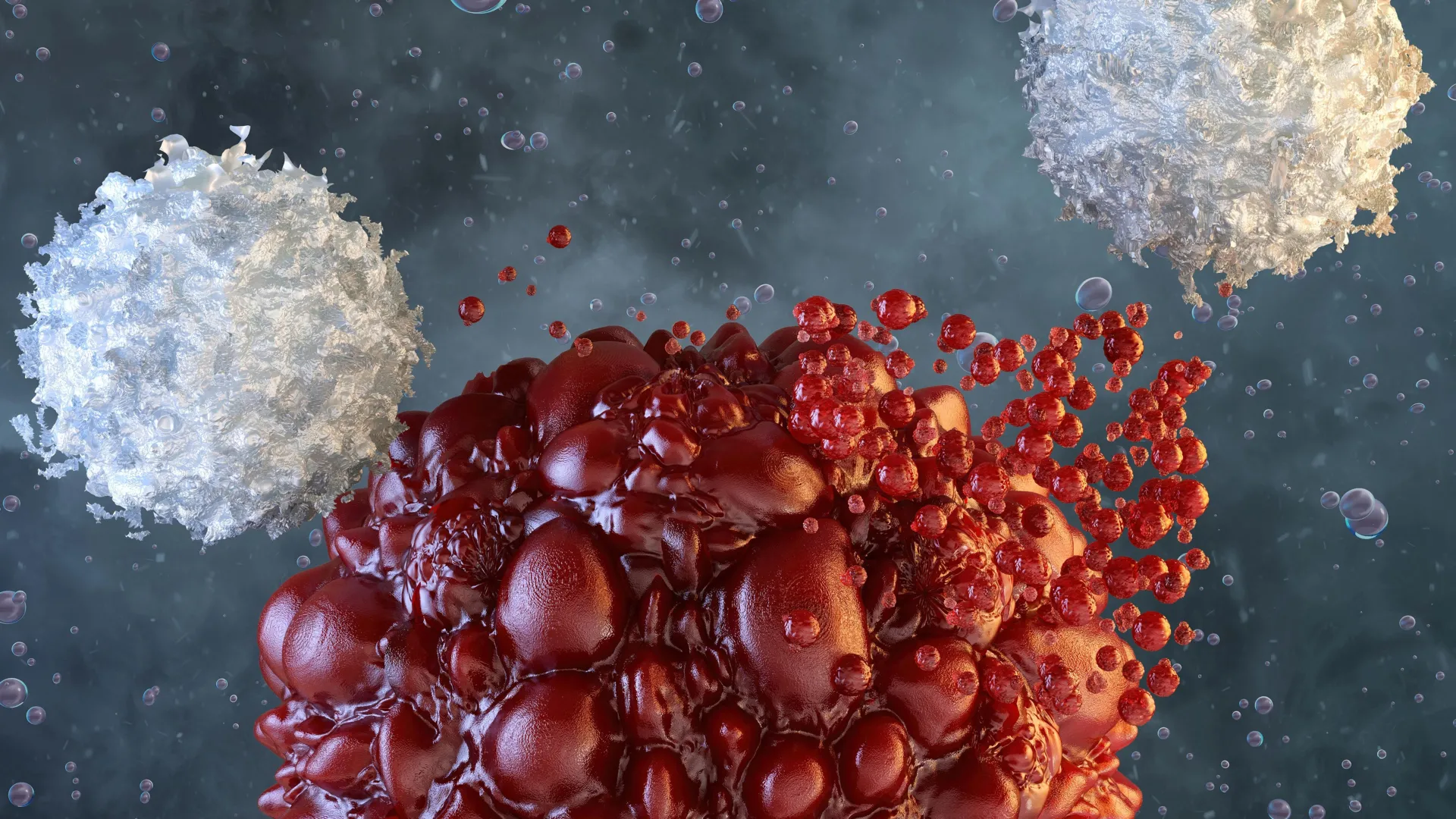
Scientists at McGill University have developed a reversible method to supercharge natural killer (NK) cells, turning them into a potent weapon against some of the most aggressive cancers—including leukemia, glioblastoma, and triple-negative breast cancer. The breakthrough, published this week, avoids the risks of permanent genetic modification by using small-molecule drugs to temporarily enhance NK cell activity, making the treatment faster, safer, and more affordable than existing immunotherapies.
How the Treatment Works: Blocking Proteins, Not Genes
The team at McGill’s Rosalind & Morris Goodman Cancer Institute discovered that blocking two specific proteins dramatically improves NK cells’ ability to attack cancer. Unlike CRISPR-based therapies or CAR-T cells—which require permanent genetic engineering—the new approach uses small-molecule drugs to temporarily boost NK cell function. This reversibility is a game-changer: if side effects occur, the effect can be undone, reducing long-term risks.

“This approach is particularly promising for patients who currently have very few options, when standard treatments have failed,” said Michel L. Tremblay, Distinguished James McGill Professor and senior author of the study. The method also sidesteps the logistical nightmare of customizing therapies for each patient. Instead of harvesting and engineering a patient’s own cells—a process that can take weeks and cost tens of thousands of dollars—the McGill researchers used donated umbilical cord blood cells, which can be stored and deployed immediately.
“These NK cells can be ready to use immediately.
Why This Could Outpace Existing Immunotherapies
The biggest hurdle for cell-based cancer treatments has always been scalability. CAR-T therapy, for example, requires extracting a patient’s T cells, genetically modifying them, and growing them in a lab—a process that takes weeks and is prohibitively expensive for many. The McGill approach bypasses this entirely. By using off-the-shelf NK cells from umbilical cord blood and activating them with drugs, the therapy could be administered within days, not months.
Cost is another critical factor. A single round of CAR-T therapy can exceed $400,000, putting it out of reach for most healthcare systems. The McGill method, however, relies on existing drugs and pre-stored cells, potentially slashing costs by 90% or more. “This approach will make immunotherapy at McGill University Health Centre faster, safer, and more affordable,” said Chu-Han Feng, a research scientist at the institute.
Preclinical Success: Which Cancers Could Benefit?
In lab tests, the enhanced NK cells successfully killed human cancer cells from leukemia, glioblastoma, kidney cancer, and triple-negative breast cancer—all cancers with few effective treatments. Animal studies further showed the therapy significantly slowed tumor growth without the severe side effects seen in some genetic-engineering approaches.

Triple-negative breast cancer, in particular, is a prime candidate. It lacks receptors for common targeted therapies like Herceptin or Tamoxifen, leaving chemotherapy as the only option for many patients. If the McGill method proves effective in human trials, it could offer a much-needed alternative.
What’s Next: Human Trials and Industry Interest
The next step is clinical trials, which could begin as early as late 2026. If successful, the therapy might enter the market within five years—a rapid timeline for an immunotherapy breakthrough. The reversibility of the treatment could also attract pharmaceutical companies looking to avoid the regulatory and ethical pitfalls of permanent genetic modification.
Industry observers note that the McGill approach aligns with a broader shift in oncology toward off-the-shelf immunotherapies. Companies like Celldex Therapeutics and Allogene are already developing similar NK-cell therapies, but McGill’s reversible drug-based method could give it a competitive edge.
Broader Implications: Could This Redefine Cancer Treatment?
The McGill breakthrough isn’t just about treating cancer—it could reshape how we think about immunotherapy entirely. By proving that temporary, drug-induced activation of NK cells works as well as genetic engineering, the research challenges the assumption that permanent cell modification is necessary for effectiveness. This opens the door to safer, more accessible treatments for patients who can’t afford or tolerate current options.
For low-income countries, where advanced immunotherapies are rarely available, this could be a game-changer. The McGill method’s reliance on donated cells and existing drugs means it could be deployed in resource-limited settings without the need for high-tech labs or expensive infrastructure.
Expert Reactions: Cautious Optimism
While the results are promising, experts emphasize that preclinical success doesn’t guarantee human efficacy. “This is an exciting step, but we’ll need to see how the cells perform in a living organism with a fully functional immune system,” said an oncologist at the National Institute of Allergy and Infectious Diseases (NIAID), who requested anonymity pending further data.

The reversibility of the treatment is also a double-edged sword. While it reduces risks, it may limit the cells’ long-term effectiveness compared to permanently modified CAR-T cells. The McGill team acknowledges this but argues that the trade-off is worth it for safety and accessibility.
What This Means for Patients
For patients battling aggressive cancers with limited treatment options, this research offers a glimmer of hope. Unlike traditional chemotherapy, which attacks all rapidly dividing cells (including healthy ones), NK-cell therapy targets tumors directly while sparing normal tissue. If the trials succeed, it could become a standard option for late-stage cancers where few other therapies work.
The real test will be whether the treatment maintains its effectiveness over time. If it does, we could see a new era of cancer care—one where immunotherapy is no longer a luxury but a widely available tool in the fight against disease.
One thing is clear: the McGill breakthrough is more than just another scientific paper. It’s a potential turning point in oncology—a reminder that sometimes, the most powerful solutions aren’t the most complex.
