
Sleep Apnea Linked to Increased Risk of Brain Microbleeds, Potential Dementia
A new study published today indicates a significant link between moderate to severe obstructive sleep apnea and an increased risk of cerebral microbleeds, potentially elevating the chances of cognitive decline and dementia.
Researchers found that individuals with obstructive sleep apnea – a condition where breathing is repeatedly interrupted during sleep due to airway blockage – exhibited a greater prevalence of microbleeds in the brain. These tiny bleeds, while common with age, are associated with a slightly higher risk of stroke and accelerated cognitive decline. “Anything that increases microbleeds is relevant to brain aging,” explained Dr. Jonathan Graff-Radford, a professor of neurology at Mayo Clinic College of Medicine in Rochester, Minnesota, who was not involved in the study.
The observational study, published yesterday in JAMA Network Open, doesn’t prove a direct causal relationship, but experts emphasize the importance of addressing sleep apnea. Dr. Rudy Tanzi, professor of neurology at Harvard Medical School, urged individuals not to ignore symptoms. “Don’t ignore it. Do something about it,” he said. “It’s not just the immediate risk for down the road for bleeds, but also later down the road for Alzheimer’s disease as well.” Untreated sleep apnea deprives the brain of quality rest and may exacerbate the risk through microbleeds. For more information on sleep disorders, visit the Sleep Foundation.
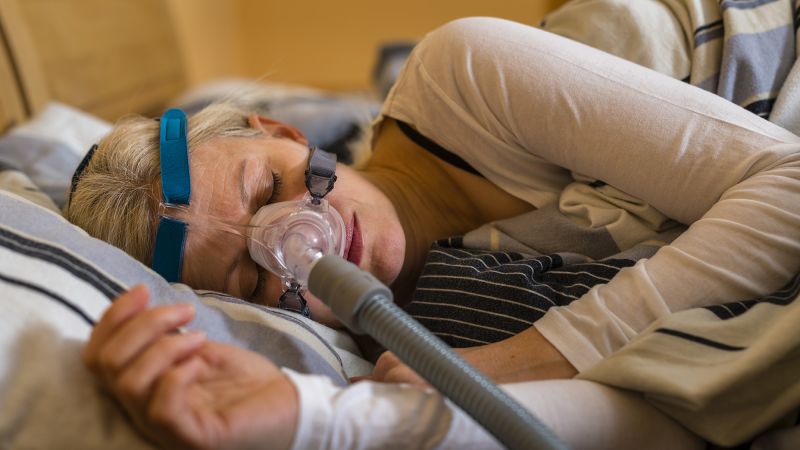
Common indicators of obstructive sleep apnea include loud snoring, pauses in breathing during sleep, daytime sleepiness, difficulty concentrating, and morning headaches. If you suspect you may have sleep apnea, it’s important to consult with a healthcare professional to discuss potential treatments, such as CPAP machines or oral appliances; learn more about sleep apnea from the National Heart, Lung, and Blood Institute. Further research is needed to determine if treating sleep apnea can prevent the formation of microbleeds.
