
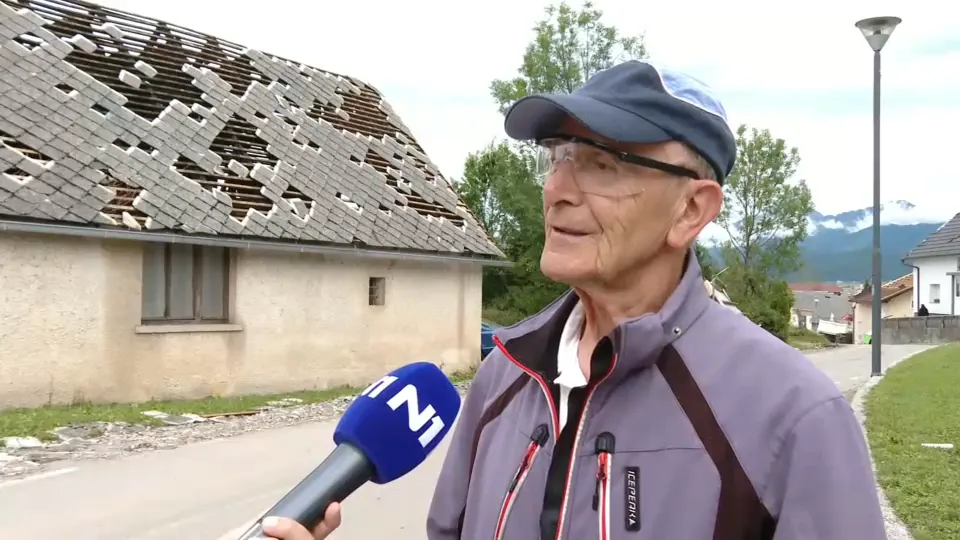
Heavy storms and torrential rain on June 10, 2026, devastated parts of Slovenia, particularly the Gorenjska region, leaving widespread damage to infrastructure, agriculture, and homes. Officials reported over 10 million euros in estimated damages in Komenda alone, with entire villages left in ruins.
Damage to Infrastructure and Agriculture
The storm, described by local officials as one of the worst in decades, caused extensive destruction, particularly in the Gorenjska region. In Komenda, nearly every home was damaged, with some left “uninhabitable,” according to Mayor Jurij Kern. “Niti ena hiša ni ostala nepoškodovana,” Kern said, citing the severity of the damage. The storm also wreaked havoc on farmland, destroying crops like corn, potatoes, and vegetables. “Kmetijski pridelki – koruza, krompir, žitarice, zelje in vrtnine – so v tem pasu popolnoma uničeni. Tu ne bo zraslo nič,” a local official warned, highlighting the agricultural devastation.
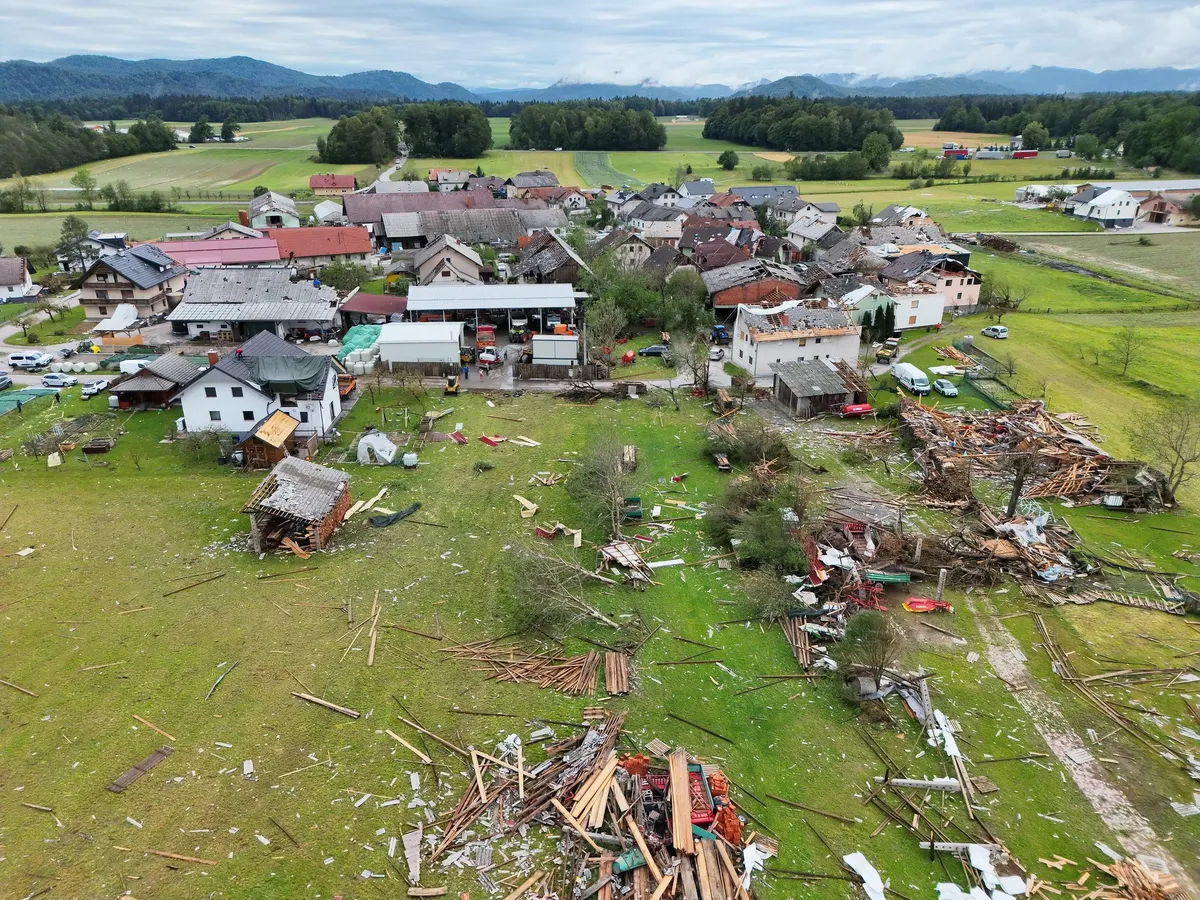
In Cerklje na Gorenjskem, the storm caused significant damage to both residential and commercial buildings. “Odnesena so določena ostrešja stanovanjskih objektov, porušeni so starejši gospodarski objekti, številni objekti so odkriti,” said the mayor, emphasizing the scale of the destruction. The storm also led to flooding, with water seeping into basements and causing structural damage. “Intervencijske ekipe so vso noč odpravljale posledice, povezane predvsem z odkritimi strehami, vdori meteornih voda v kletne prostore stanovanjskih objektov, podrtimi drevesi ter polomljenimi vejami,” a spokesperson for the local fire department noted.
Response Efforts and Challenges
Emergency response teams from multiple regions, including Gorenjska, Kranj, and Radovljica, were deployed to assist with cleanup and repair efforts. “Na terenu je skupno okrog 120 gasilcev z 30 vozili, ki izvajajo sanacijo škode ter pomagajo pri vzpostavljanju normalnih razmer na prizadetih območjih,” reported the Gorenjska Fire Department. Despite the efforts, the scale of the damage posed significant challenges. “Vse občane prosimo za razumevanje in potrpežljivost, ter veliko previdnosti na prizadetih območjih,” the department urged, emphasizing the need for public cooperation.
The response also included coordination with regional and national authorities. “Vzpostavili smo stike s krovci in ostalimi izvajalci za nadaljnjo obnovo,” the mayor of Cerklje na Gorenjskem said, highlighting the collaborative approach. However, the sheer volume of work meant that priorities had to be set. “Gasilske enote si prizadevamo, da bi čim prej pomagale vsem prizadetim, vendar zaradi obsega škode, intervencije potekajo po prioritetnem vrstnem redu,” the fire department explained.
Long-Term Implications and Concerns
The storm has raised concerns about the region’s resilience to extreme weather events. “Po poplavah smo vstali iz pepela in tudi tokrat bomo,” said Srečko Šestan, a local resident, reflecting the community’s determination. However, the long-term impact on agriculture and local economies remains a pressing issue. “Najbolj je nastradal česen, ki bi ga v treh ali štirih tednih začeli pobirati, zdaj pa ne vemo, koliko semena in kakšne kakovosti bomo lahko pridelali,” a representative from the Ptuj Agricultural Institute noted, underscoring the potential economic fallout.

Looking ahead, officials are preparing for potential future storms. “Občina Komenda Poveljnik PGD Moste Matej Tanck je povedal, da je bila aktivirana celotna gasilska zveza. Prvotno so interventne enote delale na urgentnih zadevah, kot so evakuacije ljudi,” the fire department reported. With the region still recovering, the focus remains on rebuilding and ensuring that communities are better prepared for future weather challenges.
For more details on the storm’s impact, read the full coverage from news.google.com.
Find more reporting in our News section.
