
A year-long study indicates a common smartphone charging practice – consistently reaching 100% battery capacity – might potentially be detrimental to long-term battery health. The research, detailed in the article below, explores the chemical processes behind lithium-ion battery degradation and quantifies the impact of different charging habits on device lifespan. As consumers increasingly rely on mobile devices and replacement batteries become more expensive and less accessible, understanding these factors is crucial for both users and manufacturers.
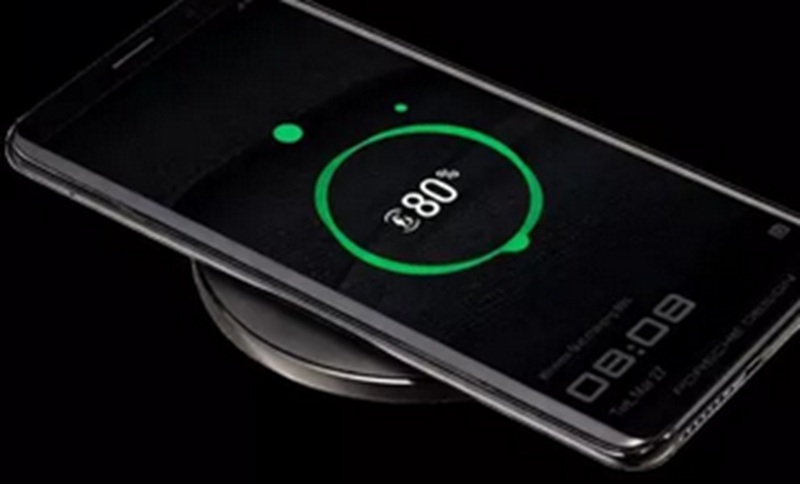 A year-long experiment suggests consistently charging smartphones to 100% capacity may accelerate battery degradation, a finding with implications for the consumer electronics market.
While often dismissed as a myth, the recommendation to avoid full charges stems from the inherent chemical properties of lithium-ion batteries. The longevity of these batteries is a growing concern for consumers and manufacturers alike.
To determine the true impact on device lifespan, a practical experiment was conducted over a year, comparing different charging patterns. The resulting data provides insight into how everyday habits affect the lifespan of modern electronics.

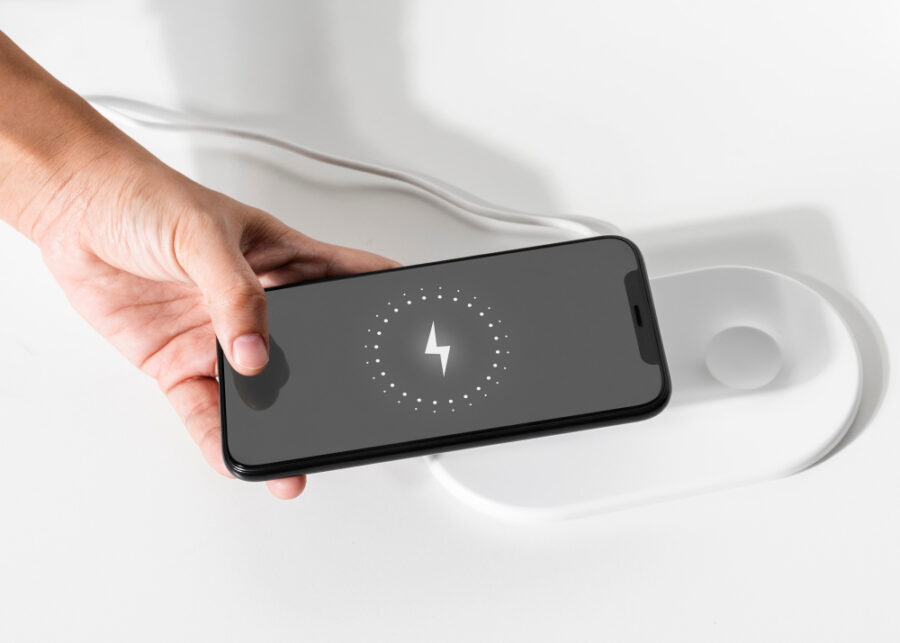
Battery Chemistry and Stress Factors
Most modern smartphones utilize lithium-ion or lithium-polymer batteries. While battery life is measured in charge cycles, a significant factor is also what’s known as chemical stress, which arises at certain voltage levels.
Batteries experience the most stress in two states:
Low Charge: Regularly draining a device to critically low levels (near 0%) can initiate degradation processes within the battery cells.
Peak Voltage: Prolonged exposure to 100% charge, especially while plugged in, creates elevated voltage and heat, accelerating the breakdown of the anode and cathode.
Consequently, experts recommend maintaining a charge around 80% to avoid the peak voltage zone and reduce stress on the system. This finding could influence battery management strategies for device manufacturers.

Experiment Setup and Observations Over One Year
The study utilized several identical smartphones, divided into two test groups:

Control Group: Devices were charged in a standard manner to 100%, often left connected to a power source overnight.
Optimized Group: Charging was halted at the 80% threshold, utilizing built-in system settings.
All devices were used with equal intensity, simulating typical user activity – video streaming, social media use, and communication.

Results After 12 Months of Use
After a year of regular measurements, the results were conclusive:
Devices with 100% Charging: Maximum battery capacity (Battery Health) decreased by an average of 18–22%. In practice, this meant the phone operated for a significantly shorter time than on the day of purchase.
Devices with 80% Limit: Capacity loss was only 8–11%. Battery degradation occurred more than twice as slowly, maintaining device performance close to its original level.
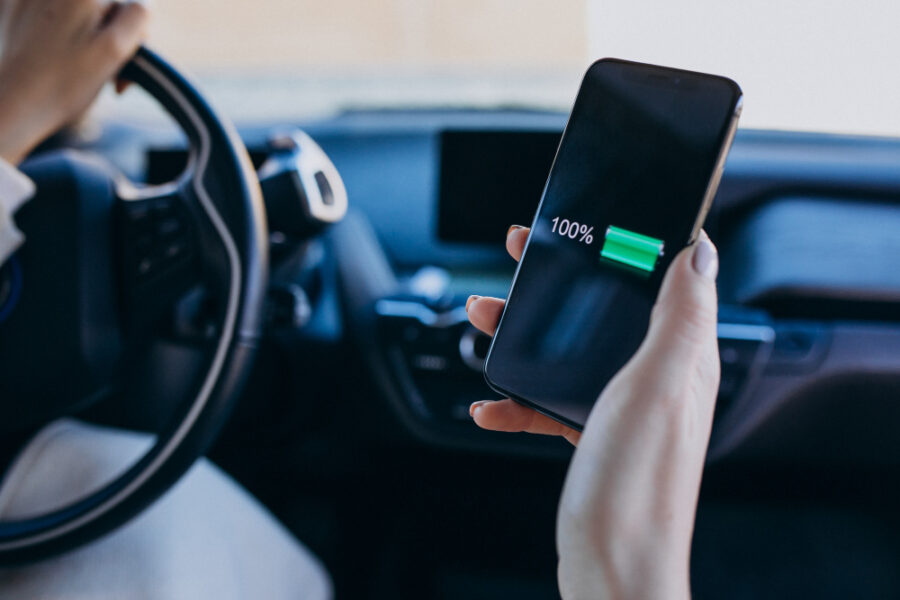

Is the 80% Rule Universal?
While the technical benefits are clear, this approach requires certain trade-offs. Limiting charging means users must account for a smaller energy reserve in their daily routines.
Practical Recommendations:
If you plan to use a device for longer than 2–3 years, limiting charging is an effective way to avoid battery replacement.
Modern operating systems (both Android and iOS) have built-in features that automatically hold charging at 80%, completing it only shortly before the user wakes up.

More important than precise percentages is avoiding battery overheating, often caused by intensive use during charging or direct sunlight.
Conclusion
The year-long observation confirms that a mindful approach to battery charging is not merely a theoretical recommendation. By maintaining a charge level in the mid-range, it’s possible to significantly extend a smartphone’s technical lifespan and maintain stable device performance over the long term.
