
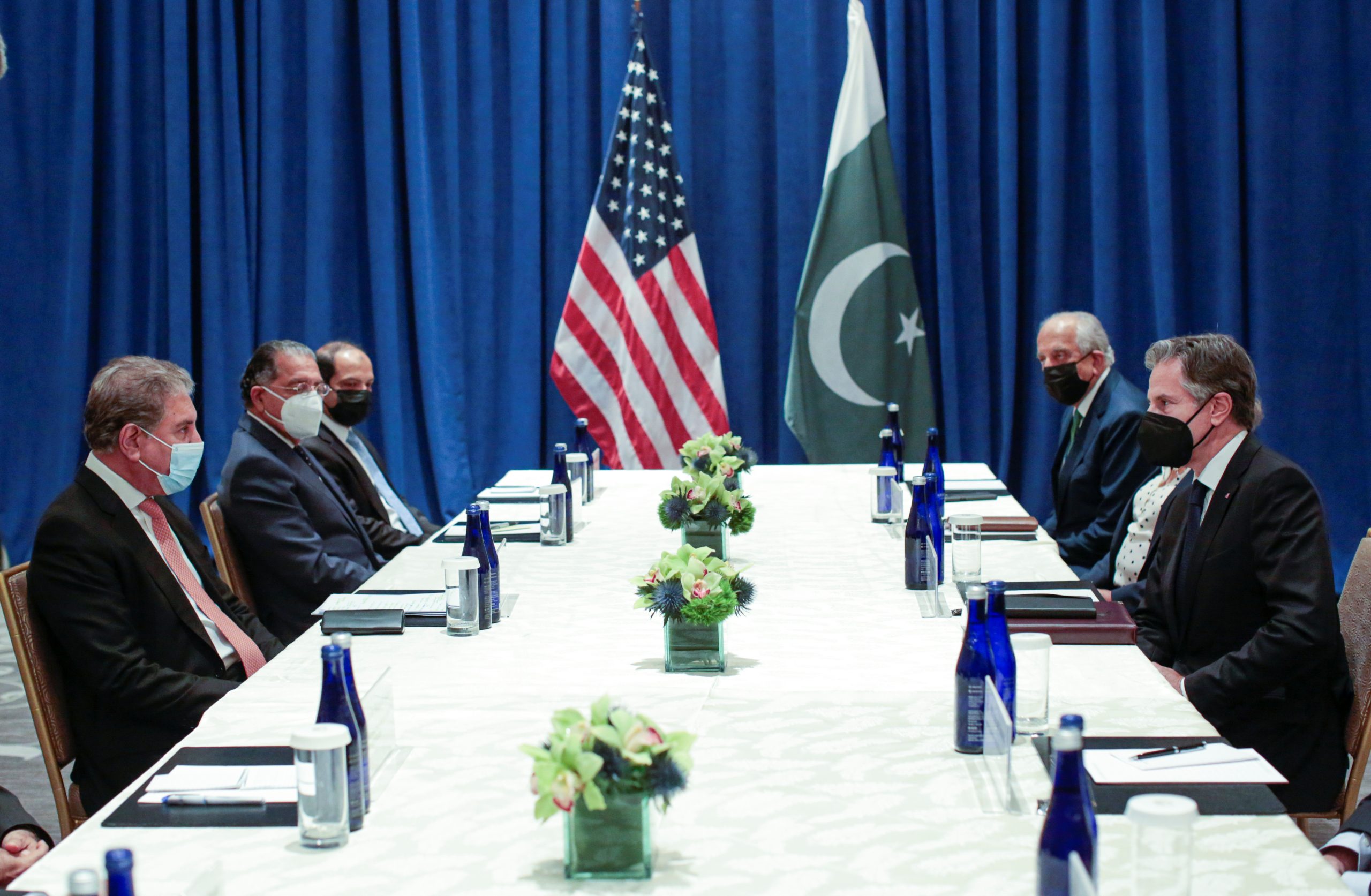
JD Vance, the U.S. vice president, arrived in Switzerland on June 20, 2026, to lead peace talks with Iran, as the Iranian delegation landed in the country ahead of the negotiations, according to the Swiss foreign ministry and Iran’s official news agency IRNA. The discussions, part of a memorandum of understanding signed with the U.S., aim to address nuclear issues and a Lebanon ceasefire, with Qatar and Pakistan serving as mediators, CBS News reported.
Vance’s Mediation Efforts and the Role of Regional Mediators
Vance, who had initially planned to travel to Switzerland on Thursday, postponed his trip due to “logistical complexities,” according to a White House spokesperson. He later departed from Joint Base Andrews, stating his focus would be on “technical talks” with Iranian, Qatari, and Pakistani officials. “Looking forward to starting the technical talks with the Iranians, the Pakistanis, and the Qataris,” Vance said, highlighting the two main priorities: nuclear negotiations and a Lebanon ceasefire. The U.S. and Iran have been engaged in indirect talks since 2023, but direct engagement remains contentious.

The involvement of Qatar and Pakistan as mediators underscores the regional dynamics at play. Qatar, which has maintained diplomatic ties with Iran despite U.S. pressure, and Pakistan, a long-time U.S. ally, have both facilitated communication between the two nations. “Qatar and Pakistan have served as mediators between the U.S. and Iran throughout the war,” Vance noted, reflecting the complex web of alliances shaping the conflict.
Iran’s Strategic Moves and U.S. Countermeasures
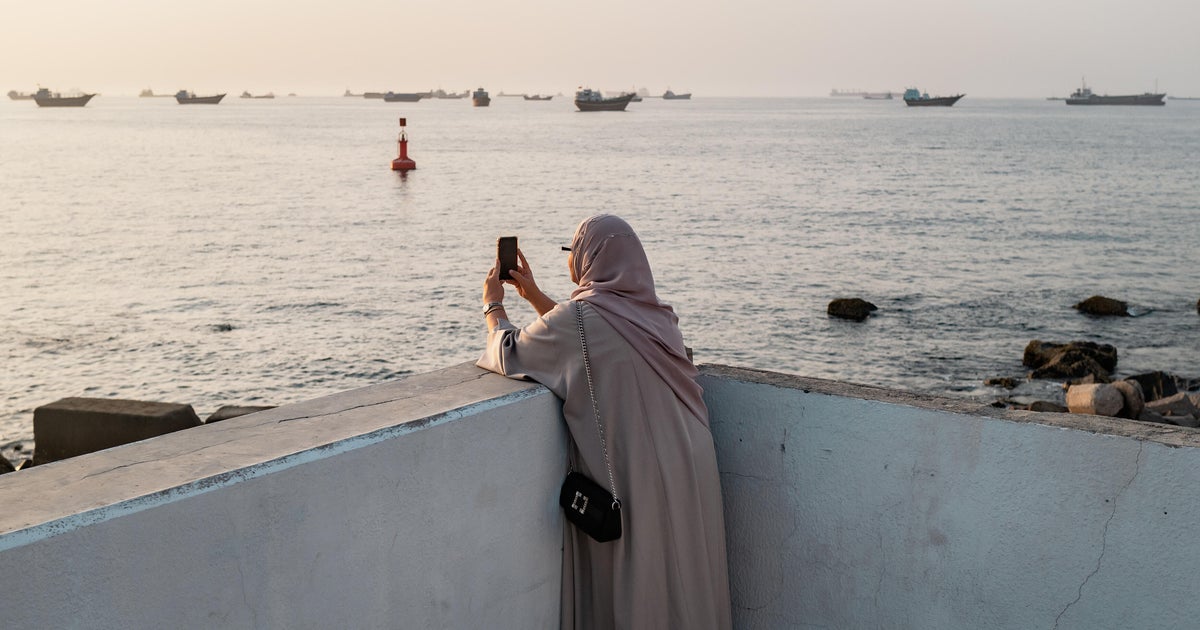
Iran claimed to have closed the Strait of Hormuz, a critical maritime chokepoint, citing Israel’s military actions in Lebanon. However, U.S. Central Command denied the closure, stating that “traffic continues to flow” and that U.S. forces are monitoring the situation. “Iran does not control the Strait of Hormuz. Traffic continues to flow, and U.S. forces are monitoring the situation to ensure this remains the case,” said Capt. Tim Hawkins, a U.S. Central Command spokesperson. This contradiction highlights the ongoing tension over regional control and the potential for escalation.
President Trump responded to Iran’s claims by threatening to impose U.S. tolls on ships passing through the Strait unless a final agreement is reached within 60 days. “There will be no tolls on ships passing through the Strait of Hormuz unless the U.S. collects the proceeds,” Trump stated on Truth Social, framing the tolls as compensation for “services rendered as the Guardian Angel to the countries of the Middle East.” This move signals a hardening stance from the administration, potentially complicating negotiations.
Logistical Challenges and the Closure of the Negotiation Venue
The talks are set to take place at the Bürgenstock Resort in Switzerland, a luxury venue overlooking Lake Lucerne. The resort has been closed to the public since June 17, with operations resuming on June 23. CBS News reported that the closure, initially announced as temporary, has extended due to the high-profile nature of the negotiations. “The luxury resort… will remain closed to the public through Tuesday,” a resort spokesperson said, emphasizing the need for security and confidentiality during the discussions.
For more on this story, see Trump Sets Sunday Deadline for Iran Peace Deal or Escalation.
The logistical hurdles reflect the sensitivity of the talks. The U.S. and Iran have a history of stalled negotiations, with previous agreements often derailed by mutual distrust. The involvement of multiple mediators and the high stakes of the nuclear issue add layers of complexity, making the success of these talks uncertain.
Israel’s Actions in Lebanon and Regional Fallout
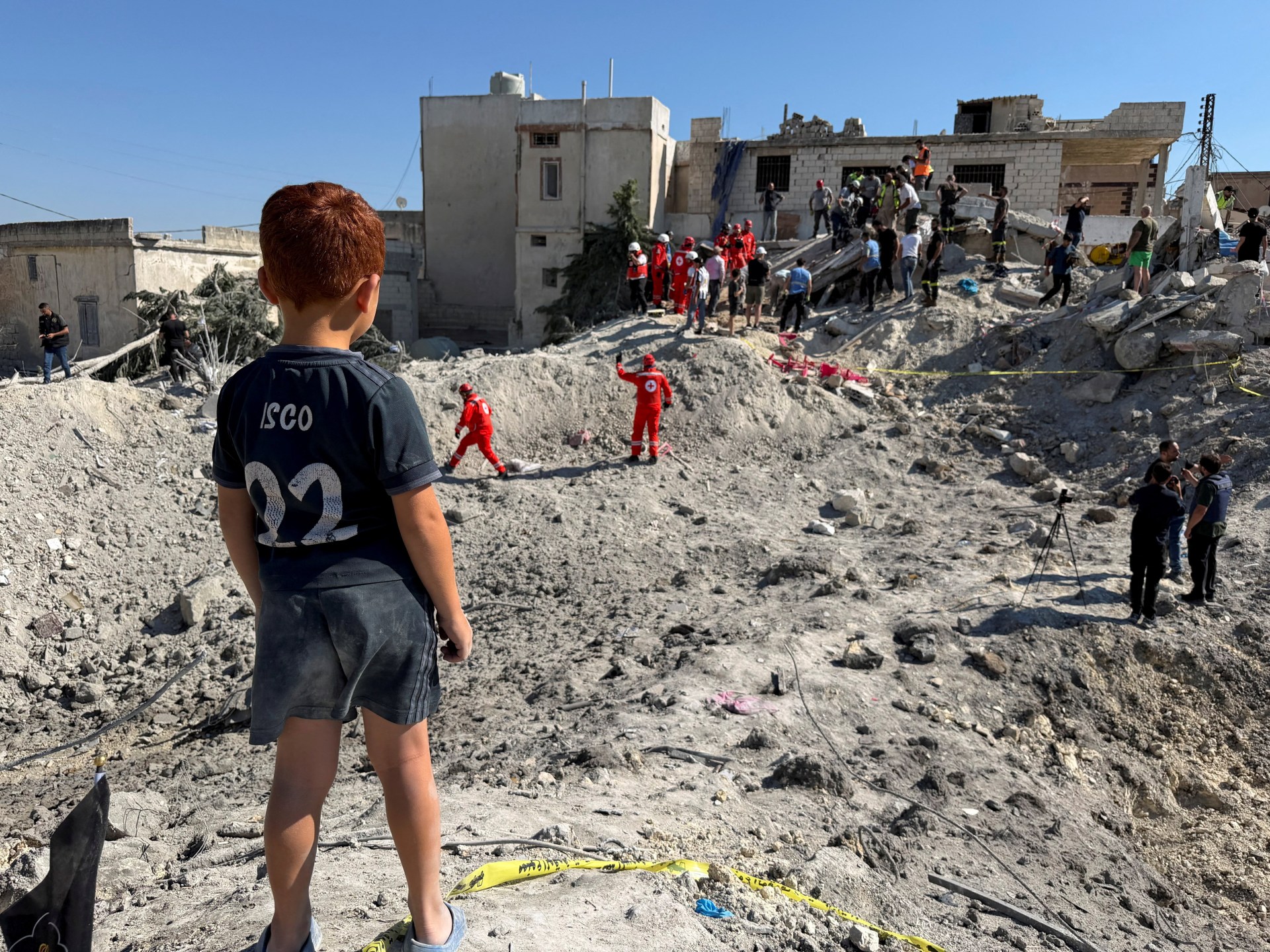
While the U.S.-Iran negotiations unfold, Israel’s military operations in Lebanon have intensified. Al Jazeera reported that Israeli forces killed 16 people in Lebanon on June 20, escalating tensions in the region. The attack, attributed to Hezbollah, has drawn condemnation from international actors, with the U.N. urging restraint. This development complicates the broader conflict, as regional actors navigate the interplay between the Israel-Iran proxy war and direct U.S.-Iran diplomacy.
The Israeli strike also raises questions about the effectiveness of existing ceasefires. Hezbollah, which has been a key player in the conflict, has accused Israel of violating previous agreements. The U.S. has called for de-escalation, but the situation remains volatile, with both sides accusing each other of undermining peace efforts.
What Comes Next? Implications and Uncertainties
The outcome of the U.S.-Iran talks will have far-reaching implications for regional stability. If successful, the negotiations could pave the way for a nuclear deal and a ceasefire in Lebanon, easing tensions that have plagued the Middle East for years. However, the presence of conflicting claims—such as Iran’s closure of the Strait of Hormuz and the U.S. assertion of continued access—highlights the fragility of the process.
Looking ahead, the next 30 days will be critical. Trump’s threat of tolls and the unresolved issues surrounding the Strait of Hormuz could either spur progress or derail the talks. Meanwhile, the situation in Lebanon remains a wildcard, with Israel’s actions potentially influencing the broader diplomatic landscape. As Vance and his team work to navigate these challenges, the world watches closely, aware that the stakes could not be higher.
CBS News reported on Vance’s departure and the U.S. stance on the Strait of Hormuz, while Al Jazeera covered the Israeli attacks in Lebanon and Iran’s claims of closing the strait.
Find more reporting in our World section.
