
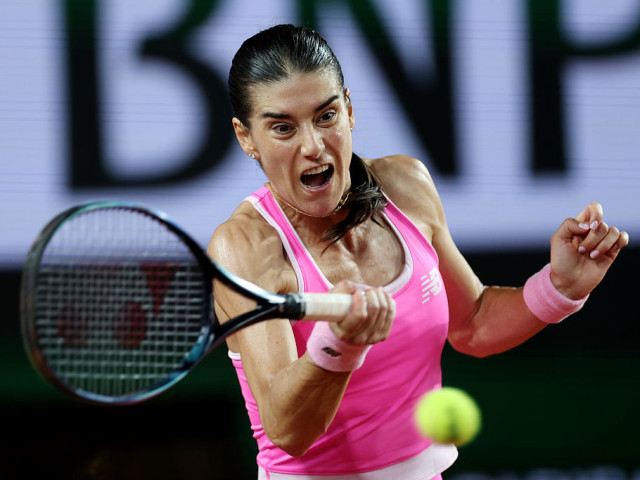
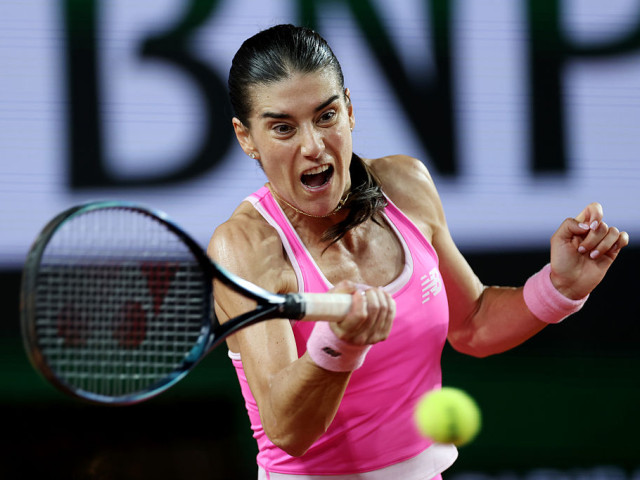
Sorana Cîrstea, 36, has reached the quarterfinals of Roland Garros for the first time in 17 years—and in her final season—after a dominant 6-3, 7-6(7-4) win over Xiyu Wang, a 25-year-old ranked No. 148. The victory earned her €470,000, a career-high payout that underscores her defiance of age and the tennis establishment’s assumptions about late-career decline. With €762,977 already banked in 2026, she’s on track to surpass €1 million for the year, a milestone that would cap a career that has repeatedly confounded expectations.
How a 36-Year-Old Defied the Odds
Cîrstea’s path to the quarterfinals wasn’t just about skill—it was about resilience. The match against Wang, a qualifier who had beaten top-10 players earlier in the tournament, lasted 1 hour and 57 minutes, with the Romanian holding serve in both sets and breaking Wang twice in the second. What stood out wasn’t just the score, but the way she played: methodical, unflustered, and—despite the stakes—lighthearted. “I’m happy the match ended in two sets,” she told reporters after the victory, “because after that, things get harder.” The comment was a subtle nod to her age, but also to the pressure she’s carried for decades. “With every year, I put less pressure on myself,” she added. “I’m just grateful for what I’m living.”
Her words echoed a theme from her post-match interview with Marion Bartoli, the 2013 Wimbledon champion who once trained with Cîrstea in 2009—the same year the Romanian last reached these rounds. Bartoli’s compliment was telling: “I’ve seen you play since 2009, and 17 years later, you still look as young as ever.” The remark wasn’t just about appearance. It was about the way Cîrstea moves, the way she handles adversity, and the way she’s redefined what it means to age in professional tennis.
Age, after all, has been the story of Cîrstea’s career. At 36, she’s the oldest active top-20 player on the WTA Tour—a fact that has drawn both admiration and skepticism. But her results speak louder than the doubters. This is her fifth Grand Slam quarterfinal, matching her best-ever performance at Roland Garros (2009) and the US Open (2023). And unlike many athletes who fade in their late 30s, she’s doing it with a smile. “There’s no expiration date for dreams,” she said. “My passion is tennis, and I’m thankful for every moment.”
The Money Behind the Moment
Financially, this run has been a career-defining windfall. The €470,000 prize for reaching the quarterfinals is the largest single check of Cîrstea’s life—nearly half of her career earnings (€10.1 million). But the real story is what she’s accumulated in 2026 alone: €762,977 before this week’s tournament. With a potential €1.4 million for the semifinals and €2.8 million if she wins the title, she’s on pace to exceed €1 million for the year—a first for her.
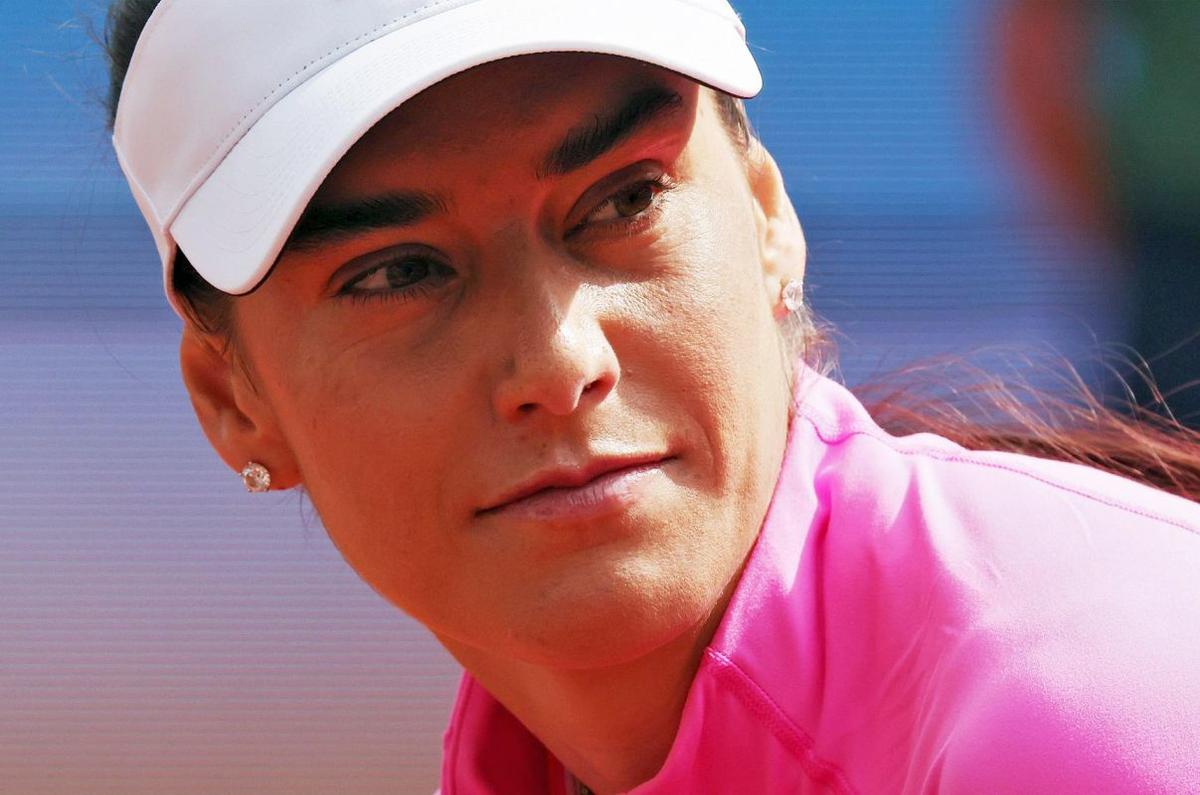
For context, the 2026 Roland Garros purse is nearly €62 million, with prize money equal for men and women—a rarity in tennis. The tournament’s structure means that even deep runs pay handsomely. Cîrstea’s €470,000 check is 0.76% of the total purse, a reflection of how far she’s climbed in a sport where physical dominance often dictates success. But her earnings tell another story: one of longevity, adaptability, and the ability to turn late-career moments into financial milestones.
Her total career earnings—€10.1 million—are modest compared to peers like Iga Świątek (€20M+) or Simona Halep (€22M+), but her trajectory is unique. Most players peak in their mid-to-late 20s and decline by 30. Cîrstea’s career arc has been the opposite: a slow build, a mid-career slump, and now a late renaissance. The 2026 season has been her best in years, with a top-20 ranking and a resurgence on clay that has fans and pundits alike questioning whether she’s been underestimated.
What Comes Next: The Quarterfinals and Beyond
Cîrstea’s next opponent is the winner of Mirra Andreeva (No. 8 WTA, 19) vs. Jil Teichmann (No. 170 WTA, 28). Andreeva, a rising star, has already beaten Teichmann in straight sets earlier this week. If Cîrstea advances, she’ll face either Andreeva or Teichmann in the semifinals—a matchup that could hinge on Cîrstea’s ability to exploit her opponent’s weaknesses while managing her own stamina.
But the bigger picture extends beyond Paris. Cîrstea’s strong showing at Roland Garros has secured her a spot in the 2026 WTA Finals, the season-ending championship for the top eight players based on their year-end rankings. With her current form, she’s a lock for one of the eight berths, which would cap a historic season. The Finals, held in Shenzhen in October, would give her one last chance to compete at the highest level before retirement.
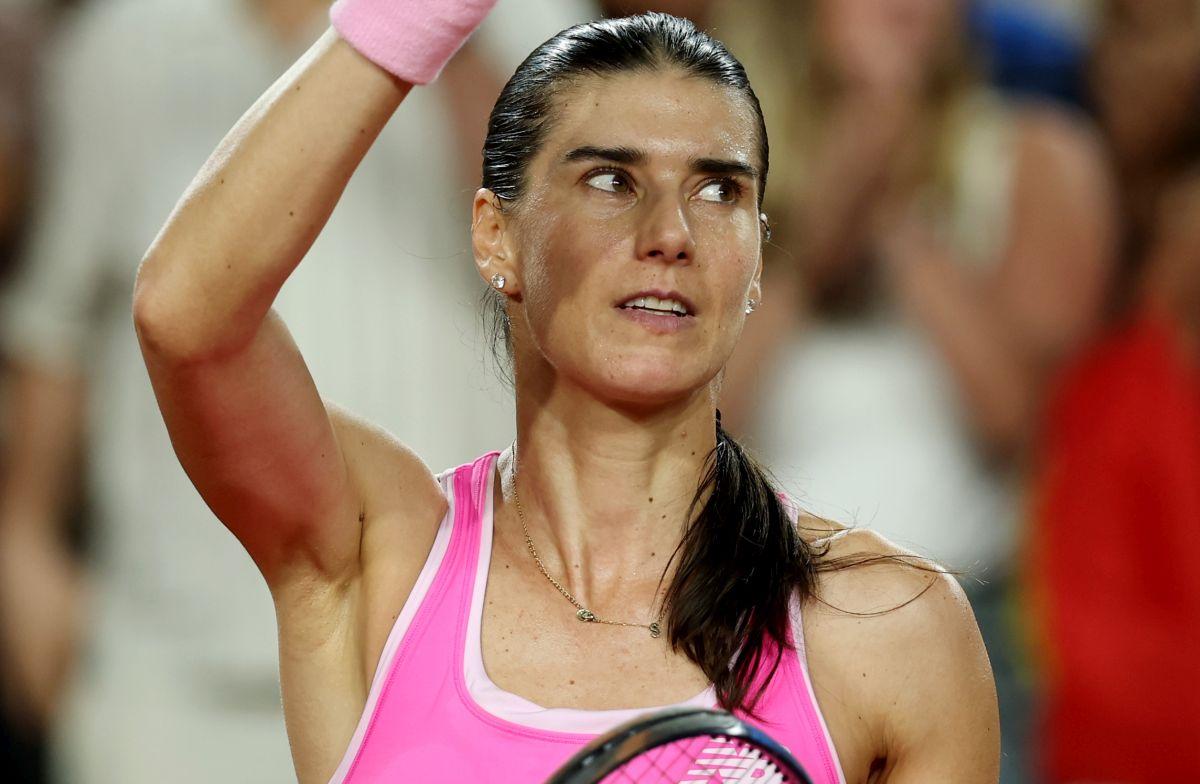
Her decision to retire after 2026 was announced last year, but this tournament has given her a chance to go out on her own terms. “I’ve always loved this sport,” she said in a post-match interview with Ziare.com. “There’s no expiration date for passion. At 36, I’ve never seen anyone look as young as I do on the court.” The comment was met with applause from the crowd—a rare moment of public acknowledgment for a player who has spent her career defying expectations.
The Legacy: Why Cîrstea’s Story Matters
Cîrstea’s career has always been about more than tennis. It’s about challenging the narrative that athletes must peak young. At 36, she’s not just competing—she’s proving that skill, mental toughness, and adaptability can outlast physical prime. Her journey is a rebuttal to the idea that late-career success is impossible, especially in sports where youth is prized.
For Romanian tennis, she’s a symbol of perseverance. In a country where sports infrastructure is limited, her success has inspired a generation of young players. And for women’s tennis, she’s a reminder that careers can unfold in unexpected ways—sometimes later, sometimes slower, but no less meaningful.
The quarterfinals are her stage now. If she wins, she’ll face a semifinalist who could be the next generation’s star. But regardless of the outcome, one thing is certain: Sorana Cîrstea’s story isn’t over. Not yet.
Sources: GSP, HotNews.ro, Ziare.com, Digi Sport, GSP (second source).
