

The Economics of the Norwegian Paradox
Norway occupies a unique position in the global economy, often described as a paradox by observers and officials alike. According to reporting from the BBC, the country has successfully integrated a green agenda into its domestic life, where nearly all electricity is generated from renewable sources. Furthermore, the nation has established a robust infrastructure for electric vehicles, with nine out of every ten new cars sold being electric. This commitment to sustainability extends to policy, as evidenced by a carbon tax system that has been in place for 35 years, charging companies for every ton of greenhouse gas emitted.
Despite these internal environmental efforts, the state remains deeply reliant on the extraction and export of fossil fuels. The energy sector accounts for approximately 60 percent of the value of all goods sold abroad and contributes more than 20 percent of the national Gross Domestic Product. Through its majority stake in the conglomerate Equinor, the government channels massive revenues into its sovereign wealth fund. By the close of 2025, this fund is estimated to hold $1.9 trillion in assets, a sum representing roughly $350,000 for every Norwegian citizen, which serves as the bedrock for the country’s pension system and social welfare state.
Geopolitical Tensions and Market Volatility
The reliance on oil and gas exports links Norway’s future directly to the global markets for these commodities. Recent conflicts in the Middle East, particularly following military actions involving Iran, have intensified the debate surrounding this economic dependency. As global energy prices fluctuate due to concerns over the blockade of the strategic Strait of Hormuz, the state’s financial reserves face heightened exposure to market volatility.
The administration has faced pressure to manage the perception that the country, known for awarding the Nobel Peace Prize, derives significant financial gain from global instability. Jens Stoltenberg, the former secretary general of NATO and a former minister of finance, has publicly addressed these concerns.
It is not certain that we will have benefits from the growth of the price of oil.Jens Stoltenberg, former Minister of Finance, via BBC
While the Oslo stock market has shown strength, fueled largely by the energy companies that dominate its listings, officials continue to emphasize that the nation has more to gain from global peace than from the price spikes that often accompany war.
Residential Real Estate in Winter Park
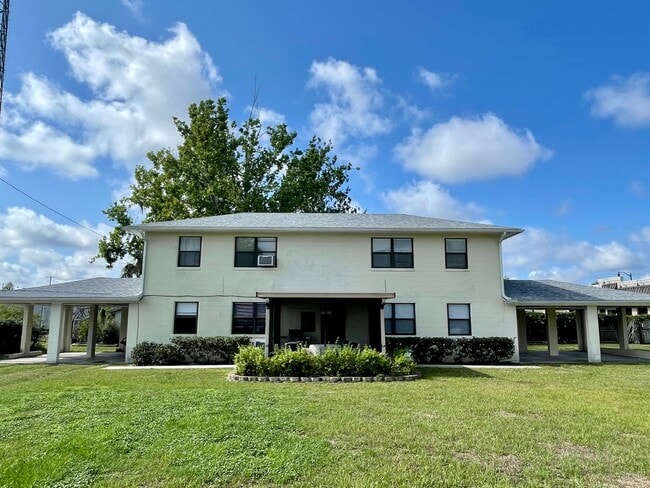
While national economic policy remains tied to global energy markets, individuals navigating the local housing market in Winter Park, Florida, face a different set of financial realities. Properties, such as those managed by BRIC Property Management, reflect the current demand for rental housing in the 32789 zip code. For those seeking a one-bedroom apartment, financial requirements are strict; applicants must demonstrate a household income at least three times the monthly rent and maintain a credit score of 620.
The application process for these units typically includes a $95 non-refundable application fee per adult. Once an application is approved, a holding fee equivalent to the security deposit is required within 24 hours to secure the property. Pricing for one-bedroom units in the Winter Park area varies significantly based on amenities and availability, with market options ranging from $400 to $5,400, according to listings from Apartment Home Living.
| Expense Category | Requirement/Range |
|---|---|
| Credit Score | 620 |
| Income Requirement | 3x the rent |
| Application Fee | $95 |
| Rental Price Range | $400 – $5,400 |
This disparity between the macro-level economic paradox of a nation like Norway and the micro-level constraints of local rental markets highlights the diverse financial pressures facing different populations. In Norway, the challenge lies in reconciling a green domestic identity with an export-dependent economy, while in local markets like Winter Park, the focus remains on the tangible barriers to entry for residents seeking housing. As 2026 progresses, both the Norwegian state and individual renters will continue to navigate the impacts of volatile global economic forces.
