
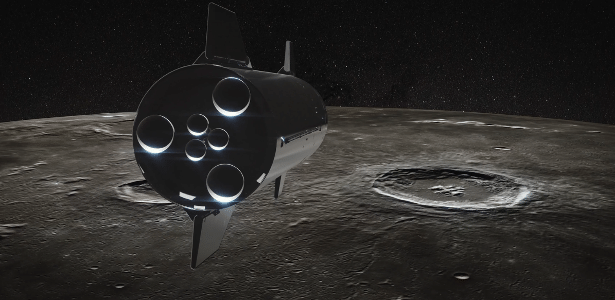
SpaceX officially announced its first commercial human spaceflight mission to Mars on May 22, 2026, featuring the Starship spacecraft. The mission will be commanded by cryptocurrency entrepreneur Chun Wang, though the company has not provided a launch date or a detailed schedule for the interplanetary journey.
The Mission Profile: A Martian Flyby
During a live broadcast, the company unveiled plans for a mission that marks a significant shift in its long-term ambitions. Rather than an immediate attempt to land on the Martian surface, the crewed flight is designed as a flyby. According to reporting from Tilt, the mission is expected to last approximately two years, taking the crew beyond the Earth-Moon system before returning home.
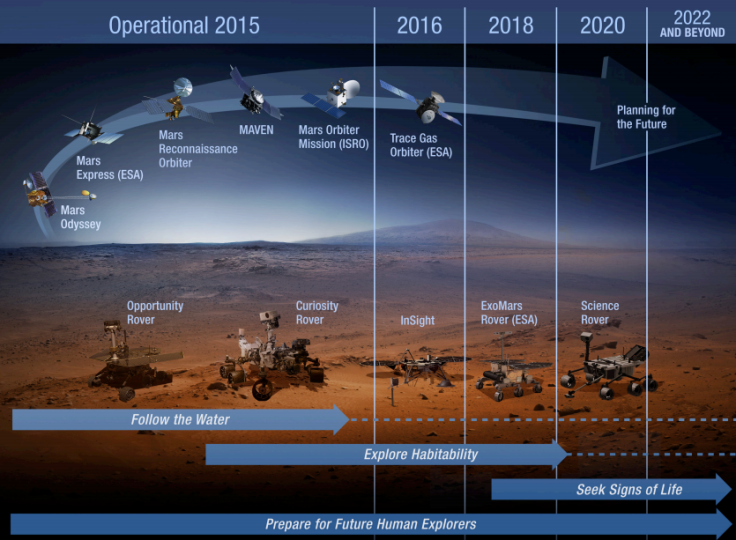
The mission commander, Chun Wang, emphasized a cautious approach to the complexities of deep space travel. By focusing on a flyby, the team aims to test critical systems in the harsh environment of space before committing to the more dangerous prospect of surface operations.
“O sobrevoo vai tentar muitas coisas que nunca foram feitas antes.”
Chun Wang, mission commander, via Tilt
Starship Readiness and Precursor Missions
The success of the Mars mission remains inextricably linked to the development of the Starship vehicle. As Bolsão Informa notes, the Starship has yet to complete a crewed orbital mission, let alone a voyage to another planet. The vehicle, billed as the most powerful rocket ever developed by the company, still faces significant technical hurdles, including the need for reliable life support systems, radiation protection, and the complex challenge of orbital refueling.
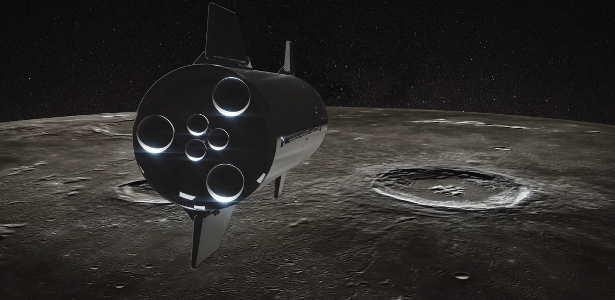
Before the Mars flyby can take place, the company has outlined a preliminary test phase involving a commercial flight around the Moon. This lunar mission will include Wang alongside entrepreneurs Dennis Tito and Akiko Tito. The company stated that this lunar excursion serves as a vital proving ground for the Starship’s systems, ensuring they can withstand the rigors of long-duration missions in deep space.
Market Ambivalence and Technical Reality
The announcement has drawn mixed reactions from the aerospace community. While some see it as a bold step toward the commercialization of interplanetary travel, others point to the history of ambitious timelines associated with the firm. As SpaceX USA highlights in its institutional mission, the goal remains the development of sustainable systems for long-duration human spaceflight, yet the lack of a concrete date for the Mars mission has left many observers questioning the timeline.
For more on this story, see SpaceX Starship V3 to Launch on May 19, 2026.
The company maintains a focus on iterative testing at its Starbase facility in Texas. While test flights of the Starship design continue, the transition from uncrewed testing to human-rated interplanetary transport requires regulatory and technical milestones that have yet to be met. The company’s own history of shifting deadlines—with past targets for Mars missions remaining unfulfilled—suggests that while the vision is clear, the path to implementation remains fluid.
Operational Outlook for the Starship Program
As the company prepares for ongoing flight tests, the focus remains on the Starship V3 design. Recent operational updates indicate that the company is actively refining trajectories and engine performance to ensure the vehicle meets the necessary safety bounds for future human occupancy. The agency’s broader efforts, including potential collaboration on the Artemis program, indicate that the path to Mars will likely involve a combination of private innovation and public sector data sharing.
For now, the project exists as a high-stakes proof of concept. The ability to perform a flyby will be the first test of whether private enterprise can successfully navigate the logistics of deep space. Until the company provides a definitive launch window, the mission serves as a symbolic statement of intent rather than a confirmed departure on the calendar.
Logistical Challenges of Interplanetary Transit
The transition from Earth-orbit operations to a trajectory capable of reaching the Martian sphere involves significant mechanical and biological hurdles. According to standard industry assessments referenced in the context of the program, the duration of a two-year mission necessitates advancements in closed-loop life support that are not currently standard on short-duration crewed spacecraft. The environmental control systems must be capable of managing air and water recycling over extended periods without the possibility of resupply or emergency abort-to-Earth maneuvers once the trans-Mars injection is completed.
Furthermore, the communication latency between Earth and a spacecraft nearing Mars presents a unique operational barrier. Data transmission speeds between the vehicle and ground control in Texas will fluctuate based on the distance, requiring the Starship to operate with a high degree of onboard autonomy. This autonomy must extend to navigation, propulsion, and real-time diagnostic systems, as the latency makes real-time human intervention from Earth impossible for time-critical maneuvers.
Regulatory and Safety Milestones
While the mission is commercial in nature, it remains subject to the oversight of regulatory bodies concerned with space safety and the prevention of interplanetary contamination. The certification process for a vehicle intended to carry humans into deep space is significantly more rigorous than that required for low-Earth orbit missions. The company must demonstrate that the vehicle can maintain structural integrity during atmospheric re-entry upon returning from an interplanetary trajectory, which involves velocities significantly higher than those achieved during re-entry from the International Space Station or lunar orbit.
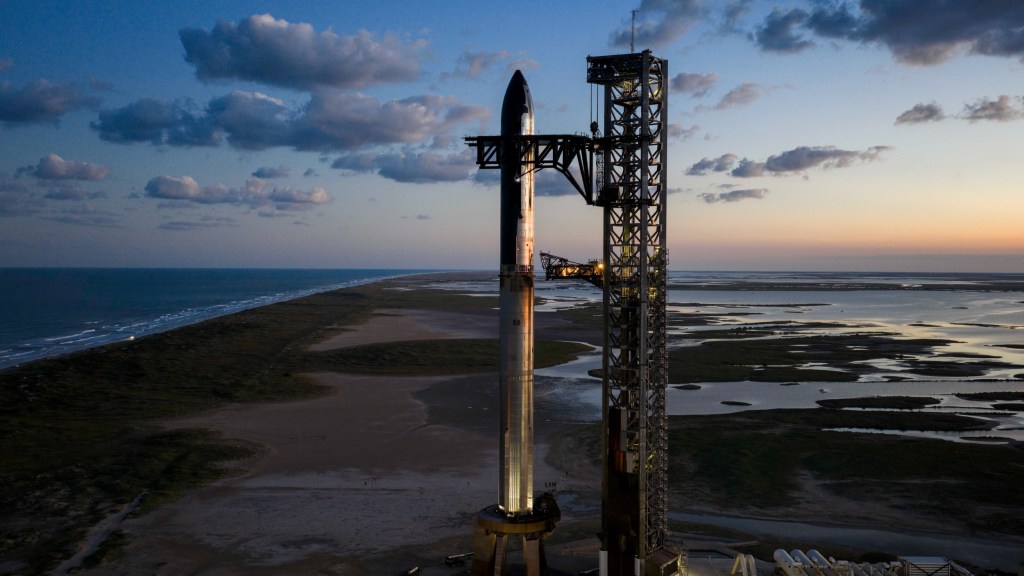
The company has indicated that the iterative development process at Starbase is intended to address these safety milestones incrementally. By utilizing the Starship V3 platform, the engineering teams are seeking to optimize the mass-to-payload ratio, which is essential for carrying the necessary consumables for a multi-year flight. However, the absence of a public roadmap for this certification process continues to be a point of discussion among aerospace analysts who monitor the company’s progress. The reliance on private funding for such an ambitious undertaking adds a layer of economic complexity, as the project must maintain investor confidence while navigating the inherent risks of deep space exploration.
As of May 22, 2026, the project remains in the early phases of its public lifecycle. The focus on a flyby, rather than a landing, underscores the technical reality that the company is prioritizing the successful transit and return of the crew as the primary objective. This approach allows for the accumulation of critical flight data that will inform the design of future, more complex missions that may eventually include surface landings and the establishment of a permanent human presence on Mars.
