
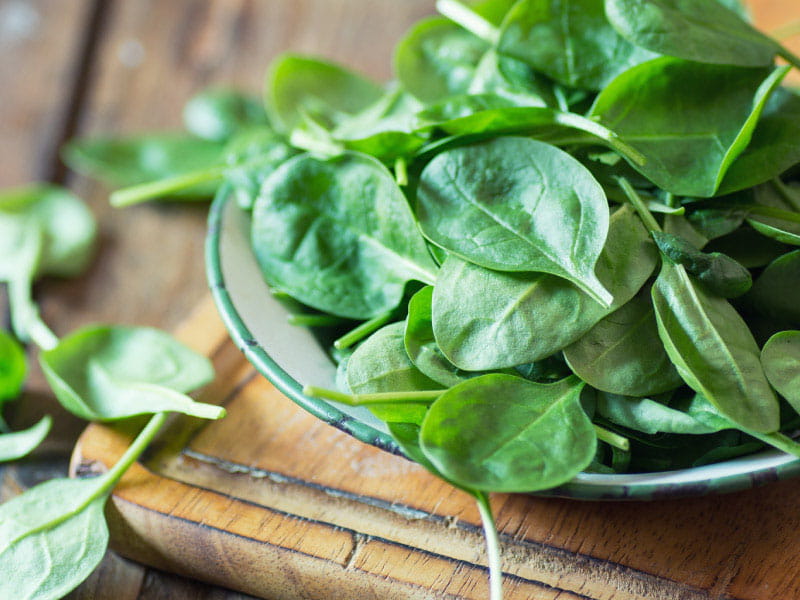
Spinach is widely recognized as a nutritional powerhouse, but current clinical analysis indicates that its health benefits fluctuate significantly based on preparation methods. While the vegetable remains a staple for its dense micronutrient profile, recent dietary insights clarify why the choice between raw and cooked leaves changes how the body absorbs essential minerals.
Nutrient Profiles and the Impact of Preparation
The nutritional value of spinach, which consists of 91% water, varies depending on whether it is consumed raw or boiled. According to Healthline, raw spinach is low in calories and carbohydrates while providing significant amounts of vitamins A, C, and K1, as well as folate and iron. However, the bioavailability of these nutrients is not static.
Experts suggest that the internal chemistry of the plant changes when heat is applied. Jennifer Pallian, a registered dietitian, notes that raw and cooked spinach differ mainly in oxalate content and the measured amounts of certain micronutrients per 100 grams. As reported by Prevention, while both forms have the same calorie count per 100 grams, cooked spinach contains higher levels of calcium, iron, magnesium, zinc, copper, and vitamin K per 100 grams. Conversely, raw spinach retains more vitamin C and folate.
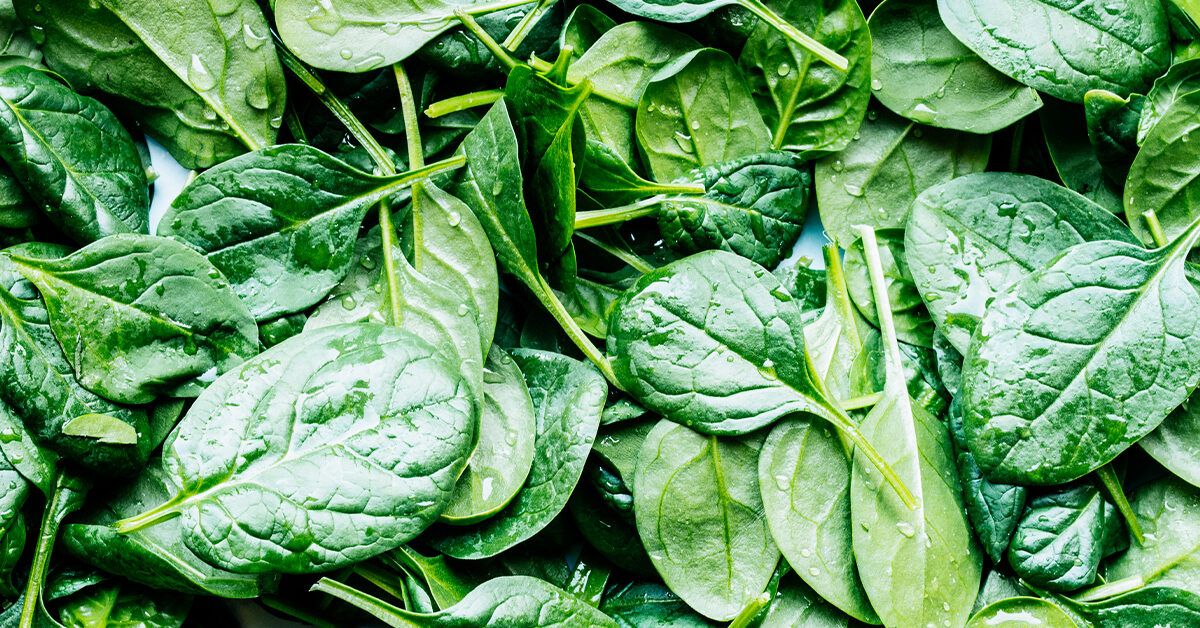
The transformation occurs because cooking breaks down the fibrous plant cell walls, which can make certain nutrients easier for the human body to extract and absorb. When spinach is heated, the volume shrinks significantly, allowing a person to consume a much larger quantity of the vegetable in a single serving compared to the bulky, raw state. This concentration effect is a primary driver in the disparity between the two forms, as the smaller volume of cooked greens allows for a higher density of minerals per measured cup.
The Role of Oxalates in Mineral Absorption
A critical factor in spinach consumption is the presence of oxalates. These compounds act as antinutrients, binding to minerals like calcium and iron and effectively blocking their absorption in the digestive tract. Avery Zenker, a registered dietitian at MyHealthTeam, suggests that lightly cooking the leaves is often the most effective way to maximize nutritional intake.
Spinach is high in oxalates, which can bind to minerals like calcium and iron, blocking their absorption. Cooking spinach reduces oxalate content, making its calcium and iron more bioavailable. Cooking helps increase beta carotene (vitamin A) and iron availability in spinach. Avery Zenker, R.D.
While the reduction of oxalates through boiling improves mineral uptake, it does come with a trade-off. The boiling process can lead to the loss of heat-sensitive nutrients, most notably vitamin C. Because vitamin C is water-soluble and unstable at high temperatures, the water used for boiling often leaches out the vitamin, meaning that much of the nutrient is discarded when the water is drained. For those prioritizing vitamin C, raw consumption remains the superior method; for those prioritizing iron and calcium, cooking is recommended.
Expert Perspectives on Spinach as a Nutritional Powerhouse
The status of spinach as a “nutritional powerhouse” is supported by clinical review. Dr. Joseph Roberts, an assistant professor of nutrition at Arizona State University, led a 2016 academic review on the subject published in the journal Food & Function. He emphasizes that the vegetable is uniquely dense, allowing consumers to obtain substantial nutrition without a high caloric intake.
I think spinach is quite unique. They are largely considered nutritional powerhouses… you can get a lot of nutrition without a lot of calories. Dr. Joseph Roberts
According to the American Heart Association, the vitamin K content in spinach is particularly notable, providing over 100% of the recommended daily intake for both men and women in a single cup. Beyond vitamins, spinach is a rich source of phytochemicals, including lutein and zeaxanthin, which are linked to improved eye and brain health. These compounds are antioxidants, which help protect cells from oxidative stress. Research highlighted by the American Heart Association underscores that the consistent inclusion of such leafy greens in a weekly diet correlates with long-term maintenance of cardiovascular health.
Fiber and Digestion Considerations
Beyond micronutrients, spinach serves as a significant source of insoluble fiber. This component adds bulk to stool and supports digestive health by preventing constipation. While raw spinach offers roughly half a gram of fiber per cup, the volume reduction that occurs during cooking means that a cup of boiled spinach contains more than 4 grams of fiber.

This difference in fiber density impacts how the digestive system processes the vegetable. The higher fiber content in cooked spinach can be more beneficial for those seeking to improve regularity, though it may also cause more significant digestive activity in individuals with sensitive gastrointestinal tracts. The structural integrity of the fiber remains intact even after light cooking, ensuring that the benefits to the digestive microbiome are preserved.
Strategic Consumption for Optimal Health
For those looking to optimize their intake, the consensus among dietitians is that variety is key. Whether consumed raw in salads or cooked in various dishes, spinach provides essential compounds like quercetin and nitrates that contribute to heart health and inflammation reduction. Nitrates, in particular, have been studied for their role in blood pressure regulation and endothelial function.
As research continues into the specific effects of plant cell breakdown and thylakoids—which may influence satiety—spinach remains a recommended component of a healthy eating pattern. Thylakoids are specialized structures within the plant cells that have shown potential in early clinical trials to slow the digestion of fats, which may contribute to a prolonged feeling of fullness after a meal. By alternating between raw and cooked preparations, consumers can hedge their bets, ensuring they benefit from the heat-stable minerals like iron and the heat-sensitive vitamins like C, while also capitalizing on the fiber and phytochemical density that makes spinach a foundational element of a balanced diet.
