
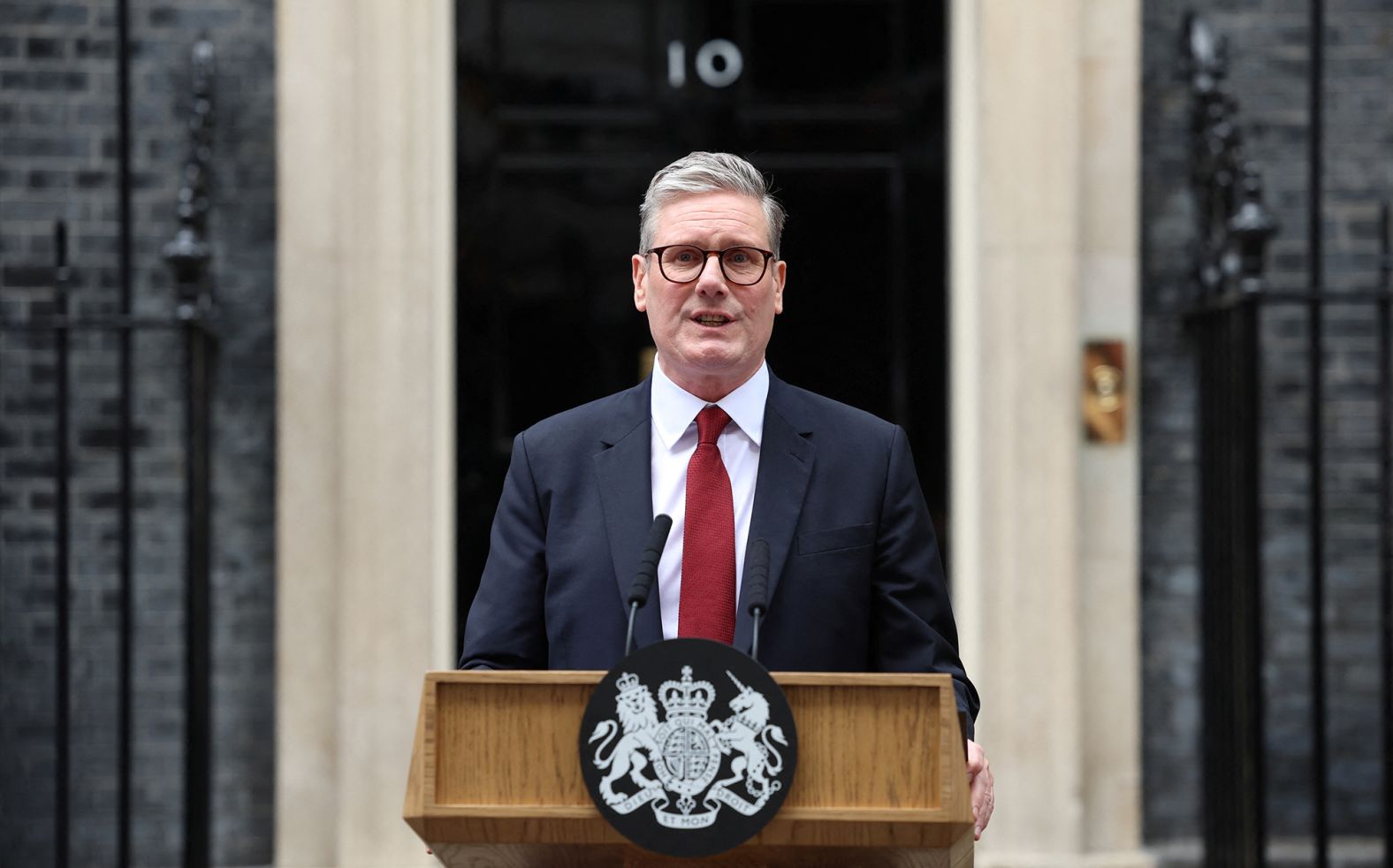
British Prime Minister Sir Keir Starmer is resisting calls to resign following a series of government departures and widespread criticism within the Labour Party. Despite pressure following recent local election results, Starmer stated on Tuesday that he intends to remain in office and continue governing, according to reporting by AP News.
Government Resignations and Internal Pressure
The stability of Sir Keir Starmer’s leadership has been challenged by a wave of resignations from his government. On Thursday, May 14, 2026, Health Secretary Wes Streeting resigned from the cabinet. In his resignation letter, Streeting stated he had “lost confidence” in Starmer’s leadership and claimed it was “now clear that you will not lead the Labour Party into the next general election,” according to the BBC.
Earlier in the week of May 14, 2026, four other members of the government also stepped down, including health minister Zubir Ahmed, an ally of Streeting. Scores of Labour MPs have publicly called for the Prime Minister to quit following what the BBC described as a “disastrous set of elections” for the party. The departures have created a vacuum in the senior ranks of the administration, as the government attempts to maintain continuity in the wake of the electoral losses that prompted the initial wave of dissent.
The Potential for a Leadership Contest
While Starmer remains in office, the mechanism for his potential removal is a subject of active debate within the party. Under Labour’s rules, a leadership contest can be triggered if a candidate secures the support of 81 House of Commons lawmakers, representing one-fifth of the parliamentary party, according to AP News.
Streeting’s camp has asserted that he possesses the necessary backing of 81 MPs to trigger such a contest, though he has not yet formally launched a bid. In his resignation letter, Streeting instead called for a “debate about what comes next.”
Education Secretary Bridget Phillipson has countered these developments, stating that Starmer retains the support of the cabinet and advising colleagues to “pause, take a breath as a party and try and draw a line under all of this,” the BBC reported. Phillipson’s intervention represents the most significant effort by a remaining cabinet member to stabilize the administration as internal factions continue to circulate letters of no confidence.
Party Dynamics and Future Leadership
The political environment surrounding Starmer’s leadership has included significant maneuvering regarding potential successors. Labour MP Josh Simons is standing down, a move that triggers a by-election intended to allow Greater Manchester Mayor Andy Burnham to return to Parliament. According to the BBC, Simons stated that Burnham would “drive the change our country is crying out for.”
Downing Street has indicated it will not block Burnham from becoming the Labour candidate in Makerfield. Meanwhile, Chancellor Rachel Reeves has aligned with Starmer, warning that any leadership contest would “plunge the country into chaos.” Reeves has been active in private meetings with backbenchers, attempting to persuade those who have expressed public dissatisfaction to remain loyal to the Prime Minister’s current policy agenda, emphasizing the risks that an internal power struggle poses to the party’s legislative program.
These events follow a period of significant political shift for the party. Starmer, who was elected Labour leader in 2020 after the resignation of Jeremy Corbyn, led the party to a landslide victory in the 2024 general election. However, the current unrest mirrors the volatility of previous leadership transitions, such as the 2022 mass resignations that forced the departure of Boris Johnson, as reported by AP News. Starmer has emphasized his determination to continue governing, even as speculation regarding his political future continues to mount.
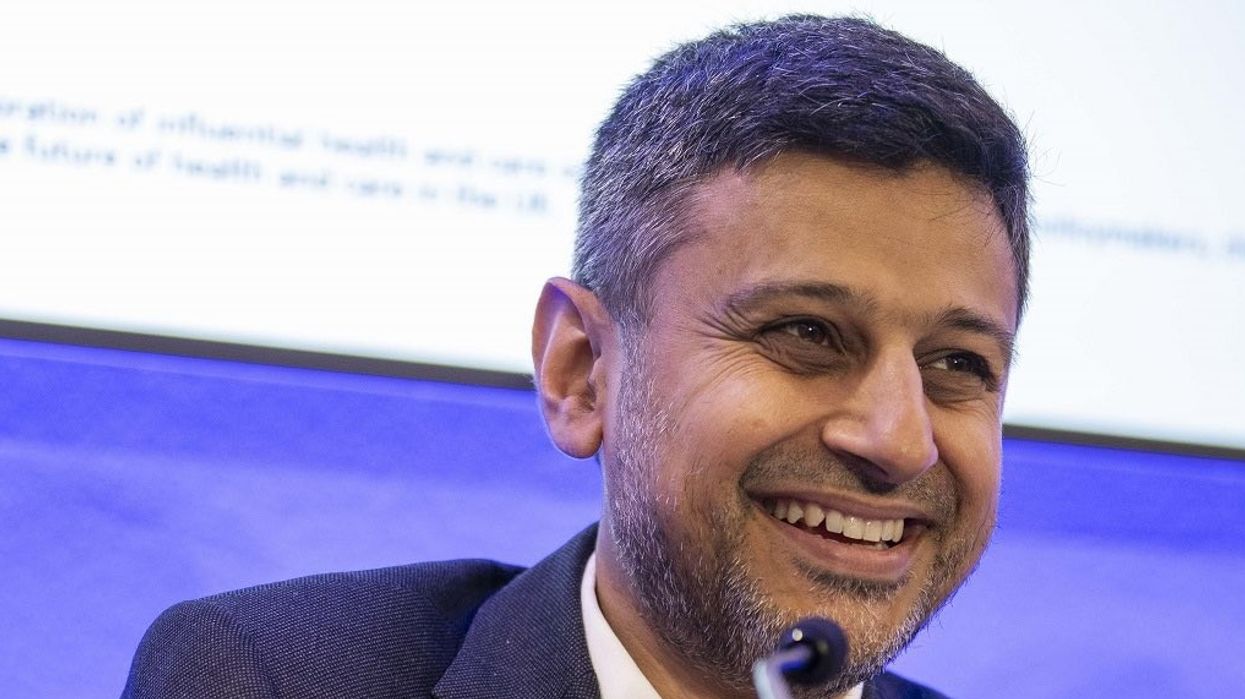
The parliamentary party remains divided, with various factions waiting to see if the threshold for a formal challenge is met in the coming days. The resignation of Zubir Ahmed, in particular, has been cited by political analysts as a signal that the rebellion is not limited to senior cabinet figures, but has extended into the ministerial ranks. As the party prepares for upcoming legislative sessions, the focus remains on whether Starmer can consolidate his support or if the momentum behind a leadership contest will force a shift in the party’s direction.
The timing of these events coincides with a period of intense scrutiny over the government’s handling of recent regional policy outcomes. While Downing Street officials maintain that the Prime Minister’s position is secure, the ongoing discussions within the parliamentary Labour Party suggest a period of prolonged instability. Starmer has scheduled a series of meetings with MPs this week, according to reports, in an effort to address the concerns raised by the departing cabinet members and to prevent further resignations from the government frontbench.
