
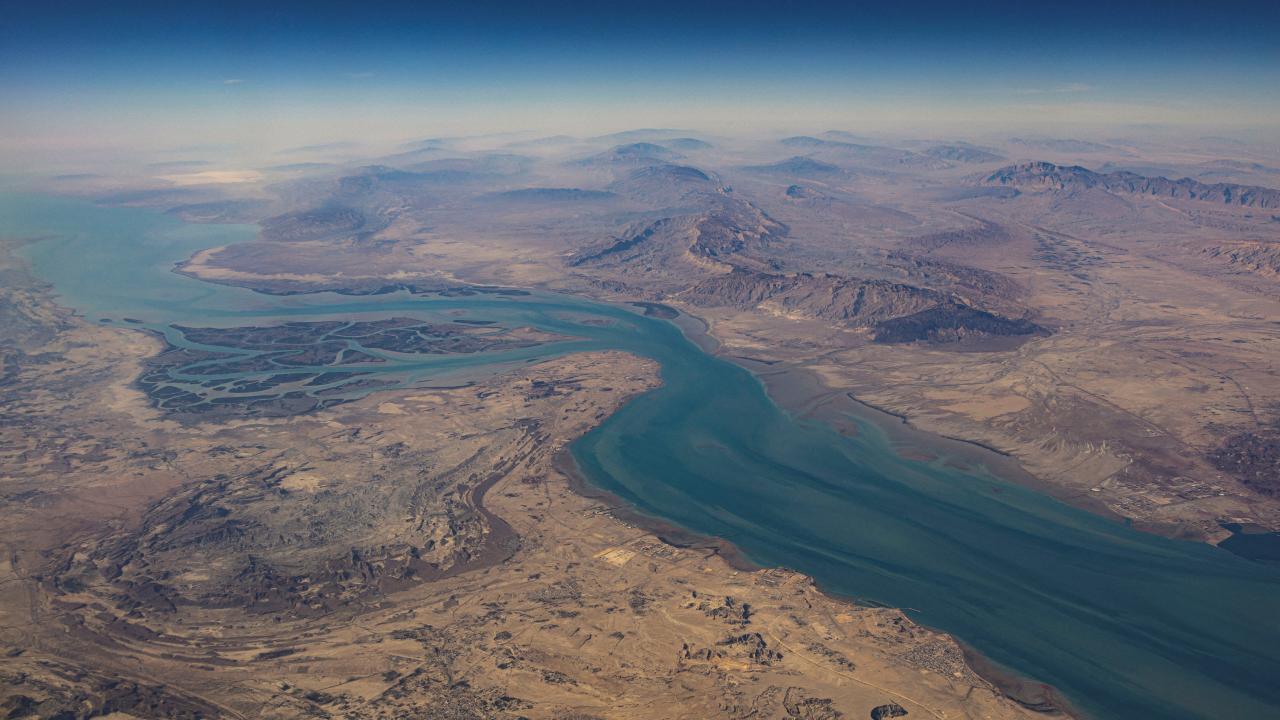
April 15, 2026 – The Strait of Hormuz has been reopened to commercial shipping, according to Iranian officials cited by multiple Turkish news outlets. The development follows a two-week ceasefire agreement between Israel and Lebanon, which included the reopening of the vital waterway as one of its conditions.
The reopening has triggered immediate reactions in global markets. Gold prices and stock indices rose sharply, even as oil prices declined, reflecting eased concerns over potential disruptions to energy supplies from the Gulf region. Approximately one-fifth of global oil shipments typically pass through the Strait of Hormuz, making its status a key factor in international energy markets.
Despite the reopening, U.S. President Donald Trump confirmed that a naval blockade of Iranian vessels in the strait remains in place. Speaking at an economic event in Las Vegas on April 13, Trump stated that the blockade would continue until a nuclear agreement is reached with Iran. He added that the process has been progressing well and that a resolution could be imminent.
Trump also reiterated his claim that Iran has agreed to surrender its stockpile of enriched uranium, which he referred to as “nuclear dust.” He said the material, believed to have been buried underground following U.S.-Israeli airstrikes in summer 2025, would be handed over as part of any deal. Iran has not publicly responded to these allegations as of the latest reports.
In a separate warning, Trump said any Iranian vessels approaching the U.S.-enforced blockade would be neutralized using the same counter-narcotics interception systems employed against drug-smuggling boats. He noted that 158 Iranian ships are currently believed to be resting on the seabed, with only a small number still operational in Tehran’s fleet.
The U.S. Central Command emphasized that the blockade targets only Iranian vessels and will not affect shipping to or from ports in Saudi Arabia, Qatar, or the United Arab Emirates.
The Strait of Hormuz, located between Iran, the United Arab Emirates and Oman, remains a critical chokepoint for global trade. Its reopening marks a significant development in regional diplomacy, though ongoing tensions over Iran’s nuclear program continue to shape the security environment in the area.
