

Norway’s barnehage debate has erupted into a culture war over childcare, parental freedom, and the role of the state—sparked by a 21-year-old student leader’s blunt claim that sending one-year-olds to daycare is a “sick culture.” The remark ignited a backlash from parents, educators, and politicians, exposing deep divisions over work-life balance, gender equality, and whether Norway’s childcare system prioritizes parents’ careers over children’s development.
A Student Leader’s Provocative Claim Ignites National Debate
On May 21, 2026, Ingrid Olina Hovland, leader of the Conservative Students’ Association (KrFU), told VG that she would never send a one-year-old to daycare—and called Norway’s near-universal enrollment of toddlers in childcare a “sick culture.” Her comments, made during a broader discussion about parental leave and work-life balance, struck a nerve in a country where 84% of Norwegian one-year-olds attend daycare, a statistic Hovland described as “extreme.”
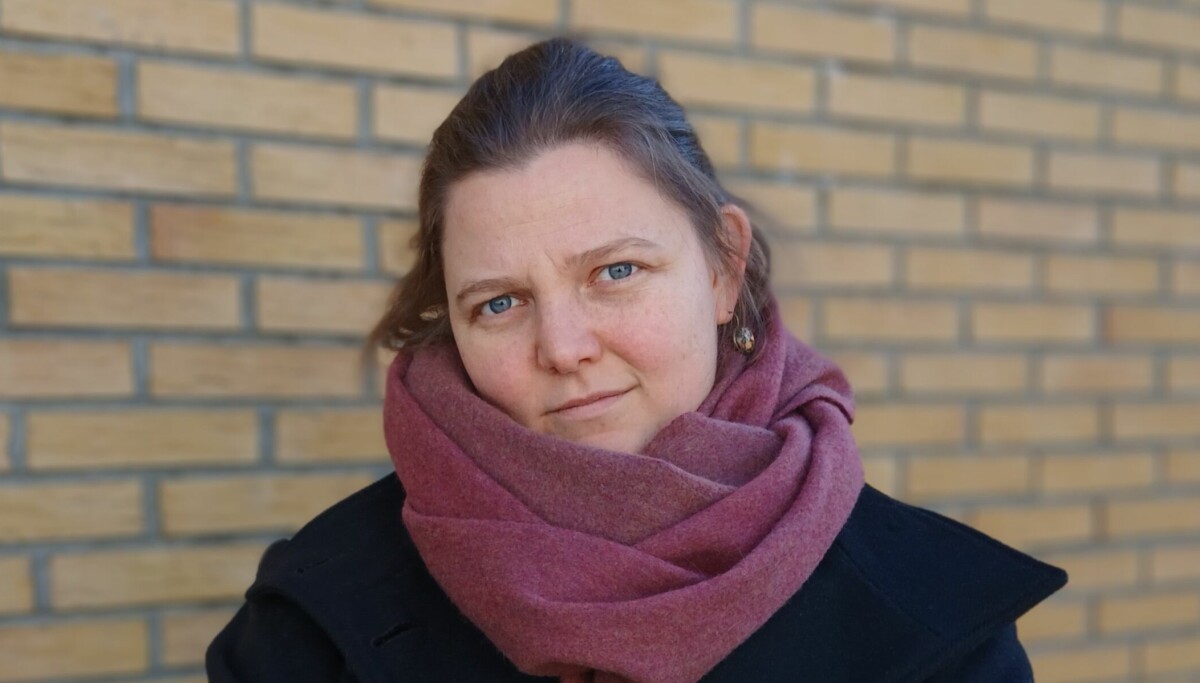
The backlash was immediate. TV personality Vida Lill Berge, whose three-year-old daughter has attended daycare since age one, accused Hovland of “pissing on educators” and dismissed her argument as ignorant of the realities faced by working parents. “The people who work in these daycares didn’t choose this job for the pay—they love children,” Berge said in an interview with VG. “They make the transition gentle. They’re trained for this.”
Why Norway’s Daycare System Is Both a Pride and a Point of Contention
Norway’s childcare model is a global outlier—not just for its accessibility, but for its ideological underpinnings. Since the 1970s, the country has systematically expanded public daycare to support working mothers, with the goal of reducing gender inequality in the workforce. Today, 95% of Norwegian children under three attend daycare, and the system is subsidized to the point where even low-income families pay no more than NOK 2,000–3,000 per month (roughly $180–270 USD). For parents like Berge, who works in television and relies on daycare to maintain her career, the system is a lifeline.
Yet critics like Hovland argue that the system has gone too far. “We’ve outsourced childcare to institutions when it should be a family responsibility,” Hovland told NRK. “This isn’t about shaming parents—it’s about recognizing that babies need their primary caregivers, not strangers, in their first years.” Her argument taps into a growing unease among some Norwegians about whether the country’s hyper-focus on female workforce participation has come at the expense of children’s emotional development.
“We’ve outsourced childcare to institutions when it should be a family responsibility.”
The Two Sides of Norway’s Childcare Divide
The debate splits largely along generational and ideological lines. Supporters of the current system, including Barneombud Mina Gerhardsen, Norway’s Children’s Ombudsman, argue that daycare is not just a convenience for parents—it’s a developmental benefit for children. “A good daycare is a gift for children, not part of a ‘sick culture,’” Gerhardsen wrote on Facebook, echoing research suggesting that high-quality early education can boost cognitive and social skills. For families like Berge’s, daycare isn’t a last resort—it’s a choice that allows them to combine work and parenting without financial ruin.

Opponents, however, point to what they call a “hamster wheel” dynamic: parents feel pressured to return to work quickly after maternity leave, often because the cost of staying home—lost income, reduced pensions, or the inability to afford housing—makes it impractical. “Being a stay-at-home parent has become a luxury,” wrote Irmelin Fossengen in Dagsavisen, noting that Norway’s soaring housing costs and stagnant wages make it nearly impossible for most families to opt out of the workforce.
Economic Realities vs. Developmental Concerns
- Supporters of early daycare: Argue it enables gender equality, reduces poverty, and provides structured learning for toddlers.
- Critics of early daycare: Claim it reflects a societal prioritization of work over family bonds, and that babies under two need primary caregiver attachment.
- The unspoken tension: Norway’s childcare system was designed to support all parents—yet in practice, it disproportionately benefits those with dual incomes or flexible work arrangements.
The Political Fallout: Is This a Culture War or a Policy Crisis?
Hovland’s comments have forced politicians to take sides in what Aftenposten called a “culture war in slow motion.” The Conservative Party, which has long championed parental leave expansions, now faces internal divisions: some members defend Hovland’s stance as a necessary challenge to “neoliberal family policies,” while others warn that attacking daycare risks alienating urban, professional voters who rely on it.
The debate also highlights a generational clash. Millennial and Gen Z parents, like Berge, often view daycare as non-negotiable—both for their careers and their children’s social development. But younger conservatives, like Hovland, are increasingly skeptical of what they see as an uncritical embrace of institutional childcare. “We’re not anti-work,” Hovland told NRK. “We’re pro-child.”
What’s Next? Three Possible Outcomes
- Policy tweaks: Expanded cash benefits for stay-at-home parents, or incentives for part-time work arrangements—though critics argue these won’t address the root issue of housing costs.
- Cultural shift: A normalization of “slow parenting,” where families prioritize time over income, but only feasible for those with financial security.
- Status quo: The system remains unchanged, with daycare seen as a non-negotiable pillar of Norwegian society—leaving critics like Hovland on the political margins.
The Bigger Question: Can Norway Square Work-Life Balance with Child Development?
The core tension in Norway’s childcare debate isn’t just about logistics—it’s about what society values most. Do we prioritize economic productivity and gender equality, even if it means separating infants from their primary caregivers? Or do we acknowledge that children’s emotional needs might sometimes trump parental ambition?

For now, the answer remains unresolved. Hovland’s remark has energized a fringe of the political right, but it’s unlikely to shift Norway’s childcare policies anytime soon. The system is too entrenched, too popular among parents, and too tied to the country’s economic model. Yet the debate exposes a quiet unease: in a nation that prides itself on work-life balance, are we outsourcing too much of parenting to institutions—and at what cost?
The next few months will tell whether this becomes a fleeting culture-war skirmish or the start of a broader reckoning over Norway’s childcare future. One thing is clear: the conversation has only just begun.
