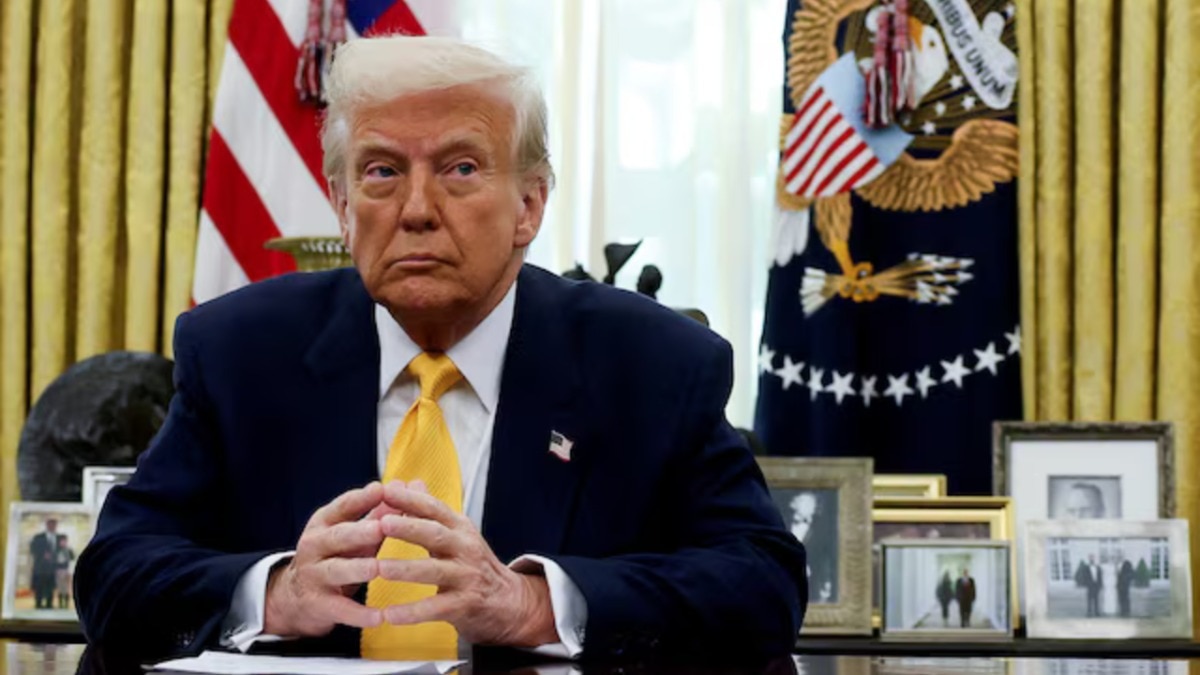
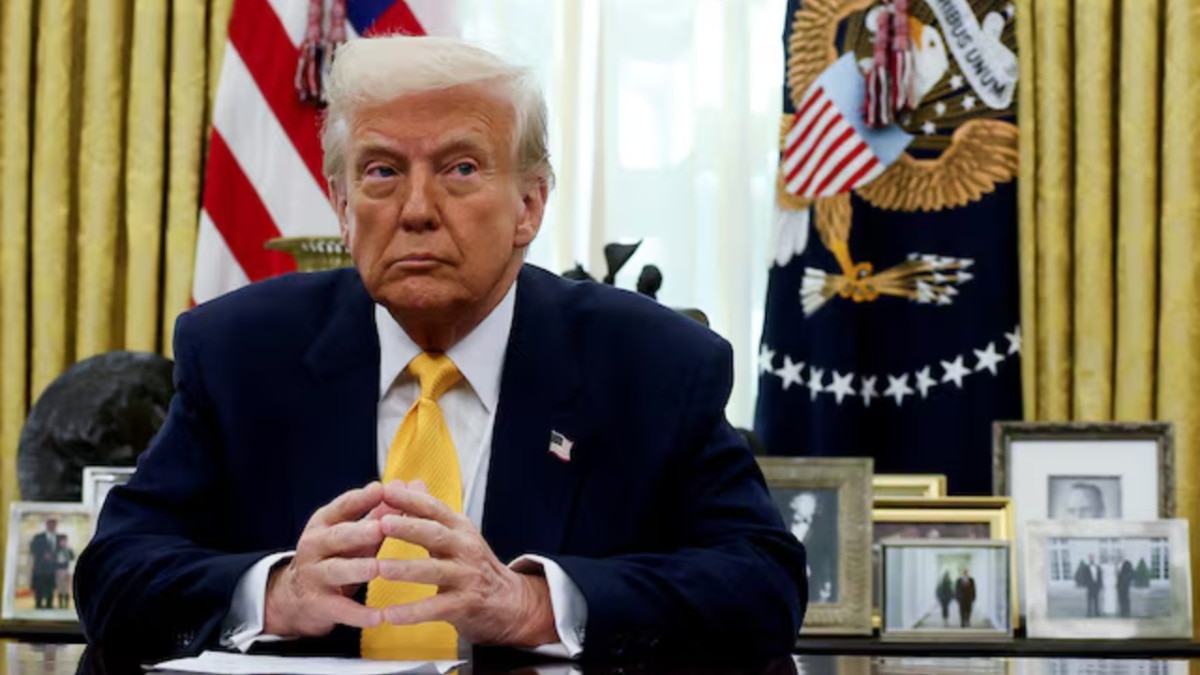
The United States and Iran are currently engaged in intense, indirect negotiations aimed at drafting a final agreement to de-escalate months of heightened military tension. According to reports from the Iranian news agency ISNA, the two nations are exchanging proposals through intermediaries in Oman to stabilize a volatile geopolitical standoff.
Diplomatic Channels and the Path to Negotiation
The movement toward a potential settlement follows a period of volatile brinkmanship that has left regional observers questioning the stability of the current U.S. strategy. As reported by Aaj Tak, the indirect talks involve the exchange of drafts and messages facilitated by Oman and other regional mediators. A high-ranking Iranian official confirmed to Al Jazeera that both parties are nearing a historic consensus, though diplomatic analysts caution that finalizing such a complex agreement remains a significant hurdle.
cluster (priority): state.gov
The shift toward the negotiating table highlights a perceived urgency in Washington. While the administration has signaled a desire for diplomatic engagement, these efforts have been punctuated by contradictory actions, including ongoing naval blockades near the Strait of Hormuz. The situation remains fluid, with NDTV noting that recent friction—including a reported incident where the U.S. Navy fired upon and halted an Iranian cargo vessel—occurred just hours after U.S. officials discussed sending a delegation to facilitate talks.
Strategic Strains and Regional Realities
The tension has created a difficult environment for the U.S. administration, which appears to be balancing aggressive posturing with a need for an exit strategy. Analysts suggest that the conflict has become increasingly difficult for the U.S. to manage, described by some as a scenario that the country can neither fully disengage from nor escalate without significant cost. This perceived strategic trap is widely cited as the primary driver behind the current push for a negotiated settlement.
cluster (priority): britannica.com
The geographic and historical context of the United States itself remains a backdrop to these global maneuvers. As detailed by Britannica, the U.S. spans a vast, diverse continent, with an interior lowland and mountain systems that have long shaped its isolationist and expansionist tendencies. The current administration’s approach to the Middle East reflects a modern departure from traditional diplomatic norms, often characterized by rapid shifts between threats of war and calls for dialogue.
Uncertainty in the Public and Political Sphere
The unpredictability of the current geopolitical climate is mirrored by a general sense of anxiety regarding the potential for further escalation. While diplomatic channels are open, the lack of transparency surrounding the specific terms of the proposed agreement leaves stakeholders in the dark. This tension is not limited to statecraft; it permeates the broader public discourse, where the stakes of a potential conflict—or a failed peace—are felt deeply.
In other spheres of public interest, the desire for clarity remains a common theme. For instance, in the entertainment sector, public figures are navigating their own forms of uncertainty. Discussing the dramatic conclusion of the first season of the series R.J. Decker, actress Jaina Lee Ortiz expressed personal concern over the fate of her character’s counterpart, telling US Magazine:
“I really hope he’s not dead.”
Iran Now Controls Strait of Hormuz: 'Ships Cannot Pass Without Iranian Approval' #shorts
Jaina Lee Ortiz, actress, via US Magazine
While the stakes in a television drama differ vastly from the life-and-death realities of international conflict, the sentiment reflects a broader climate of waiting for resolution. As of May 22, 2026, the international community continues to watch whether the back-channel negotiations in Oman will yield a substantive ceasefire or if the cycle of military provocation will resume. The U.S. Department of State has maintained its standard operational protocols regarding communications, though it has provided little insight into the specific mechanics of the ongoing Iran talks, according to official State Department records.
The coming weeks will likely determine whether the current push for a deal is a genuine turning point or merely a temporary pause in a larger, intractable conflict. For now, the administration’s ability to reconcile its internal contradictions—threatening force while simultaneously pursuing peace—will be the deciding factor in whether the current diplomatic window remains open.
Institutional Perspectives and Diplomatic Constraints
The broader implications of these talks extend to the international community, which remains concerned about the potential for miscalculation. Diplomatic observers note that the reliance on third-party intermediaries—specifically Oman—suggests a lack of direct trust between the two capitals. This mediated approach is designed to prevent public embarrassment for either side, allowing for the exchange of sensitive proposals without the immediate scrutiny of a high-level, face-to-face summit. However, this method also slows the pace of negotiations, creating a lag between the cessation of hostilities and the formalization of any lasting truce.
cluster (priority): news.google.com
Furthermore, regional power dynamics continue to complicate the U.S. position. Officials from neighboring states have expressed concerns that a sudden withdrawal or a premature deal could create a power vacuum in the Persian Gulf. These concerns have been communicated through various diplomatic channels, urging Washington to consider the broader stability of the region rather than focusing solely on the immediate bilateral tension with Tehran. The U.S. administration, however, has not publicly detailed how it intends to address these regional anxieties while concurrently pursuing an agreement with Iran. The lack of an integrated regional strategy remains a point of contention among international partners, many of whom are waiting for a more comprehensive articulation of the U.S. policy goals.
As the administration navigates these delicate discussions, the internal pressure from both political opponents and proponents of a diplomatic solution continues to mount. The absence of a formal, public-facing timeline for the negotiations has contributed to a sense of instability, with domestic commentators frequently questioning the efficacy of the ongoing back-channel process. Despite these criticisms, the administration maintains that the current path is the most viable option for preventing an open-ended military confrontation.
Public expectations and media speculation continue to amplify uncertainty, leaving both policymakers and citizens awaiting definitive outcomes. The interplay between the stated goals of the administration and the reality of the ongoing maritime and military friction suggests that the path to a durable agreement will be fraught with challenges, requiring consistent diplomatic effort and, ultimately, a willingness from both sides to compromise on core security demands.
Bio:
John Smith is the World Editor at Headlinez.News, leading the global news desk and overseeing international correspondents. With 15 years of field experience across Europe, the Middle East, and Asia, John has reported from conflict zones, summits, and humanitarian missions. His deep understanding of geopolitical trends and cross-cultural reporting ensures that readers receive accurate, balanced perspectives on world events that shape the global narrative.
Expertise: International reporting, geopolitics, diplomacy, conflict journalism, foreign policy analysis.
Location: London, United Kingdom