
Hidden Noise Pollution: Everyday Sounds Linked to Increased Stress and Health Risks
Mounting evidence suggests that constant exposure to everyday sounds, even at seemingly harmless levels, is contributing to chronic stress, impacting heart health, and diminishing cognitive function.
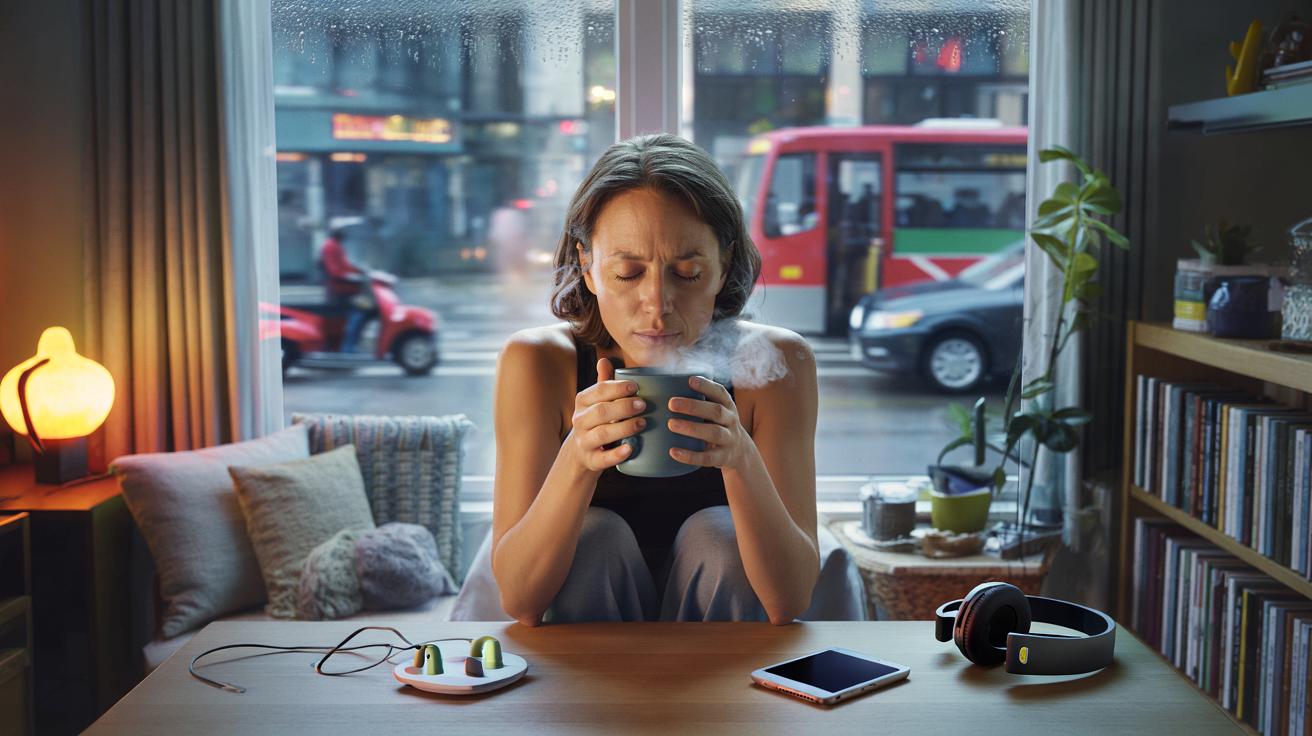
The pervasive “soundscape” of modern life – traffic, appliances, conversations, and digital notifications – doesn’t register as danger, yet triggers a continuous, low-level stress response in the body. This constant state of alert leads to muscle tension, elevated cortisol levels, and a reduction in attention span, often unnoticed until a sudden quiet moment reveals the accumulated strain. Researchers are increasingly concerned about the cumulative effect of this “drip, drip, drip” of sound stress, as it can subtly erode well-being.
Studies show a correlation between long-term environmental noise and increased risks of heart disease and anxiety, particularly when nighttime noise disrupts sleep. A normal conversation registers around 60 decibels (dB), while a vacuum cleaner operates near 70 dB, and a blender can spike to 90 dB; a 10 dB increase is perceived as roughly twice as loud. The brain reacts most strongly to unpredictable or uncontrollable sounds, constantly scanning for what comes next, which drains mental resources. For more information on the effects of noise on health, visit the World Health Organization’s noise page.
Experts recommend a “sound diet” focusing on intensity, duration, and meaning. Simple adjustments like softening closures, adding rugs, and creating designated “quiet slots” throughout the day can significantly reduce stress. Protecting your hearing with earplugs or noise-cancelling headphones should be done in moderation, alternating with periods of natural sound exposure to maintain auditory flexibility. You can find more tips on creating a peaceful home environment at the Environmental Protection Agency. This growing awareness of the impact of everyday noise is prompting a re-evaluation of urban planning and workplace design.
Health officials are urging individuals to be mindful of their sonic environment and to prioritize creating moments of quiet and calm in their daily routines.
