
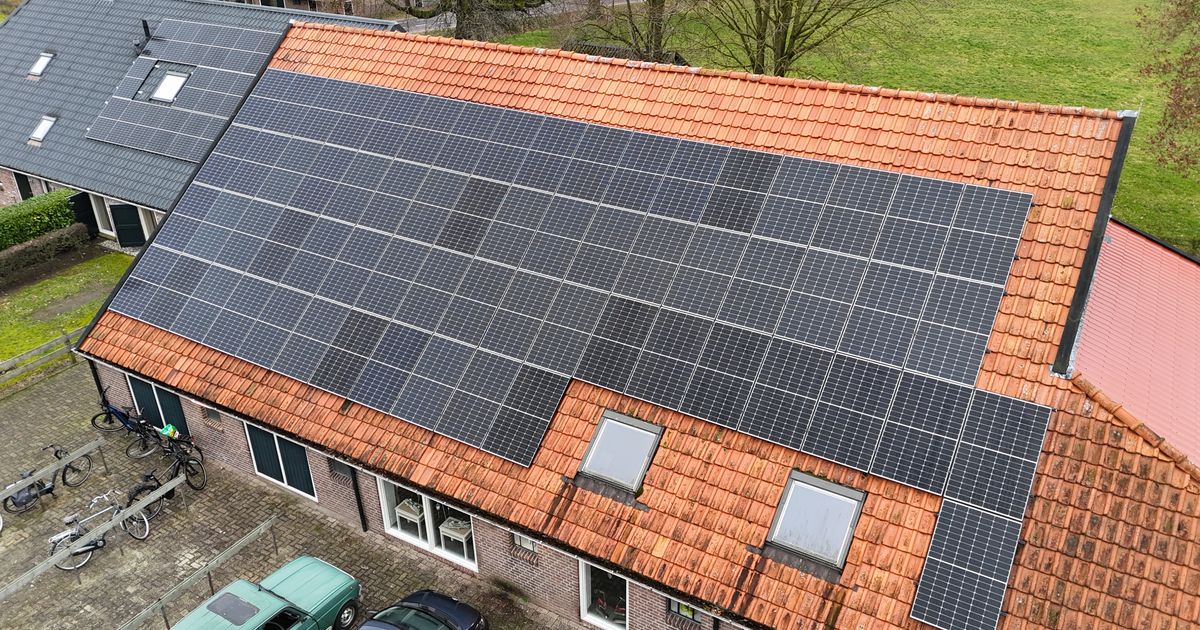
Owners of solar panels in the Netherlands will see their electricity bills rise significantly starting in 2027 as the country’s net metering scheme, known as salderingsregeling, is set to be abolished.
The policy change, confirmed by multiple Dutch sources, will capture effect on January 1, 2027. Under the current system, households with solar panels can offset the electricity they generate against their total consumption, effectively reducing their annual bill. After the reform, that offset will no longer be permitted.
Instead, solar panel owners will continue to receive a fee for excess electricity fed back into the grid, but this compensation will be subject to new rules. The government has mandated a minimum reimbursement of at least 50% of the supply tariff — excluding taxes and VAT — for each kilowatt-hour returned to the network.
households may face new charges for returning power to the grid, shifting from a daily fee based on usage tiers to a per-kilowatt-hour cost. This marks a significant shift from the previous model, where such fees were often bundled or negligible under net metering.
The Dutch government cited two main reasons for ending the policy: growing strain on the electricity grid due to simultaneous solar feed-in during peak sunlight hours and a desire to encourage consumers to use more of their self-generated power directly, rather than relying on the grid as a virtual battery.
Industry analysts and consumer groups warn that the change could extend the payback period for solar investments and reduce the financial appeal of rooftop systems, particularly for households that currently generate more electricity than they consume.
While solar panels will remain a viable long-term investment, experts suggest that maximizing on-site consumption — through energy storage, smart appliances, or shifting usage to daylight hours — will become increasingly important to maintain savings under the new framework.
The transition away from net metering aligns with broader European trends, as several countries reassess incentive structures amid rising renewable penetration and evolving grid management challenges.
