
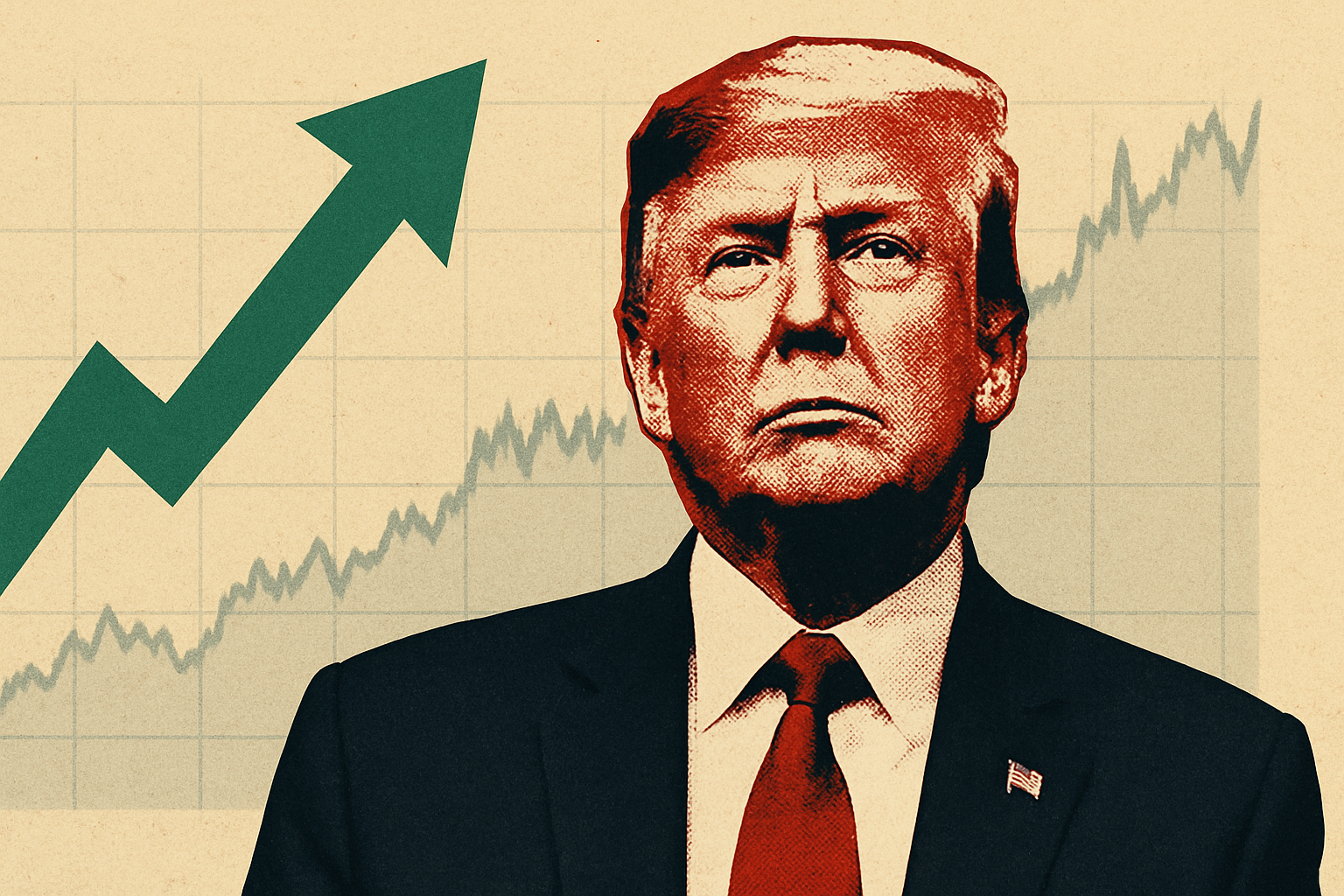
Stocks Rebound Sharply After Trump Tariff Threat, Signaling Market Resilience
U.S. stocks staged a significant recovery Monday, regaining more than half of the losses from a sharp sell-off Friday triggered by former President Trump’s renewed threats of tariffs on China, demonstrating the market’s sensitivity to geopolitical events.
The S&P 500 rose 1.56% yesterday, following a 2.7% drop on Friday when Trump initially signaled a potential escalation in trade tensions. He subsequently softened his stance on Sunday with a post on Truth Social, reassuring investors and contributing to the rebound. This volatility mirrors a similar pattern observed in April, dubbed “Liberation Day,” where initial tariff concerns ultimately favored those who remained invested. The quick reversal highlights the ongoing uncertainty surrounding U.S.-China trade relations, a key factor influencing global economic forecasts.
Yardeni Research founder Ed Yardeni anticipates a deal between the U.S. and China to avert a deep global recession, stating, “The odds favor Teams Trump and Xi stepping back from the brink and avoiding the deep global recession all this would likely cause.” However, Morgan Stanley strategist Michael Wilson cautioned that a correction was already likely due to valuation concerns, and a larger sell-off – potentially a 10-15% drop in the S&P 500 – remains possible if trade talks fail. Despite this, Wilson noted that recession risks are diminishing, and the current bull market still appears to be in its early stages, as detailed in recent market analysis.
Beyond the trade concerns, the market is also buoyed by expectations of further Federal Reserve rate cuts and strong momentum in artificial intelligence. The current bull market, now in its third year, has seen an 83% increase in the S&P 500, significantly less than the average 191% gain during previous bull runs. Treasury Secretary Scott Bessent indicated that a further escalation in tariffs isn’t inevitable, suggesting potential talks in the coming weeks and a possible meeting between the presidents in South Korea.
Officials indicated that further developments will depend on upcoming negotiations and the willingness of both sides to de-escalate tensions.
