
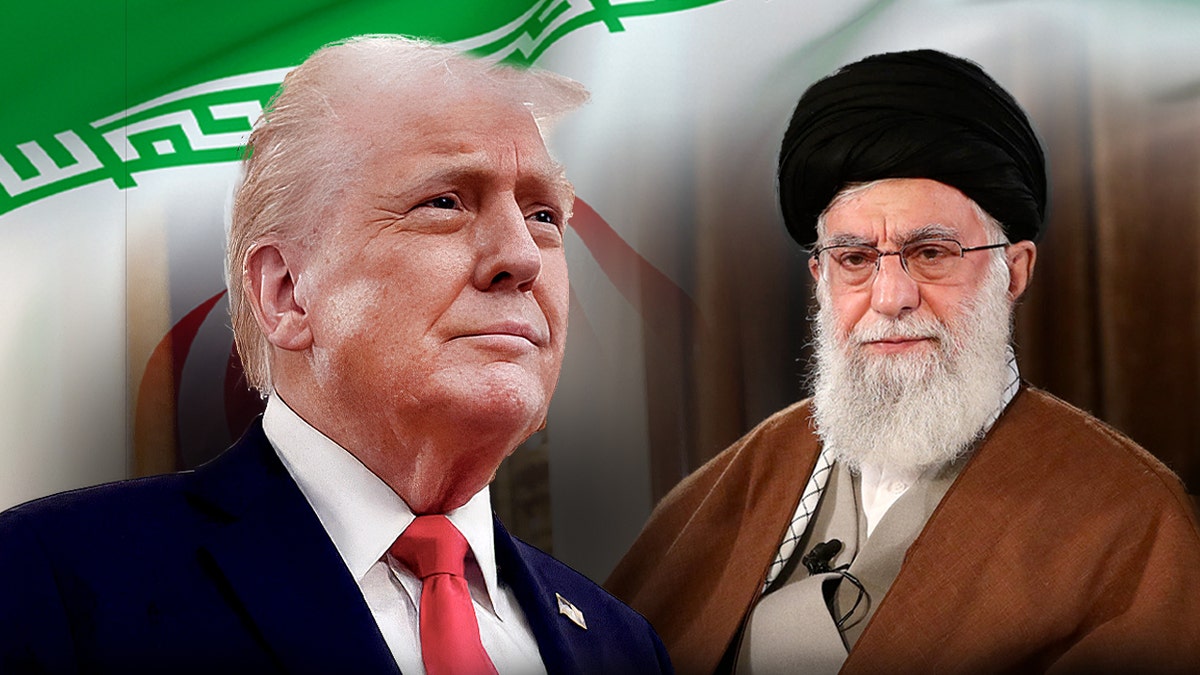
On April 7, 2026, President Donald Trump announced a two-week ceasefire agreement with Iran, brokered through mediation by Pakistan. The announcement came following discussions with Pakistani Prime Minister Shehbaz Sharif and Army Chief General Asim Munir, who urged Trump to delay planned military strikes against Iran.
According to the agreement, the United States will halt all bombing and attacks on Iran for two weeks, contingent on Iran fully, immediately and safely opening the Strait of Hormuz to commercial shipping. Trump stated that the pause would allow time to finalize a broader, long-term peace deal, noting that significant progress had already been made toward such an agreement.
The ceasefire proposal originated from Pakistan on April 5, 2026, as part of a broader 45-day, two-phase framework aimed at ending the 2026 Iran conflict and the associated Strait of Hormuz crisis. While Iran initially rejected the proposal, it later presented its own ten-point plan, which U.S. Officials deemed a viable basis for negotiation.
Trump emphasized that the U.S. Had already achieved and exceeded its military objectives in the conflict, and that the ceasefire would create space for diplomatic resolution. He described the agreement as a bilateral understanding between the United States and Iran, facilitated by Pakistan’s mediation efforts.
The development follows weeks of escalating tensions, during which Trump had warned that failure to reopen the Strait of Hormuz would result in attacks on Iranian infrastructure, including power plants and bridges — actions that international legal experts have warned could constitute war crimes under international law.
Iran’s National Security Council later confirmed its acceptance of the ceasefire, characterizing it as a diplomatic victory and asserting that the United States had agreed to Iran’s conditions. The pause in hostilities is intended to allow both sides to negotiate a more durable settlement.
The agreement underscores the strategic importance of the Strait of Hormuz, a critical chokepoint for global energy supplies, and highlights the role of regional intermediaries in de-escalating conflicts involving major powers.
