
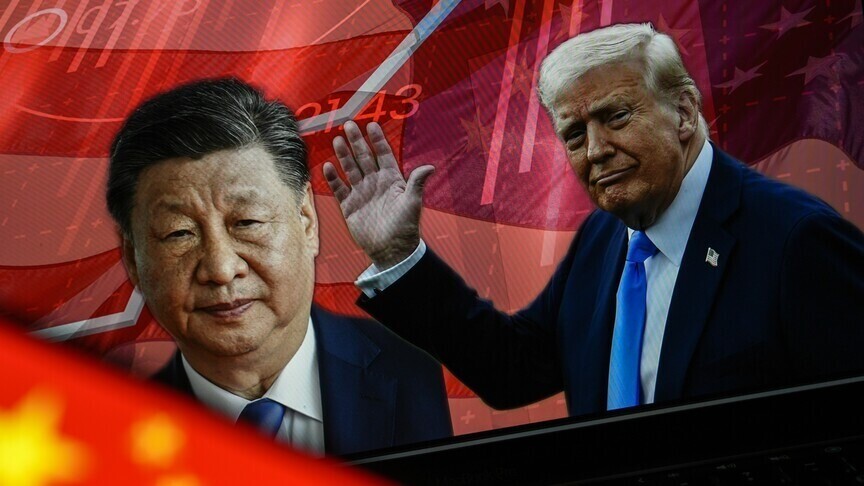
Trump Arrives in Beijing for High-Stakes Summit with Xi Jinping Amid Iran War Tensions
U.S. President Donald Trump arrived in Beijing on May 13, 2026, for a high-stakes two-day summit with Chinese leader Xi Jinping, marking the first visit by an American president to China in nearly a decade. The meeting comes at a volatile moment for global diplomacy, as the world’s two largest economies attempt to reframe their trade relationship while navigating a fractured geopolitical landscape.

The summit is taking place against the backdrop of the ongoing war with Iran, a conflict that has entered its third month and continues to cast a long shadow over the diplomatic talks. With Tehran tightening its control over the Strait of Hormuz and Washington struggling to secure a lasting settlement from a fragile ceasefire, the conflict is expected to be a central point of discussion. President Trump is anticipated to press President Xi to utilize China’s influence to help reopen the vital shipping lane and encourage Iranian negotiations.
Addressing reporters before his departure from the White House on May 12, 2026, Trump sought to downplay the divisions between Washington and Beijing, noting that Xi had been “relatively excellent” during the crisis. Regarding the conflict in the Middle East, Trump stated, “I don’t think we need any help with Iran. We’ll win it one way or the other – peacefully or otherwise,” while insisting that the U.S. Has the situation “very much under control.”
The visit, the first since Trump’s 2017 trip to China, represents a significant shift in dynamics. Since then, Beijing has evolved into a high-tech power and upgraded its export capabilities, while President Xi has consolidated authority by extending his rule beyond official term limits. This summit is only the second in-person meeting between the two leaders since Trump returned to the White House, following their October 2025 summit in Busan, South Korea.
Accompanying the president is a delegation of prominent tech leaders, including Elon Musk of Tesla and Tim Cook of Apple. The inclusion of these industry titans underscores the critical role of technology and artificial intelligence on the agenda. Both nations are expected to explore cooperation on managing AI risks, though frictions regarding tech and critical minerals remain.
Trade and economic cooperation will also be pivotal. Discussions are likely to focus on the extension of the current trade truce and potential increases in Chinese purchases of U.S. Energy, agricultural products, and Boeing aircraft. However, the issue of Taiwan remains a primary friction point; Beijing is expected to push for a reduction in U.S. Support for the self-governing democracy, while Washington aims to maintain stability in the Taiwan Strait.
Despite the gravity of the diplomatic challenges, the visit will include the traditional pomp and circumstance favored by the U.S. President, including a state banquet and a tour of the Temple of Heaven. In a characteristic display of optimism, Trump remarked before the trip that he expected President Xi would “give me a substantial, fat hug when I get there.”
The outcome of these two days of talks could significantly influence the international system, as both leaders attempt to balance their national interests against the risk of further global instability. Whether the summit results in major breakthroughs or modest agreements, the dialogue underscores the indispensable—yet strained—nature of the U.S.-China relationship in a multipolar world.
