
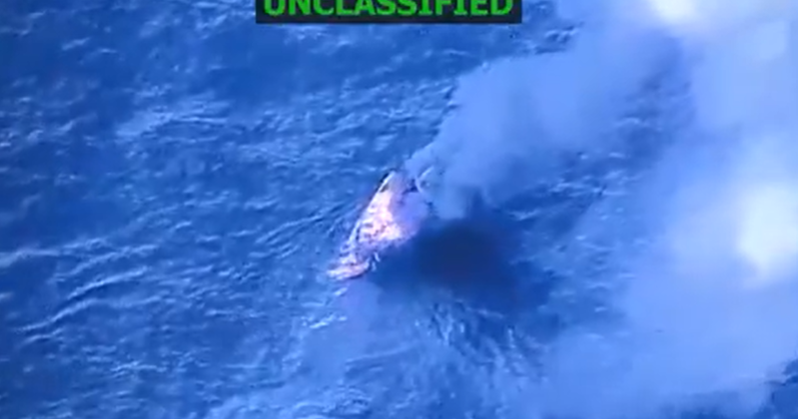
UN Condemns U.S. Military Strikes Against Suspected Drug Boats
The United Nations human rights chief condemned U.S. military strikes in the Caribbean Sea and eastern Pacific Ocean targeting boats allegedly carrying illegal drugs, calling the actions “unacceptable” and demanding an immediate halt to the operations.
U.N. High Commissioner for Human Rights Volker Türk called for an investigation into the strikes, which have resulted in at least 61 deaths across 15 incidents since early September. Spokeswoman Ravina Shamdasani relayed Türk’s message today, stating, “These attacks and their mounting human cost are unacceptable. The U.S. must halt such attacks and take all measures necessary to prevent the extrajudicial killing of people aboard these boats.” Türk believes the airstrikes violate international human rights law, even as the U.S. justifies the campaign as a necessary escalation to stem the flow of narcotics into the country.
Yesterday, U.S. Defense Secretary Pete Hegseth announced the latest strike, which killed four people on a vessel in the eastern Pacific Ocean. The Trump administration recently determined the U.S. is in a “non-international armed conflict” with designated terrorist organizations, including the Venezuelan gang Tren de Aragua, and has referred to those killed in the strikes as “unlawful combatants” – a term previously used in the context of counterterrorism efforts following 9/11. This move raises questions about the scope of presidential authority and the need for congressional authorization for military action, as detailed by the Congressional Research Service here.
The strikes have drawn criticism from regional leaders, including Colombian President Gustavo Petro, who has questioned their legality. The U.S. has responded by sanctioning Petro, accusing him of allowing drug cartels to flourish. Shamdasani emphasized that international consensus views combating drug trafficking as a law-enforcement issue with “careful limits” on the use of lethal force, permissible only as a last resort against an imminent threat to life; otherwise, it constitutes extrajudicial killings. These actions are occurring outside of a declared armed conflict, further complicating the legal landscape.
U.N. officials have indicated they will continue to press the U.S. for answers and a cessation of the strikes, while the administration maintains its position that these measures are vital to national security.
