

A Tournament Defined by Political Shadow
When the eleventh World Cup arrived in Argentina, the country was governed by a military junta led by General Jorge Videla. Amidst a backdrop of severe repression and the disappearance of citizens, the tournament became a focal point for international controversy. According to reporting by Muktokontho, some European nations considered boycotting the event, and the Dutch Labor Party famously called for their team to stay home. While the Netherlands ultimately competed, they did so without their legendary playmaker, Johan Cruyff.
The political atmosphere permeated the event. The infamous Navy Mechanics School, a site of systematic torture, was located only a few hundred meters from the Estadio Monumental, which hosted the final match. During broadcasts, anti-government guerrilla groups occasionally hacked radio and television signals to air speeches from exiled leader Mario Firmenich. Following Argentina’s final victory, General Videla addressed the press, stating:
> We have shown the world that Argentina stands with its head held high today.Jorge Videla, Military Leader of Argentina
The Omission of Diego Maradona
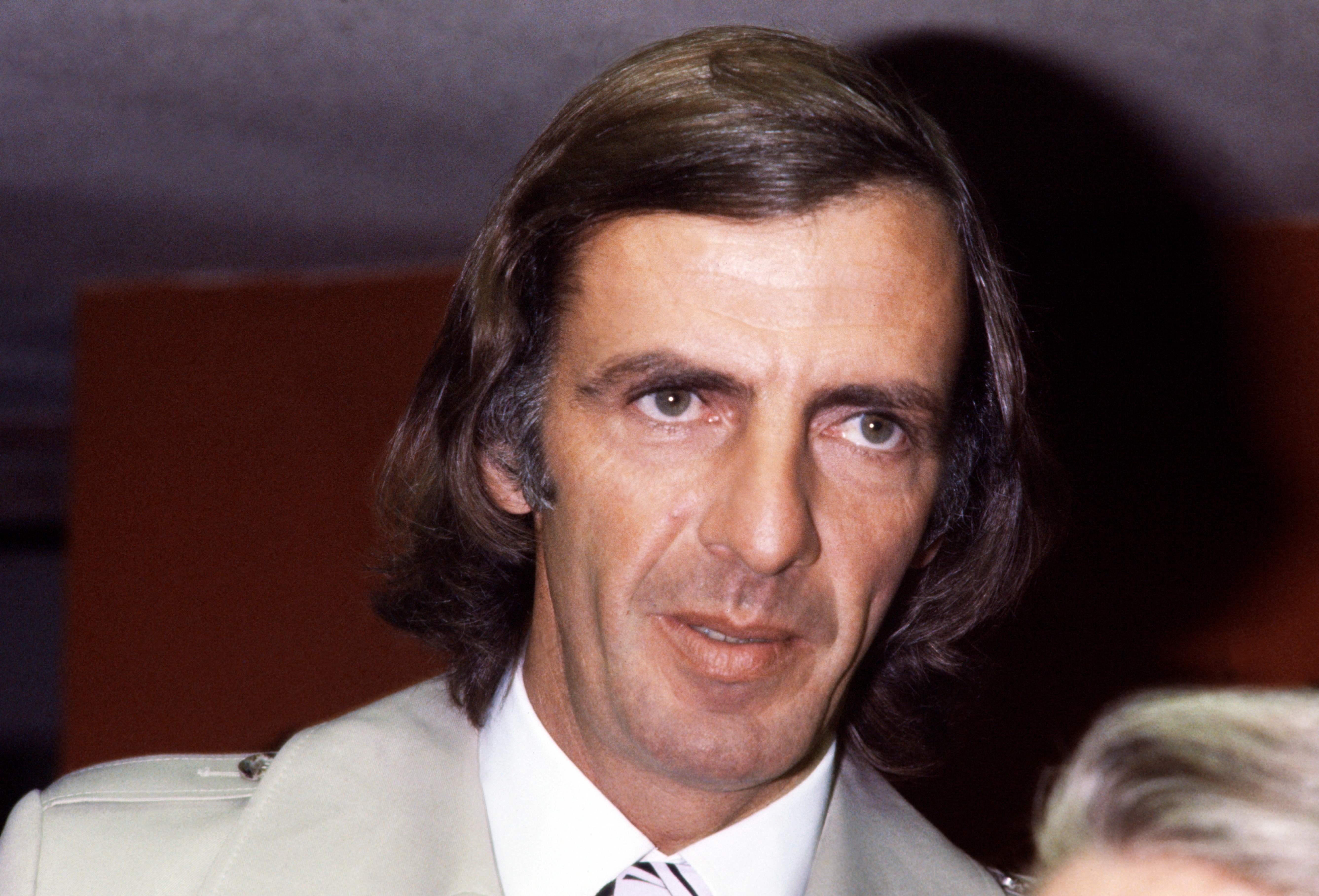
One of the most enduring stories of the 1978 tournament is the exclusion of a young Diego Maradona from the national squad. On May 19, 1978, at the Salvatori Foundation training ground, coach César Luis Menotti announced the final roster of 22 players, cutting three individuals. Assistant coach Roberto Saporiti had reportedly questioned the decision to drop the 17-year-old Maradona after witnessing his performance in practice.
The coach’s response remained firm. Menotti later reflected on the decision four decades later, acknowledging the weight of his choice.
> Life is about decisions. In ’78, I left Diego out. If someone asks me today if I was wrong, I would say probably, very probably it was a mistake.César Luis Menotti, Head Coach of Argentina
Maradona was visibly distraught upon his exclusion, leaving the training camp in tears. Despite the personal heartbreak, reports indicate that he called Menotti on the eve of the final to offer his support to the team, signaling his future commitment to the national cause.
Operational Chaos and Unusual Incidents
The tournament was marked by logistical peculiarities and intense competition. The Polish team, coached by Jacek Gmoch, arrived in Buenos Aires with an unexpected amount of baggage that drew the attention of customs officials: 380 bottles of vodka. While the coach permitted his players to smoke and drink, he imposed a condition that consumption remain within a “tolerable limit.” With 35 members in the Polish contingent, this amounted to just over 10 bottles per person.
On the pitch, the group stage saw a stark disparity in performance. During a match against Mexico, Germany dominated with a 6-0 victory. The intensity of the play resulted in the Mexican goalkeeper, Pilar Reyes, being carried off the field with a serious injury. His substitute, Pedro Soto, later recounted a grimly humorous exchange in the dressing room after the match.
> It was a draw. They gave you three, and they gave me three as well.Pedro Soto, Mexican Goalkeeper
The Brazilian Tragedy

The tournament format, which utilized a complex second-round group system, led to what is often described as a sporting tragedy for Brazil. Despite remaining undefeated throughout the entire tournament, Brazil failed to reach the final. After defeating Peru and Poland and drawing with Argentina, Brazil was edged out by Argentina on goal difference. Consequently, the Brazilian squad was relegated to the third-place play-off against Italy, leaving them without the title despite their unbeaten record. As the tournament concluded, it left behind a legacy of both tactical innovation—such as Dick Nanninga becoming the first substitute to score in a World Cup final—and deep-seated historical debate.
