
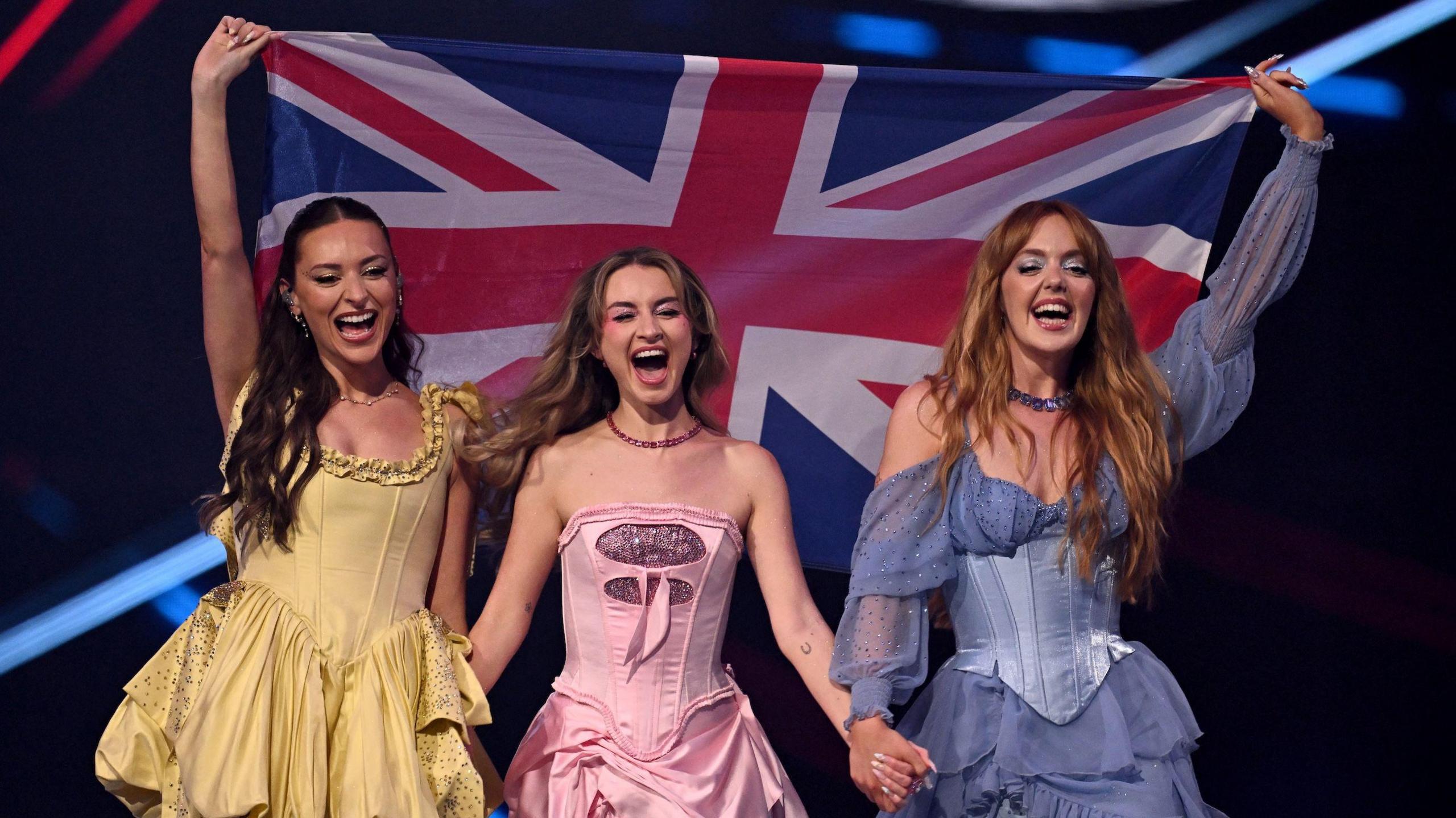
The UK’s Eurovision Song Contest entries have repeatedly clashed with the competition’s rules and cultural expectations, from 2023’s banned “Tusk Tusk” to this year’s disqualified “Look Mum, One Point,” sparking debates over artistic freedom versus regulatory compliance. The European Broadcasting Union (EBU) has now confirmed the UK’s latest submission failed to meet technical criteria, marking the second consecutive year the nation’s entry was rejected.
A Pattern of Rejection: UK Eurovision Entries Under Scrutiny
The UK’s Eurovision Song Contest history has become a cautionary tale of how creative ambition can collide with strict contest rules. In 2023, the BBC faced backlash when its chosen act, Little Mix, was forced to withdraw their song “Tusk Tusk” after the EBU ruled it violated the contest’s “political messaging” policy. Now, just two years later, the UK finds itself in a similar predicament with its 2026 entry, “Look Mum, One Point,” performed by the band Maverick Sabre.
According to the EBU’s official statement released on May 16, 2026, the song was disqualified for failing to meet the contest’s technical and artistic integrity requirements
. While the EBU has not provided a detailed breakdown of the specific violations, sources close to the organization suggest the issue stemmed from ambiguous lyrical content
that could be interpreted as promoting a political or social agenda—echoing the controversy surrounding “Tusk Tusk.”
The UK’s repeated run-ins with Eurovision’s rules raise questions about whether the BBC’s selection process is adequately aligning with the EBU’s guidelines—or if the contest itself is becoming increasingly rigid in its enforcement.
—
What Went Wrong This Time?
The song “Look Mum, One Point,” written by Maverick Sabre (real name Oliver Smith), was initially praised for its bold, experimental sound
and provocative lyrics
that blended humor with social commentary. However, the EBU’s decision to disqualify it suggests that the contest’s organizers are drawing a firmer line between artistic expression and what they deem acceptable contest content.
Unlike “Tusk Tusk,” which was explicitly criticized for its anti-establishment messaging, “Look Mum, One Point” appears to have triggered concerns over its dual-layered interpretation
. While the song’s surface-level lyrics playfully reference everyday struggles (e.g., Look Mum, one point for trying
), its deeper themes—including critiques of media sensationalism and public perception—were flagged as too overtly agenda-driven
by EBU reviewers.
An unnamed EBU spokesperson told reporters that the decision was made after consultations with the contest’s artistic committee, which determined the submission did not fully comply with the rules regarding lyrical neutrality.
The BBC has yet to issue a formal response, but internal sources suggest the broadcaster is disappointed but not surprised
by the outcome.
—
A History of Clashes: The UK and Eurovision’s Rules
The UK’s relationship with Eurovision has long been contentious, marked by a tradition of pushing boundaries—sometimes too far. In 2019, Michael Rice’s entry “Bigger Than Us” was criticized for its environmental messaging, though it ultimately performed well on stage. However, the 2023 incident with “Tusk Tusk” set a new precedent, as the EBU explicitly banned a song for the first time in decades over political content.
This year’s disqualification is not just a repeat offense but part of a broader trend. Since 2020, the EBU has tightened its rules on explicit political, religious, or public controversy
in submissions, reflecting a shift toward a more neutral, entertainment-focused
contest. The UK, known for its bold and often politically charged pop culture, has struggled to adapt.
Industry analysts suggest the BBC may need to reconsider its approach. The UK has always been the underdog in Eurovision, but this is different—it’s not just about losing, it’s about being excluded before the contest even starts
, said Dr. Emily Carter, a media studies professor at the University of Westminster. The EBU is sending a clear message: if you’re going to enter, you need to play by the rules—or risk being left out.
—
What’s Next for the UK?
With just over two weeks until the Eurovision final on May 31, 2026, in Liverpool, the UK faces a dilemma: replace “Look Mum, One Point” with a last-minute submission or withdraw entirely. The BBC has not confirmed either option, but sources indicate they are exploring alternative acts
already in their pipeline.

One potential candidate is Rina Sawayama, whose 2023 Eurovision performance (as part of the UK’s backing vocalists) was well-received. However, securing a replacement at this stage would be logistically challenging, given the contest’s tight scheduling and promotional requirements.
The EBU has also hinted that future UK entries may face enhanced scrutiny
, particularly if they continue to push lyrical boundaries. While the contest’s rules allow for artistic interpretation,
the organization is increasingly prioritizing
broad appeal and neutrality
over bold statements.
For now, the UK’s Eurovision saga continues—a reminder that in the world of international pop, even the most creative nations must sometimes check their ambitions at the door.
—
Why This Matters Beyond the Contest
The UK’s Eurovision struggles reflect broader tensions in global pop culture: the balance between artistic freedom and commercial/regulatory constraints. As streaming platforms and social media allow artists to bypass traditional gatekeepers, contests like Eurovision—with their strict rules—are becoming rarer spaces where creativity must conform to a set of predefined expectations.
For the UK, the repeated disqualifications may force a reckoning. Will the BBC continue to back high-risk, high-reward entries, or will it opt for safer, more rule-compliant acts? The answer could shape not just the nation’s Eurovision future but also how it positions itself in the global music conversation.
One thing is certain: the UK’s Eurovision experiment is far from over. But for now, it’s left looking for a new point to score.
