
US Deploys 10,000 Additional Troops to Middle East to Pressure Iran Amid Naval Blockade
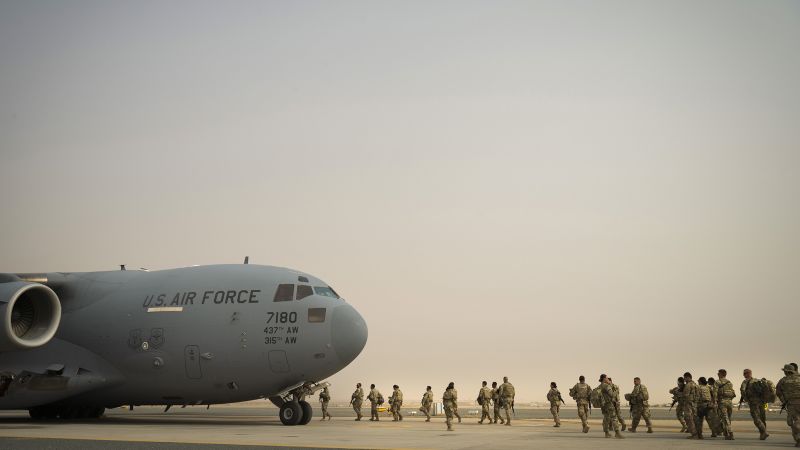
The Pentagon is deploying 10,000 additional military personnel to the Middle East in the coming days as President Donald Trump seeks to force a diplomatic resolution to the ongoing conflict with Iran. The surge in force is intended to increase pressure on Tehran to reach an agreement, while providing the U.S. With the capability to launch further strikes or initiate ground operations should a fragile ceasefire collapse.

The reinforcement includes a third aircraft carrier with 6,000 extra soldiers—the USS George H.W. Bush—alongside an amphibious unit. This deployment brings the total U.S. Military presence in the region to approximately 60,000 troops. The move comes as a fragile ceasefire is set to expire next week, following a series of diplomatic talks between Washington and Tehran that have so far yielded no results.
Tensions have reached a critical point following the U.S. Decision to block the Strait of Hormuz starting Monday, April 7, 2026. Under this operation, the U.S. Is intercepting ships traveling to and from Iranian ports to exert economic pressure on the regime. The U.S. Military claims to have achieved “maritime superiority,” asserting that the blockade of Iranian ports was completed within 36 hours of the operation’s start. This follows a period where Iran had previously closed the strait, granting access only to vessels paying high fees.
The escalation in the Strait of Hormuz, a critical artery for global energy supplies, risks triggering a wider economic shock through rising oil prices. Former military officials and critics have warned that further escalation could lead to significant military losses and severe global economic repercussions.
Tehran has condemned the U.S. Naval actions as “piracy,” with the Iranian military warning on state television that “no port in the region will be safe.” In a separate escalation, reports indicate that Iran threatens to block the Red Sea. The Financial Times reports that Iran secretly acquired a Chinese espionage satellite to monitor major U.S. Military bases throughout the region.
The diplomatic landscape remains volatile. While President Trump has suggested the war with Iran is “almost over,” other assessments are more pessimistic, noting that the chance of a negotiated solution is now very compact.
Beyond the standoff with Iran, the region continues to face instability. Reports indicate that 13 people were killed in recent attacks on Lebanon, though negotiations between Israel and Lebanon have begun. President Trump has too suggested the possibility of new discussions with Iran, highlighting the precarious balance between military escalation and diplomatic effort.
