
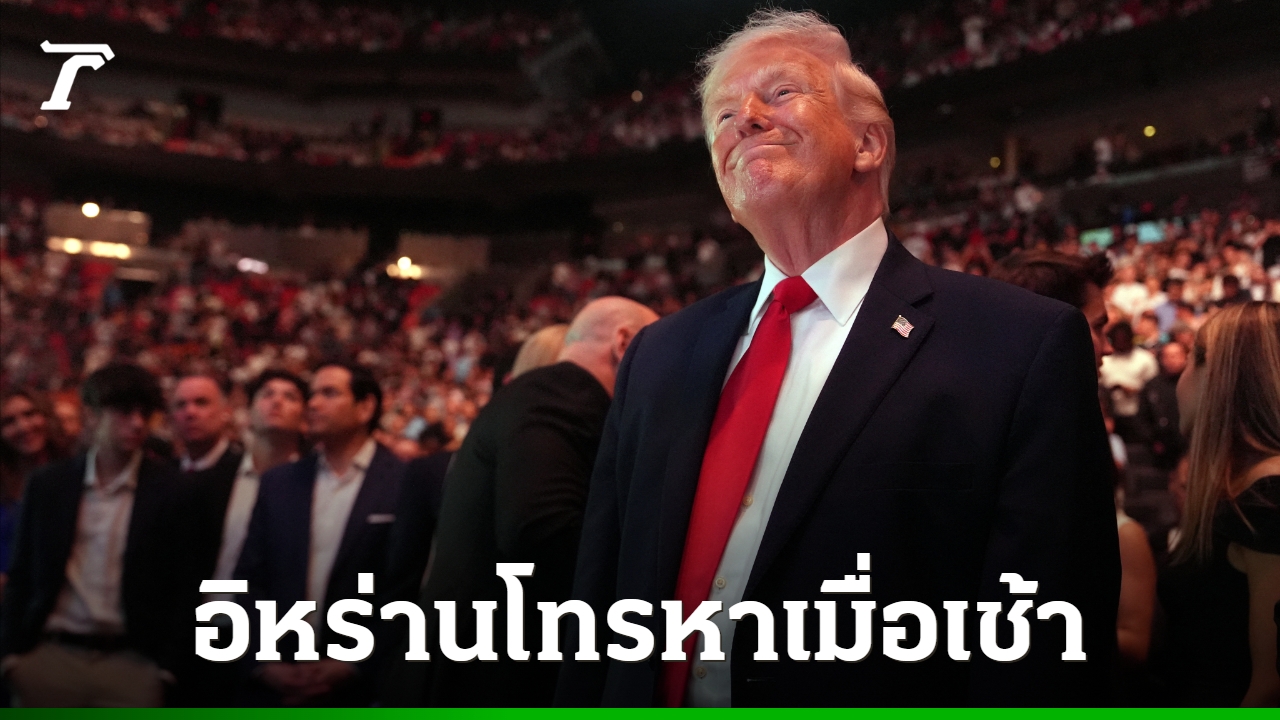
U.S. Implements Naval Blockade of Strait of Hormuz Following Collapse of Iran Peace Talks
President Donald Trump announced a U.S. Naval blockade of the Strait of Hormuz on Sunday, April 12, 2026, after diplomatic efforts in Islamabad failed to produce a lasting agreement with Tehran. The move marks a severe escalation in regional hostilities, with the President threatening to destroy “the little that is left of Iran” following the breakdown of the peace talks.
The blockade comes after a brief and unstable period of diplomacy. On Wednesday, April 8, 2026, the United States, Iran, and Israel had reached a tentative two-week ceasefire intended to stabilize a conflict that has already disrupted global energy markets. However, the agreement quickly frayed as Tehran accused the Trump administration of significant violations. During this period, Iran maintained that it would continue to enrich uranium and exercise control and charging over ships navigating the Strait of Hormuz.
The sudden shift from a ceasefire to a naval blockade underscores the volatile nature of current Middle Eastern diplomacy. The development has triggered immediate concerns regarding maritime safety, with the UKMTO issuing warnings to commercial vessels as the U.S. Military closes in on Iranian ports. This escalation is also reverberating through global financial centers, as major indices including the Dow Jones, Nasdaq, and S&P 500 face risks tied to the volatility in the Middle East.
Internally, the path to conflict has been marked by tension within the White House. Reports indicate that in a series of Situation Room meetings, President Trump weighed his own instincts against pessimistic intelligence assessments and deep concerns raised by his vice president. Despite these warnings, the administration has stood by the President’s aggressive rhetoric. White House press secretary Karoline Leavitt defended the President’s warning that a “whole civilization will die,” describing the remark as a “very strong threat” that was necessary to achieve results and maintain the “moral high ground.”
The collapse of the Islamabad talks has left the international community questioning the future of regional stability. Whereas analysts are weighing various scenarios regarding what follows the blockade, the immediate reality is one of heightened military readiness. Recent diplomatic movements included Secretary of State Marco Rubio meeting with NATO Secretary General Mark Rutte in Washington on April 8, 2026, and Vice President JD Vance returning to Washington from Budapest on the same day.
As of Monday, April 13, 2026, the situation remains fluid. While claims have surfaced regarding Iranian desires to reach a novel deal, the implementation of the blockade suggests a shift toward a more confrontational strategy. The current standoff threatens to further destabilize global trade routes and prolong the conflict across the Middle East.
