
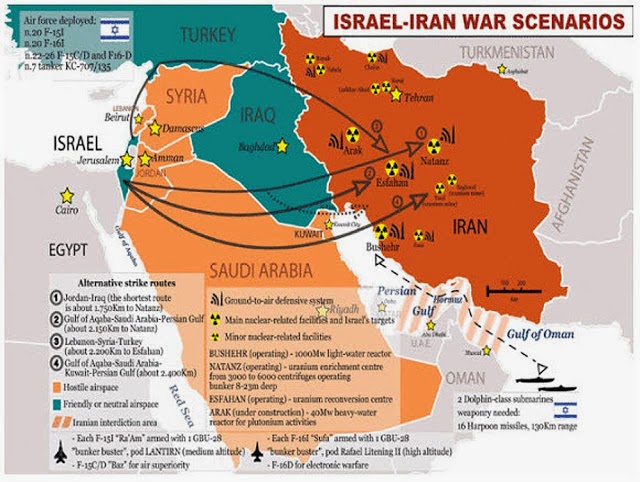
Tensions between the United States and Iran continue to fluctuate between diplomatic overtures and military threats, as both nations navigate a volatile geopolitical landscape. While You’ll see signs of potential dialogue, the risk of escalation remains high, underscored by military posturing and the economic toll of ongoing conflict.
In a move toward potential de-escalation, Pakistan has indicated that the United States and Iran are open to a second round of negotiations. These discussions are seen as critical, particularly as the need for peace in Lebanon becomes increasingly urgent. This diplomatic opening suggests a fragile effort to prevent further regional destabilization.
Still, the path to peace is fraught with military friction. A military advisor to Iran’s Supreme Leader has issued a stark warning, threatening to sink U.S. Vessels in the Strait of Hormuz should the United States interfere with maritime navigation. This threat highlights the strategic volatility of the region, where a single tactical miscalculation could trigger a broader confrontation.
The complexity of the situation is further illustrated by four potential scenarios regarding the future of U.S.-Iran relations, ranging from continued diplomatic stalemate to open conflict. This uncertainty is mirrored in the economic sphere; reports suggest the U.S. Government has been hesitant to release the official cost of the conflict with Iran, fearing public backlash. Some media estimates speculate that expenditures have already approached 1.1 trillion baht.
Adding another layer to the global dynamic, Russia has asserted that it has developed effective methods to mitigate the impact of international sanctions, as noted by Investing.com. The ability of Russia to bypass sanctions while maintaining a strategic partnership with Iran complicates U.S. Efforts to isolate Tehran.
These developments underscore a precarious balance where diplomatic hope is constantly challenged by military threats and economic pressure, leaving the stability of the Middle East in a state of high alert.
