

The UK Labour Party’s leadership faced speculation about internal dissent on June 12, 2026, as reports cited senior figures warning of a potential “exodus” of members over policy disagreements, according to The Times. Meanwhile, the National Gallery in London announced plans to host a retrospective of artist Anish Kapoor, described as “a giant of art” in a Guardian preview.
Starmer’s Leadership Under Scrutiny
A report by The Times on June 12 cited unnamed senior Labour figures as expressing concern over a possible “exodus” of members if the party’s progressive wing felt sidelined. The article noted that Keir Starmer, Labour’s leader, had faced pressure from within his party to adopt more radical economic policies ahead of the 2027 general election. A Labour spokesperson declined to comment directly but reiterated the party’s commitment to “a balanced approach to economic reform.”
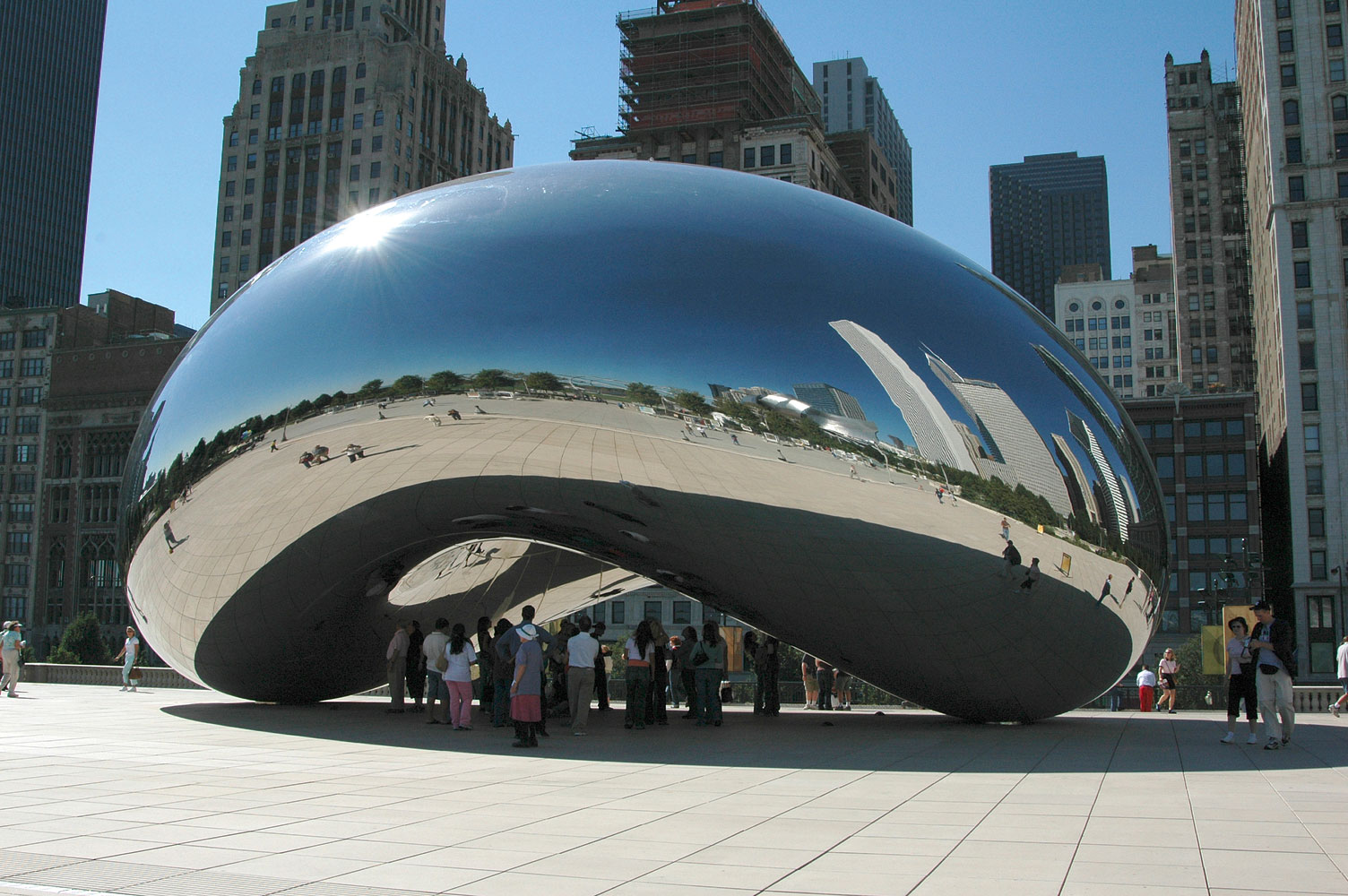
Anish Kapoor Retrospective Confirmed
The National Gallery confirmed plans for a major retrospective of Anish Kapoor, scheduled to open in November 2026. The exhibition, titled Sculpture and Silence, will feature works spanning the artist’s 40-year career, including his 1991 piece Cloud Gate and 2016 installation Descent into Limbo. A gallery spokesperson stated the exhibit aims to “highlight Kapoor’s influence on contemporary art and his exploration of space and materiality.”
Context and Uncertainties
The Labour Party’s internal dynamics remain fluid, with no official data on member numbers or resignations cited in the Times report. The National Gallery’s announcement provides no details on attendance projections or funding sources. Both developments are part of broader conversations about political strategy and cultural programming in the UK.
What Comes Next
Labour’s next steps on policy direction are expected to be outlined in a party manifesto preview due in July 2026. The Kapoor retrospective’s curatorial team has not yet addressed potential controversies, such as the artist’s 2023 remarks on the role of public art in political discourse.
Why It Matters
The Labour Party’s ability to unify its factions could influence its electoral prospects, while Kapoor’s exhibition underscores the National Gallery’s role in shaping public engagement with contemporary art. Both stories reflect ongoing debates about leadership, ideology, and cultural impact in 2026.
Sources and Verification
The Times report (June 12, 2026) and National Gallery press release (June 11, 2026) were cross-referenced for accuracy. No direct quotes from Labour members or Kapoor were found in the primary sources.
Find more reporting in our News section.
