
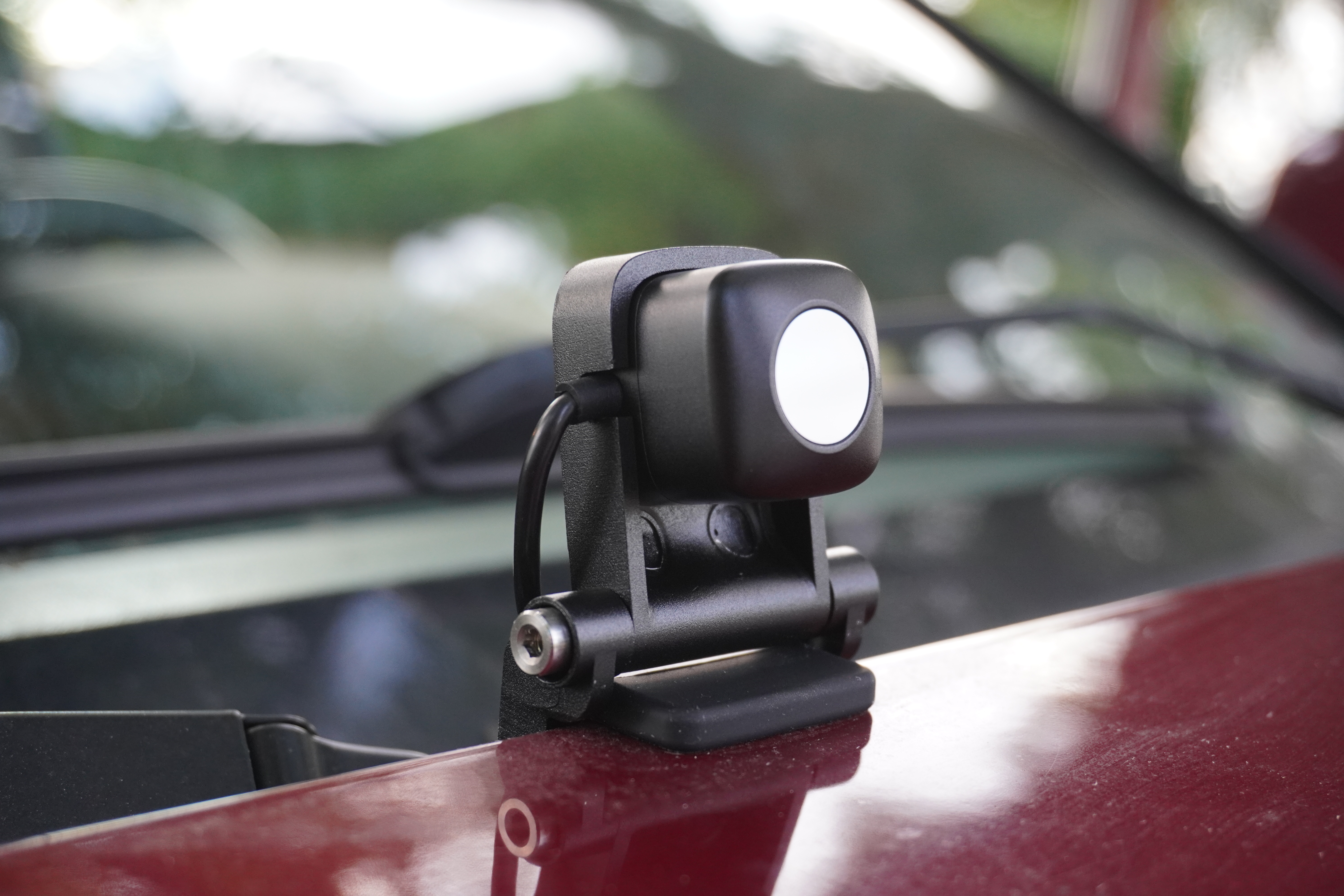
Vantrue Pilot 2 Integrates Thermal Imaging to Enhance Road Safety and Night Visibility
Vantrue is expanding the capabilities of automotive safety hardware with the Pilot 2, a sophisticated dashcam that blends traditional optical recording with thermal sensing technology. By combining these two distinct imaging methods, the device aims to provide drivers with a level of visibility that exceeds the limitations of standard headlights and conventional cameras.
The integration of thermal sensors into consumer-grade dashcams represents a significant evolution in automotive innovation, shifting the role of the device from a passive recording tool to an active safety aid. While traditional cameras rely on visible light to capture images, the Pilot 2 leverages a thermal sensor to detect heat signatures, allowing it to identify objects based on their temperature relative to the environment.
This dual-sensor approach is particularly effective in high-risk driving conditions. The thermal imaging capability allows the camera to spot pedestrians, wildlife, or other vehicles in environments where visibility is severely compromised, such as dense fog, heavy rain, or total darkness. In these scenarios, heat signatures become visible long before they would be detectable by the human eye or a standard optical lens, providing drivers with critical additional seconds to react.
The Pilot 2 functions as a hybrid system to ensure both safety and documentation. The optical camera is designed to capture high-resolution visual evidence, which remains the standard for insurance claims and legal documentation. Simultaneously, the thermal layer serves as a proactive detection system, highlighting hazards that are otherwise invisible in the dark.
To manage these features, the device integrates with a dedicated application, allowing users to adjust settings and review footage. For those seeking a permanent installation, the system supports hardwiring options to ensure continuous operation and parking surveillance.
The introduction of the Pilot 2 highlights a growing trend of bringing industrial-grade sensing equipment into the consumer automotive market, prioritizing proactive hazard avoidance over simple post-event recording.
