
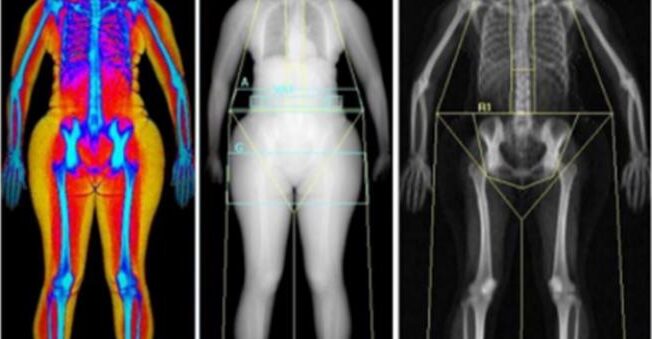
New research reveals a surprising link between abdominal fat and a common yet often overlooked women’s health issue: stress urinary incontinence. The study, conducted by a team of physiotherapists, found that women with higher levels of visceral fat—fat stored deep within the abdomen—were significantly more likely to experience involuntary urine leakage during everyday activities like coughing, laughing, or exercising.
The findings, published this month, highlight a 51% increase in the risk of stress urinary incontinence for women with elevated visceral fat levels. The research focused on 99 women with an average age of 34 who had never participated in pelvic floor muscle training.
What Is Stress Urinary Incontinence?
Stress urinary incontinence occurs when physical pressure on the bladder—such as from sneezing, lifting heavy objects, or even brisk walking—causes unintended urine leakage. Unlike other forms of incontinence, which may stem from overactive bladder muscles or neurological issues, stress incontinence is primarily a mechanical problem tied to weakened pelvic floor muscles.

“It’s the urine loss that happens when abdominal pressure increases and the pelvic floor can’t hold it back,” explained Patrizia Driusso, a professor of physiotherapy at the Federal University of São Carlos and a collaborator on the study. “This condition affects women of all ages, including very young women. Unfortunately, these muscles rarely get the attention they need in daily life, and without proper training, they weaken over time.”
Why Visceral Fat Matters
Visceral fat, often called “hidden fat,” surrounds vital organs like the liver, pancreas, and intestines. Unlike subcutaneous fat, which lies just beneath the skin, visceral fat is metabolically active, releasing hormones and inflammatory compounds that can disrupt normal bodily functions. Previous research has linked it to serious health risks, including heart disease, type 2 diabetes, and certain cancers. Now, this study suggests it may also play a role in pelvic floor dysfunction.
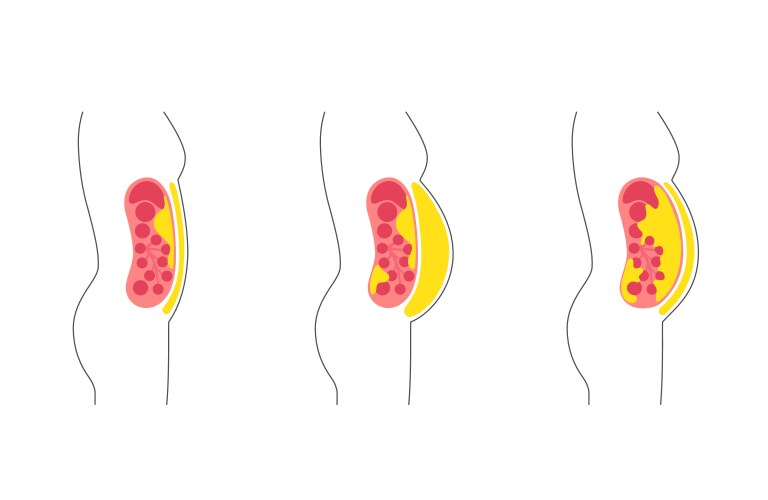
“The connection between visceral fat and incontinence isn’t fully understood, but we suspect it may be related to increased intra-abdominal pressure,” Driusso noted. “Excess fat in the abdomen can push downward on the bladder and pelvic organs, straining the muscles that support them. Over time, this added pressure may contribute to muscle fatigue and weakness.”
Who Is at Risk?
Whereas stress urinary incontinence can affect women at any age, certain factors may increase the likelihood of developing it. These include:
- Obesity, particularly abdominal obesity
- Pregnancy and childbirth
- Chronic coughing or conditions like asthma
- High-impact physical activities without proper pelvic floor conditioning
- Aging, which naturally weakens muscle tone
The study’s participants were all under 40 and had no prior history of pelvic floor exercises, suggesting that even younger women can be vulnerable if preventive measures aren’t taken.
Can the Risk Be Reduced?
The great news, according to researchers, is that stress urinary incontinence is often manageable—and in some cases, reversible. The most effective strategies include:

- Pelvic floor exercises (Kegels): Targeted muscle contractions can strengthen the pelvic floor, improving bladder control. Experts recommend incorporating these exercises into daily routines, such as during commutes or while watching TV.
- Weight management: Reducing overall body fat, particularly visceral fat, may alleviate pressure on the pelvic organs. A combination of a balanced diet and regular physical activity can help achieve this.
- Core strengthening: Exercises that engage the deep abdominal muscles, such as Pilates or yoga, may provide additional support to the pelvic floor.
- Behavioral adjustments: Simple changes, like avoiding heavy lifting when possible or practicing proper breathing techniques during exertion, can reduce strain on the pelvic muscles.
“Many women don’t realize that their pelvic floor muscles need the same attention as other muscle groups,” Driusso said. “Just as you’d train your arms or legs, these muscles require consistent exercise to stay strong. The sooner women start, the better their chances of preventing or managing incontinence.”
Breaking the Stigma
Despite its prevalence, stress urinary incontinence remains a taboo topic for many women. Studies suggest that up to one in three women will experience some form of incontinence in their lifetime, yet fewer than half seek medical advice. Experts emphasize that the condition is not an inevitable part of aging or childbirth—it’s a treatable issue that deserves attention.
“There’s no need to suffer in silence,” Driusso urged. “Simple interventions can build a big difference, and the earlier you address it, the better the outcomes. Talking to a healthcare provider or a pelvic floor specialist can help you find the right approach for your needs.”
The study’s findings underscore the broader importance of addressing visceral fat not just for metabolic health, but for overall quality of life. As researchers continue to explore the connections between body composition and pelvic floor function, women may have more tools than ever to grab control of their health.
For those interested in learning more about pelvic floor health, the Mayo Clinic offers a guide to Kegel exercises, and the American Urogynecologic Society provides resources on pelvic floor disorders.
