
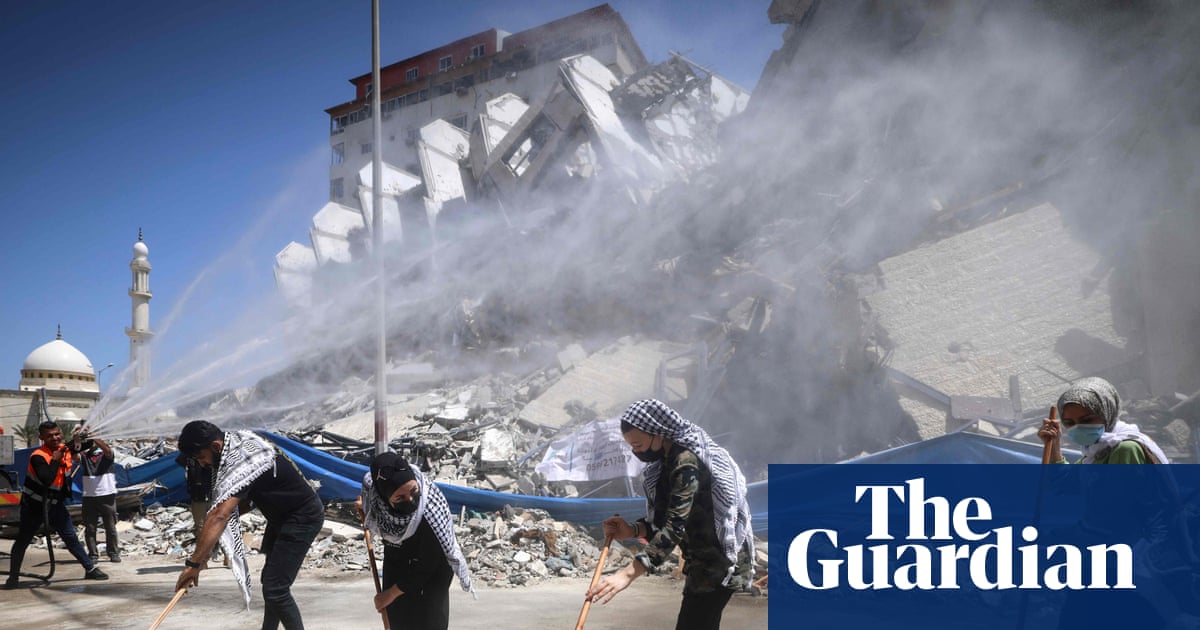
Hostage Release Raises Questions About Long-Term Viability of Gaza Plan
The release of Israeli hostages held by Hamas and Palestinian prisoners held by Israel, while a moment of profound relief, has simultaneously highlighted potential challenges to the long-term success of a proposed framework for Gaza’s future, raising concerns about its implementation.
The recent exchange, brokered with Qatari mediation, saw the release of individuals from both sides, with Jared Kushner, who played a key role in the negotiations, stating that “deal guys” succeeded by prioritizing agreement over immediate comprehensive solutions. Sheikh Mohammed bin Abdulrahman Al Thani, the Qatari prime minister, echoed this sentiment, noting that a “full-package negotiation” would have likely stalled progress. However, analysts suggest this approach mirrors the shortcomings of past peace efforts, such as the Oslo Accords, where crucial details were deferred, allowing for complicating factors like Israeli settlement expansion to undermine the process.
Key questions remain regarding Israel’s potential withdrawal from Gaza, where it currently occupies approximately 53% of the territory. While a phased withdrawal is outlined in the plan, contingent on an international stabilization force and the establishment of a security buffer zone, Prime Minister Benjamin Netanyahu has emphasized continued Israeli control over key areas, stating last week, “The IDF remains deep inside Gaza territory and controls all of its dominating points.” Furthermore, the prospect of Hamas disarmament appears unlikely, with a senior Hamas official telling Agence France-Presse that disarmament is “out of the question.” This echoes historical patterns of the group maintaining its military infrastructure, a critical factor in its continued power. For more on the complexities of the Israeli-Palestinian conflict, see the Council on Foreign Relations resource page.
The proposed “international stabilization force” also faces significant hurdles, including securing a UN mandate, addressing the financial contributions of participating nations, and defining its operational scope. A western diplomat, speaking to the Financial Times, indicated the force’s presence alone might be considered a success, even without active intervention. Reconstruction efforts, vital for Gaza’s recovery, are also uncertain, with concerns about ensuring materials aren’t diverted for military use, mirroring the slow pace of rebuilding after the 2014 conflict. The lack of Palestinian ownership in the plan, and the absence of a clear path toward Palestinian-led governance, as detailed in a recent Headlinez News report, further complicates the situation. This situation is particularly sensitive as the ongoing conflict has created a humanitarian crisis and displaced a significant portion of the Gazan population.
Officials indicate that the next steps involve continued negotiations with regional and international partners to address these outstanding issues and determine the feasibility of a sustainable long-term solution.
