

Why Your Diabetes Medication May Be Less Effective: The Hidden Role of Gut Health and Diet
For many patients managing type 2 diabetes, the first line of defense is often Metformin, one of the most widely prescribed medications globally. However, some individuals locate that the drug does not lower their blood sugar as effectively as expected. New insights suggest the problem may not lie with the medication itself, but rather with the gut microbiome and the specific foods that shape it.
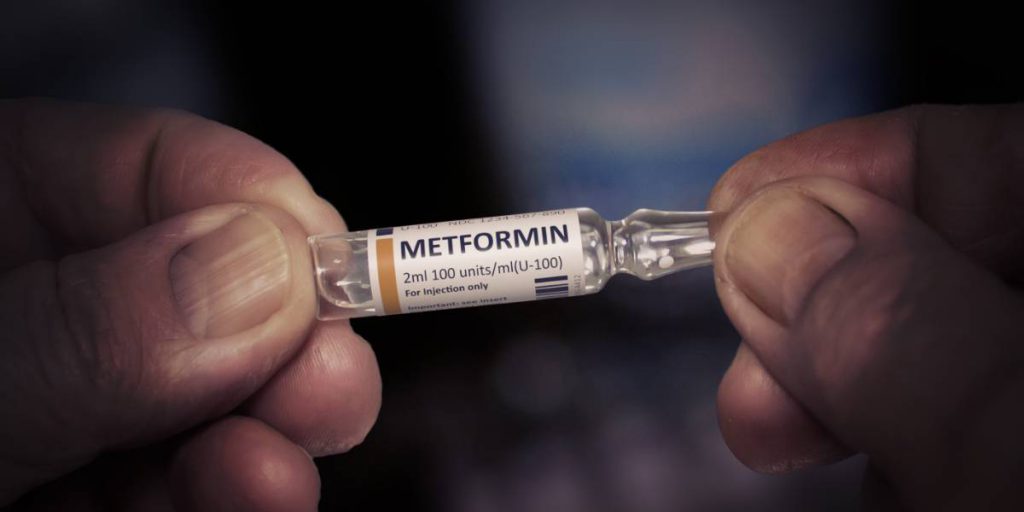
According to health experts, an imbalance in gut flora can produce metabolites that actively counteract the effects of Metformin. This biological interference creates a cycle where dietary choices directly impact the efficacy of medical treatment, highlighting the critical link between nutrition and pharmacological success.
The primary culprit identified is a metabolite known as imidazole propionate (ImP). Certain bacteria in the gut convert histidine—an amino acid found in food—into ImP. When the gut microbiome is imbalanced, this conversion increases significantly, leading to an accumulation of ImP in the bloodstream.
The impact of this metabolite was detailed in a study published in the journal Cell in 2018. The research confirmed that patients with diabetes typically exhibit significantly higher concentrations of ImP in their blood. Crucially, ImP inhibits the activation of AMPK, which is the essential biological pathway Metformin utilizes to lower blood glucose. Elevated levels of ImP can effectively “discount” the drug’s potency.
Researchers have identified two primary dietary patterns that contribute to the rise of ImP:
- High Saturated Fat Intake: Diets rich in red meats, processed meats, butter, and fried foods encourage the growth of a specific imbalanced microbiome (Bacteroides 2 type). This particular bacterial profile is not only linked to increased ImP production but is also strongly associated with obesity, metabolic syndrome, and diabetes.
- Insufficient Fiber and Vegetable Consumption: A lack of dietary fiber starves beneficial bacteria and allows harmful strains to dominate. This reduction in microbial diversity further drives up ImP concentrations.
Interestingly, the study found that the total amount of histidine consumed did not differ significantly between participants with high and low ImP levels. This suggests that the key factor is not how much of a specific nutrient a person eats, but rather the composition of the gut flora that processes those nutrients.
Because the gut microbiome is constantly reshaped by what we eat, experts suggest that those taking Metformin or working to improve insulin resistance should focus on dietary restructuring. Adopting the “211 plate principle” is recommended to foster a healthier microbial environment and ensure medications can work at full capacity.
Understanding these interactions underscores the growing importance of personalized nutrition in chronic disease management. By managing the gut environment, patients may be able to unlock the full potential of their prescribed treatments. For more information on how diet impacts medication, you can explore further details regarding diabetes medication and diet.
