
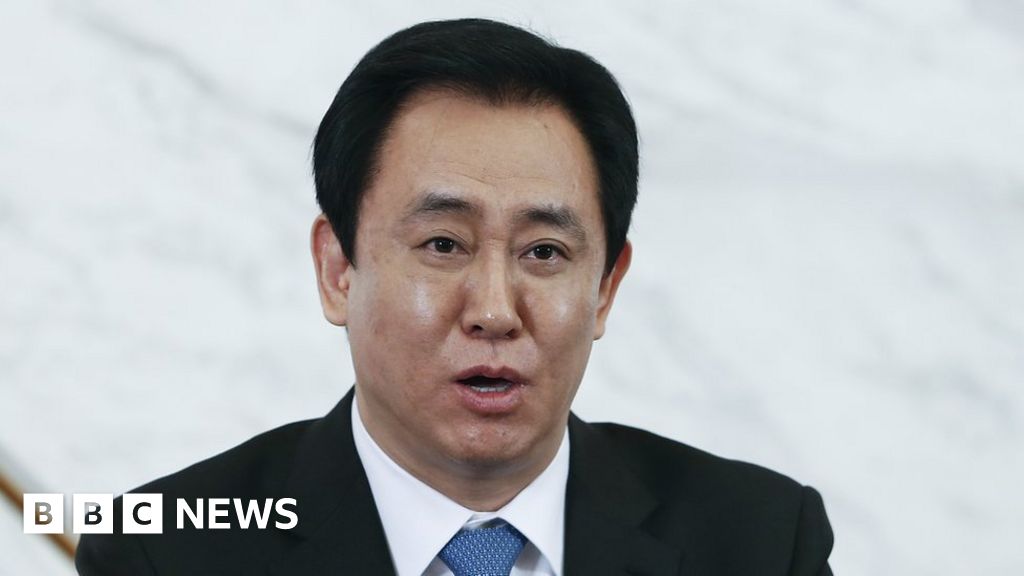
Evergrande Founder Hui Ka Yan Pleads Guilty to Fraud and Embezzlement
Hui Ka Yan, the founder of the collapsed real estate giant China Evergrande Group, has pleaded guilty to a series of financial crimes, including embezzlement of assets, corporate bribery, and fundraising fraud. The admission comes as a pivotal moment in the aftermath of a corporate collapse that triggered a systemic crisis across China’s property sector.

During a public hearing held on April 13 and 14, 2026, in the city of Shenzhen, Hui—also known as Xu Jiayin—expressed remorse for his actions. According to court statements and reports from Chinese state media, the charges against him include the misuse of funds and the illegal acceptance of public deposits. The court has indicated that a final verdict will be announced at a later date.
The legal proceedings revealed a pattern of financial mismanagement that left countless investors and homebuyers in limbo. The court heard that Evergrande diverted millions of dollars in pre-sale funding provided by potential house buyers. Rather than utilizing these funds for the construction of the promised homes, the company redirected the capital toward modern projects, resulting in hundreds of unfinished properties across China. This decision underscores the severe operational failures that led to the firm’s downfall.
Once the second-largest property developer in China by sales and the most valuable real estate company globally, Evergrande’s trajectory shifted sharply in 2021. The company’s debt-driven growth model, which relied on approximately $300 billion in borrowed money, eventually became unsustainable. At the peak of its operations, Evergrande managed around 1,300 projects across 280 different cities, with a stock market valuation that once exceeded $50 billion.
Founded in 1996 by Hui, who rose from humble beginnings in rural China, the company primarily targeted upper- and middle-income earners. Though, the sudden collapse of the empire in 2021 served as a catalyst for a persistent slump in the Chinese property market, weighing heavily on the nation’s overall economic development.
The China Evergrande Group, which was incorporated in the Cayman Islands and headquartered in Shenzhen, was officially delisted from the Hong Kong Stock Exchange and liquidated in January 2024. The current legal outcomes for its founder highlight the ongoing fallout for the domestic banks and investors who were left reeling by the company’s dissolution.
