
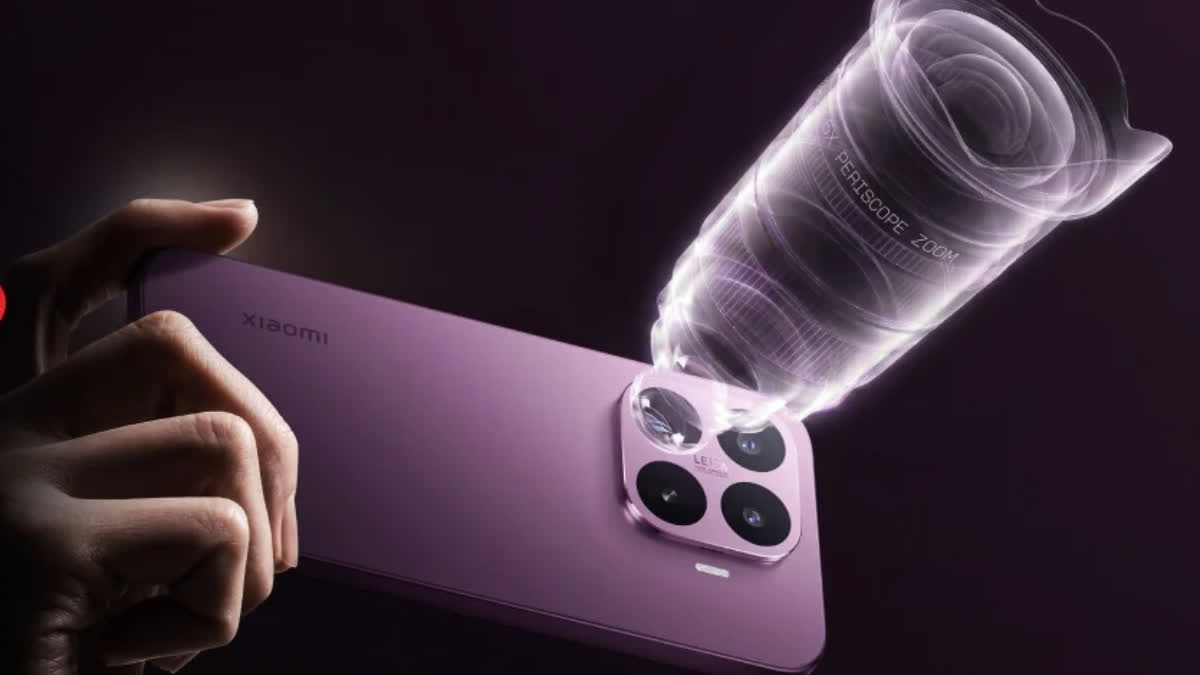
Xiaomi officially launched its Xiaomi 17T in India today, June 4, 2026, positioning it as a premium yet affordable alternative to its flagship series with a 6500mAh battery, Leica-tuned camera setup, and aggressive pricing that starts at ₹59,999 before discounts. The device marks the return of Xiaomi’s “T” series in India after a hiatus, offering a blend of high-end hardware and budget-conscious features in a crowded mid-range segment.
Why the 17T’s Launch Matters: A Mid-Range Powerhouse in a Flagship-Like Package
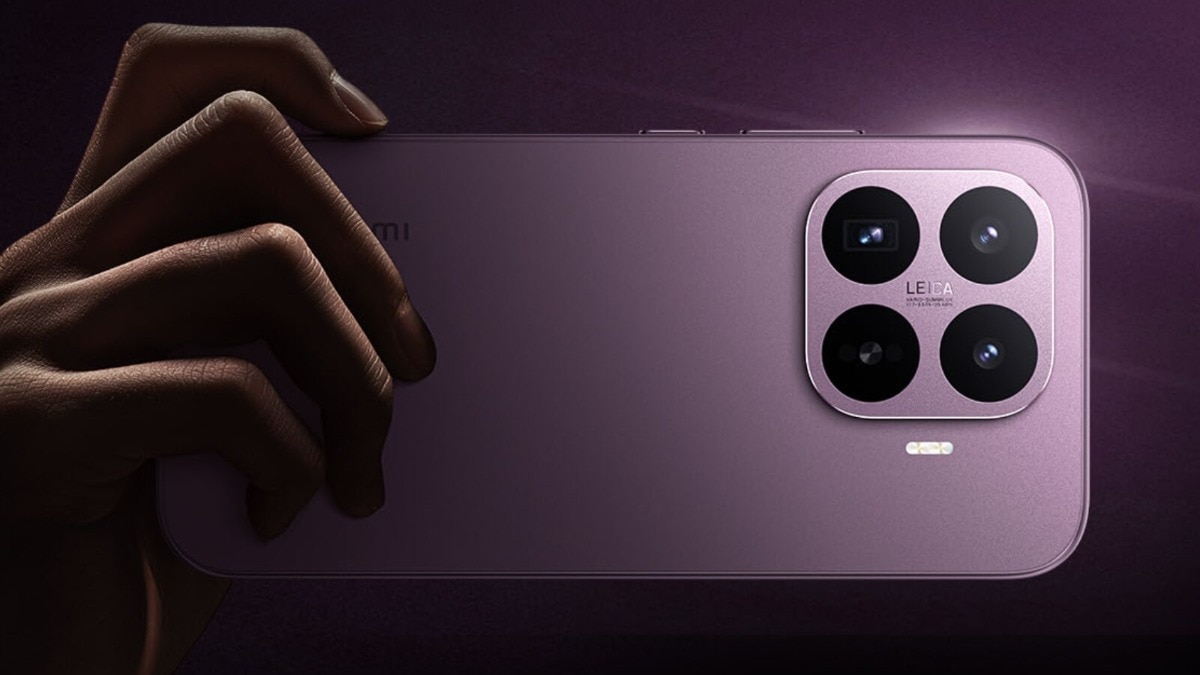
The Xiaomi 17T isn’t just another incremental upgrade—it’s a calculated bet on India’s growing demand for long battery life and premium photography at accessible prices. With a 6500mAh battery (the largest in its class) and a 67W HyperCharge feature, the phone directly challenges competitors like the OnePlus Nord 5 and Realme GT Neo 5, which also prioritize endurance over ultra-thin designs. The inclusion of a Leica-tuned triple-camera system—featuring two 50MP sensors—positions it as a serious contender for photography enthusiasts who’ve traditionally gravitated toward Xiaomi’s 14 Series or Redmi K Series.

According to ETV Bharat, the base variant (12GB RAM + 256GB storage) starts at ₹59,999, while the top-tier model (12GB RAM + 512GB storage) is priced at ₹64,999. However, bank offers slash these prices further: users paying via HDFC Bank, SBI Card, American Express, or ICICI Bank cards receive an instant ₹5,000 discount, bringing the effective price to ₹54,999 for the base model. Xiaomi is also guaranteeing a 60% buyback value after one year, a rare incentive in India’s smartphone market.
The Specifications That Could Redefine Mid-Range Phones
The 17T’s hardware is a study in balanced compromises. While it lacks the Snapdragon 8 Gen 3 chipset found in Xiaomi’s flagship 14 Series, it instead packs the MediaTek Dimensity 8500 Ultra, a chip that delivers flagship-like performance while keeping costs down. This aligns with Xiaomi’s strategy of offering near-flagship specs at a fraction of the price—a playbook that has worked well for its Redmi Note and POCO series.
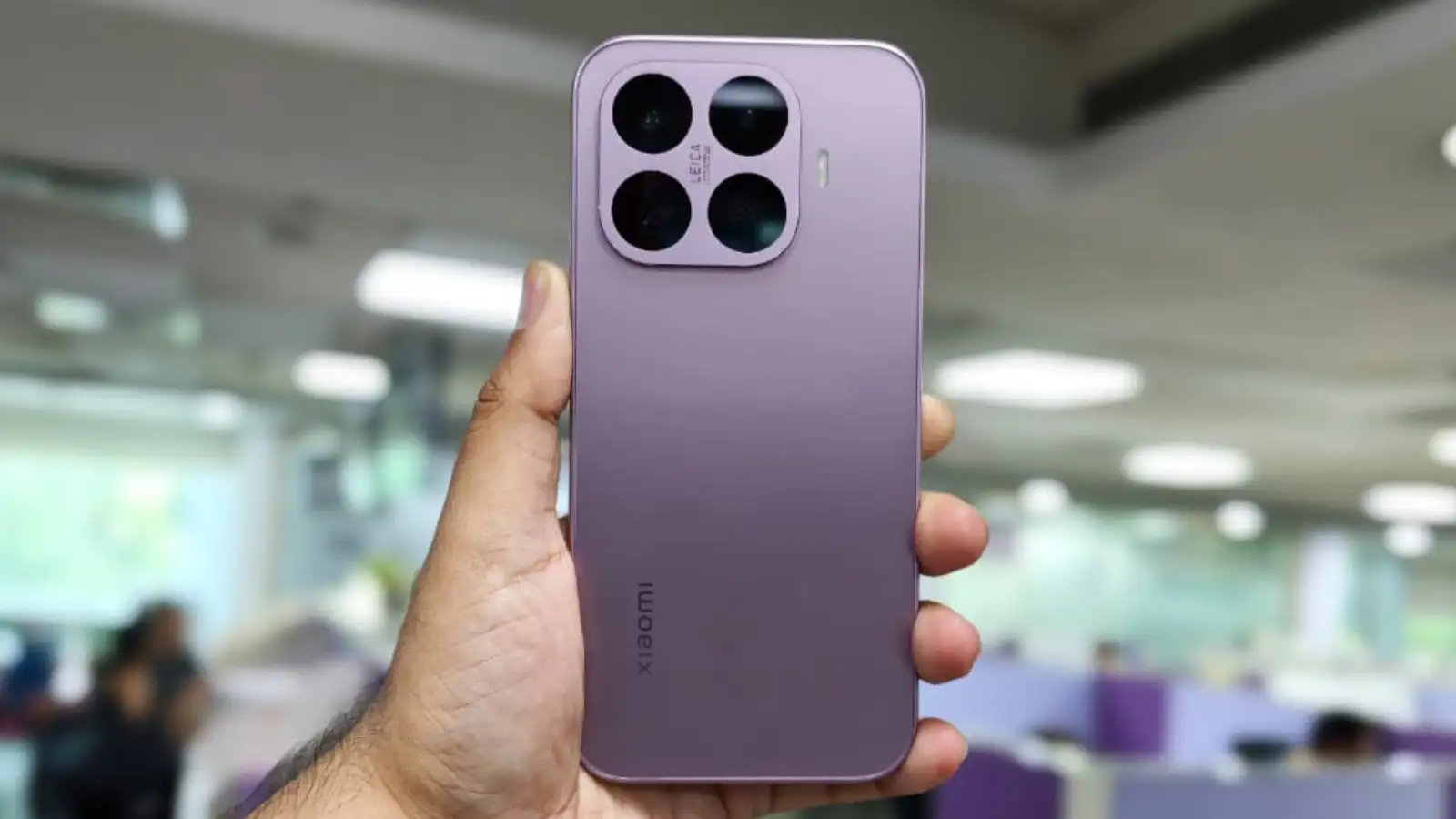
- Display: 6.59-inch AMOLED (1.5K resolution, 120Hz refresh rate)
- Processor: MediaTek Dimensity 8500 Ultra (5nm)
- RAM/Storage: 12GB LPDDR5x + 256GB/512GB UFS 3.1
- Camera: 50MP (main) + 50MP (ultrawide) + 2MP (macro); Leica processing
- Battery: 6500mAh with 67W fast charging
- Software: MIUI 15 (Android 14)
The 6500mAh battery is a standout feature, especially in a market where even mid-range phones often ship with 4500–5000mAh cells. As AajTak reported, this capacity is paired with Silicon Carbon technology to improve efficiency, though Xiaomi hasn’t disclosed exact talk-time figures. The Leica collaboration—a first for the T series—adds a premium sheen, though early reviews suggest the software processing may not match the Xiaomi 14 Ultra’s computational photography.
Pricing Strategy: How Xiaomi Is Winning the Affordable Premium War
Xiaomi’s pricing for the 17T is deliberately aggressive, undercutting direct competitors by 10–15%.
| Phone | Starting Price (India) | Key Differentiator |
| Xiaomi 17T (12GB+256GB) | ₹59,999 (₹54,999 with bank discount) | 6500mAh battery, Leica cameras |
| OnePlus Nord 5 (12GB+256GB) | ₹64,999 | Snapdragon 8 Gen 3, 5000mAh battery |
| Realme GT Neo 5 (12GB+256GB) | ₹62,999 | 120W fast charging, 5000mAh battery |
| Samsung Galaxy A54 (12GB+256GB) | ₹49,999 | Exynos 1380, 5000mAh battery |
Xiaomi’s move to ₹59,999 (before discounts) is particularly notable because it directly competes with Samsung’s Galaxy A54, which starts at ₹49,999 but lacks a high-refresh-rate display and Leica processing. The 17T’s AMOLED screen and 120Hz refresh rate push it into the “premium mid-range” category, where brands like Oppo and Vivo have struggled to gain traction in India. Xiaomi’s ability to offer flagship-level displays and cameras at a lower price point could force competitors to either lower prices or improve value propositions.
The bank discounts and 60% buyback guarantee are also strategic. In a market where 60–70% of smartphone sales are on EMI, Xiaomi’s 18-month no-cost EMI option (with zero down payment) makes the 17T an attractive choice for budget-conscious buyers. As Navbharat Times noted, these offers are designed to drive immediate sales volume while also locking in long-term customer loyalty through Xiaomi’s ecosystem (e.g., Spotify Premium, YouTube Premium bundles).
The “T” Series Returns: What This Means for Xiaomi’s India Strategy
The Xiaomi 17T isn’t just a new phone—it’s a reintroduction of the “T” series in India, a lineup that was previously limited to global markets. The “T” series has historically been Xiaomi’s mid-range powerhouse, offering flagship-like performance at lower prices.
- Aggressive competition with OnePlus and Realme: Xiaomi is directly targeting OnePlus’s Nord series and Realme’s GT Neo lineup, which have dominated the ₹50,000–₹70,000 segment. The 17T’s battery and camera strengths are designed to appeal to users who prioritize those features over raw processing power.
- A pivot toward affordability: While Xiaomi’s 14 Series remains its flagship, the 17T is a clear signal that the company is doubling down on mid-range devices—a segment where it has historically lagged behind competitors like Samsung and Motorola.
- Software as a differentiator: The inclusion of MIUI 15 with Android 14 (and potential Xiaomi HyperOS updates later) suggests Xiaomi is betting on its custom UI and ecosystem integration (e.g., Mi Pay, Xiaomi Health) to retain users long-term.
This strategy mirrors Xiaomi’s 2023 global push with the Redmi Note 13 Pro+, which combined flagship hardware with aggressive pricing to capture market share. In India, however, the challenge is stiffer: local brands like Samsung and Motorola have deep pockets, and Chinese competitors like Oppo and Vivo are also ramping up mid-range offerings. Xiaomi’s success here will hinge on whether the 17T’s battery and camera justify the ₹5,000–₹10,000 premium over alternatives like the Samsung Galaxy A54.
What’s Next: Will the 17T Change the Mid-Range Game?
The 17T’s launch is just the beginning.
- Competitor responses: Expect Samsung, OnePlus, and Realme to react with price cuts or new models. Samsung’s Galaxy A55 (rumored for July) could face direct pressure if the 17T’s battery and display prove popular.
- Sales performance: Xiaomi’s pre-order numbers (expected by June 10) will reveal whether the bank discounts and EMI offers are driving demand. If sales exceed 50,000 units in the first week, it could signal a new benchmark for mid-range phones.
- Review verdicts: Early hands-on reviews (from Gadgets 360, The Indian Express) will determine whether the Leica cameras and 6500mAh battery live up to expectations. If critics praise the battery life and photography, Xiaomi may expand the lineup with a 17T Pro variant.
- Regulatory scrutiny: The 60% buyback guarantee is unusual in India’s smartphone market. If consumers find it difficult to trade in old devices, Xiaomi could face complaints or legal challenges over fulfillment.
The bigger question is whether the 17T can shift the mid-range narrative. For years, Indian buyers have accepted that battery life and camera quality are flagship-only features. If the 17T proves that ₹60,000 can deliver near-flagship experiences, it could redraw the boundaries of what’s “affordable”—and force competitors to either match its specs or accept lower margins. For Xiaomi, this launch isn’t just about selling phones; it’s about redefining the mid-range category.
One thing is clear: in a market where price sensitivity meets feature hunger, the Xiaomi 17T is a bold gambit. Whether it pays off will depend on whether Indian consumers are ready to pay a premium for battery life and cameras—or if they’ll stick with the ₹40,000–₹50,000 options that have dominated the segment for years.
