
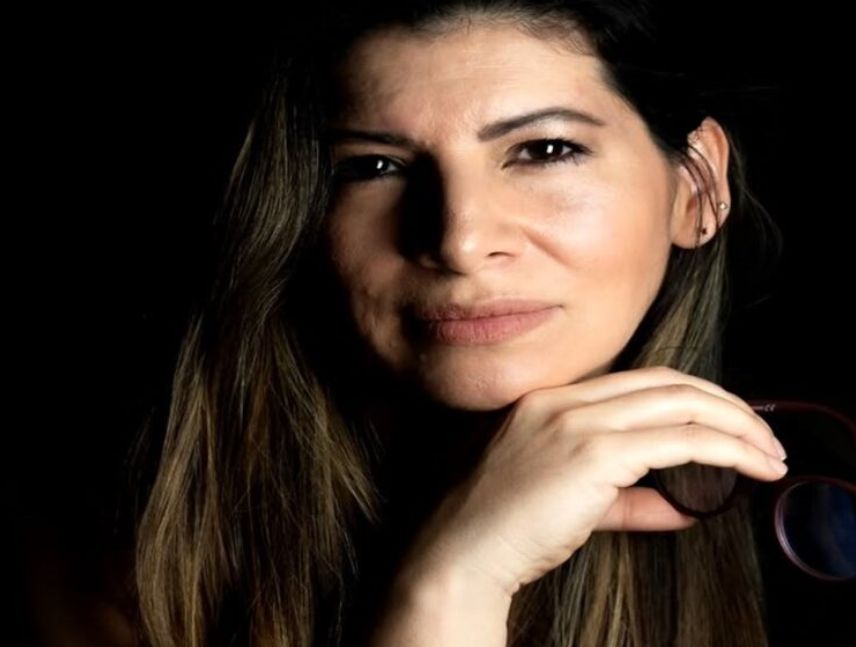
On June 3, 2026, journalist Maryorin Méndez and two colleagues were briefly detained by Venezuelan security forces while covering a protest by family members of political prisoners near El Helicoide, sparking condemnation from press freedom organizations. The incident, which unfolded in Caracas, highlights ongoing tensions between authorities and media covering sensitive political events.
Detention During Protest Sparks Outcry
The Sindicato Nacional de Trabajadores de la Prensa (SNTP) reported that Méndez, along with photographers Miguel Gutiérrez and Leonardo Fernández, were intercepted by agents of the Servicio Bolivariano de Inteligencia Nacional (Sebin) while documenting the movement of political prisoners from El Helicoide, a site repeatedly accused of human rights abuses. According to the SNTP, the journalists were approached by Sebin officers on motorcycles and detained for a brief period before being released without charges. “Abordaron efectivos del Sebin, en tres motos, en un sector cercano a El Helicoide, donde realizaban cobertura y tomas de video,” the union stated, citing the incident as a violation of press freedom.

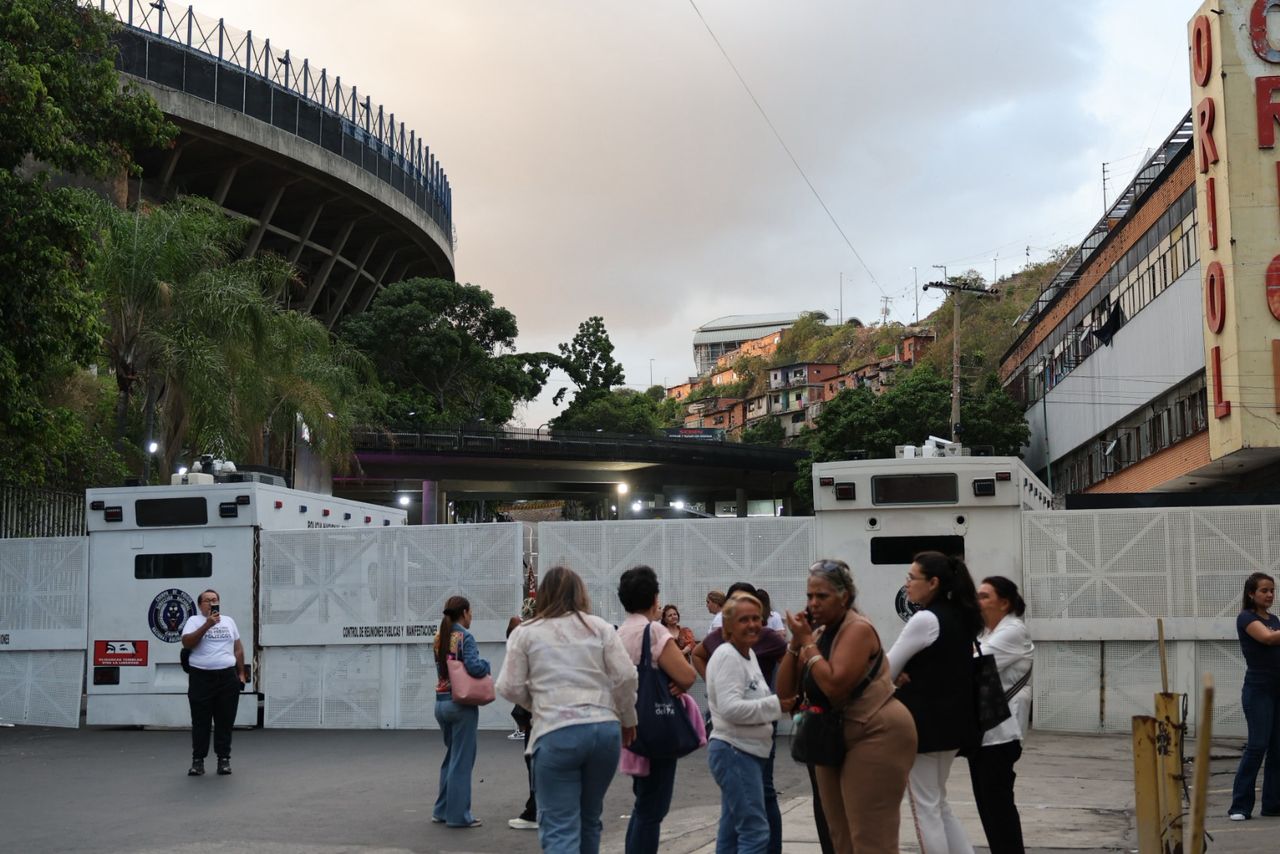
Diario Libre’s report detailed how the photographers were stopped while capturing images of buses allegedly transporting political prisoners. One Sebin agent reportedly attempted to inspect Fernández’s camera before the group was taken to a nearby facility. “Los funcionarios, uno de los cuales forcejeó con el fotógrafo de Reuters Leonardo Fernández para revisar su cámara, les pidieron subir a sus motocicletas para llevarlos hasta el Sebin,” the article noted. Despite the confrontation, none of the journalists were interrogated or forced to delete their footage.
Encuentro Ciudadano, a political movement led by Delsa Solórzano, condemned the detention as an “arbitrary” act. “Expresamos nuestro firme rechazo a las detenciones de los trabajadores de la prensa Maryorin Méndez, Miguel Gutiérrez y Leonardo Fernández, ocurridas mientras cubrían una protesta pacífica convocada por familiares de presos políticos,” the group stated, emphasizing that such actions undermine democratic principles.
Context of El Helicoide and Political Detentions
El Helicoide, a mid-20th-century structure initially designed as a commercial hub, has long been a focal point of controversy. Now home to the Sebin and the Policía Nacional Bolivariana (PNB), the site has been repeatedly criticized by human rights groups and the United Nations for alleged torture and arbitrary detentions. A 2025 report by the UN Mission for Venezuela documented “cases of torture and abuse” at the facility, though the Venezuelan government has consistently denied these claims.
The protest that led to the journalists’ detention centered on concerns over the potential transfer of political prisoners to undisclosed locations. Family members of detainees described being denied access to their relatives and receiving no information about possible relocations. “Desde la mañana, los familiares de los presos políticos llegaron al lugar; les negaron la visita y, además, no les han proporcionado información sobre posibles traslados,” an organization involved in the protest stated. This follow-up to a January 2026 directive by interim President Delcy Rodríguez to repurpose the site as a social and sports center has raised further alarm.
Reuters photographer Leonardo Fernández described the incident as a “clear attempt to intimidate journalists covering sensitive stories.” Despite the confrontation, the media team was allowed to continue their work after a brief detention, though the incident underscores the risks faced by reporters documenting political unrest in Venezuela.
Press Freedom Advocates Condemn the Action
The SNTP and Encuentro Ciudadano both reiterated the importance of unimpeded journalism in democratic societies. “El periodismo es un pilar esencial de toda sociedad democrática y debe ejercerse sin intimidaciones ni restricciones arbitrarias,” Encuentro Ciudadano asserted, citing Article 57 of Venezuela’s Constitution, which guarantees freedom of expression. The SNTP added, “Reiteramos que la cobertura periodística de hechos de interés público debe ser respetada y garantizada,” emphasizing that the incident represented a “grave violation of the right to information.”
These statements align with broader concerns about press freedom in Venezuela. According to a 2025 report by the Committee to Protect Journalists, the country ranks among the most dangerous for media workers, with over 50 journalists imprisoned since 2017. The detention of Méndez and her colleagues, though brief, adds to a pattern of state interference in journalistic activities, particularly during politically charged events.
What Comes Next?
While the three journalists were released without charges, the incident has reignited debates over the role of the Sebin in monitoring and controlling media coverage. Activists and international observers are likely to scrutinize any further actions by the agency, particularly as political tensions in Venezuela remain high. The SNTP has called for an independent investigation into the detention, while Encuentro Ciudadano has pledged to continue advocating for press freedom.
For now, the event serves as a stark reminder of the challenges facing journalists in Venezuela.
