
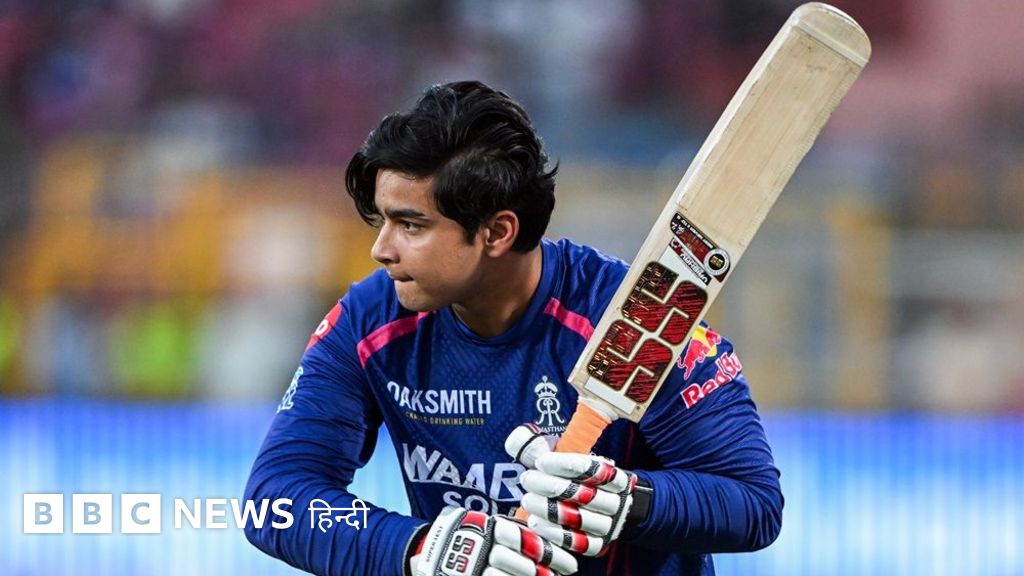
At just 15 years old, Vaibhav Suryavanshi has become the youngest player ever selected for India’s T20I squad, a historic leap that has stunned selectors and cricket fans alike. His explosive IPL 2026 season—776 runs in 16 matches, including an Orange Cap—forced the BCCI’s hand, with selectors admitting they could not ignore his talent after he single-handedly powered Rajasthan Royals to playoff contention. The decision marks a turning point for Indian cricket’s youth pipeline, but also raises questions about how the BCCI will manage a teenager thrust into the pressure-cooker environment of international tours.
Why selectors had no choice: The numbers that made Suryavanshi untouchable
The math was undeniable. In IPL 2026, Suryavanshi didn’t just break records—he obliterated them. His 776 runs in 16 matches (a strike rate of 237.30) earned him the Orange Cap and the Most Valuable Player award, while his playoff heroics against Mumbai Indians (112* off 58 balls) cemented his reputation as a match-winner. According to the BBC, selectors cited his ability to dominate games single-handedly as the deciding factor. “We’ve seen what he can do,” BCCI chief selector Ajit Agarkar told reporters. “In the playoffs, he carried Rajasthan Royals forward alone. There was no need to discuss whether he was good—it was about how we integrate him.”
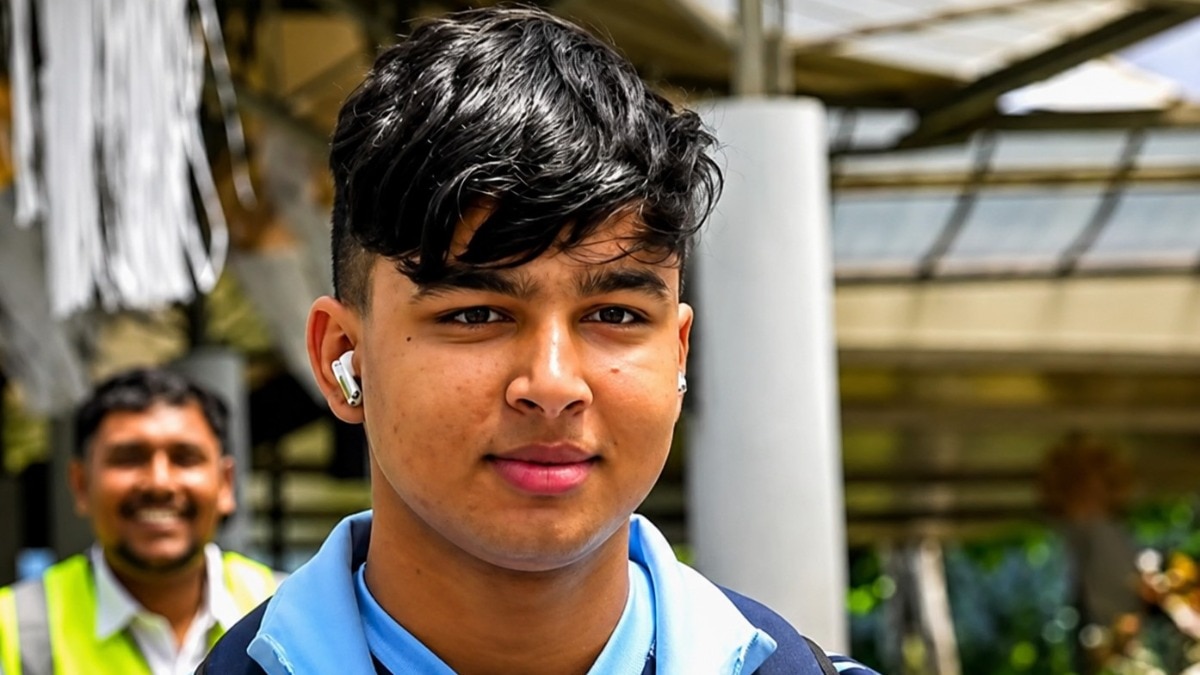
His selection isn’t just about raw talent, though. Suryavanshi’s versatility across formats—he’s already played red-ball cricket at the state level—made him a safer bet than pure T20 specialists. In an interview with Rajasthan Royals, he revealed his long-term ambition: “I don’t just want to play cricket. I want to dominate it for 10–20 years.” His adaptability, combined with his age (15 years, 71 days), positions him as a potential long-term asset for India across all three formats.
A 15-year-old in the lion’s den: How the BCCI is accommodating his youth
The BCCI’s decision to allow Suryavanshi’s parents to accompany him on the England tour—an unprecedented move for a teenager—underscores the challenges ahead. As AajTak reported, BCCI secretary Devjit Sarkar confirmed that the board granted special permission for his father to travel with him, citing the need for emotional support in a senior team environment. “He’s still a child,” Sarkar said. “At U-19 level, he traveled with his peers, but now he’s surrounded by adults. We wanted to ensure he feels comfortable.”
For more on this story, see Vaibhav Sooryavanshi Breaks IPL Powerplay Record.
This isn’t just logistical—it’s psychological. Suryavanshi’s father, Sanjeev Suryavanshi, told news.google.com that the family was “overjoyed” but also aware of the pressure. “The child has worked hard for this. Now, the responsibility is on us to help him handle the international stage.” The BCCI’s flexibility reflects a rare acknowledgment that talent alone isn’t enough; young players need scaffolding to thrive.
What his selection means for Indian cricket’s future
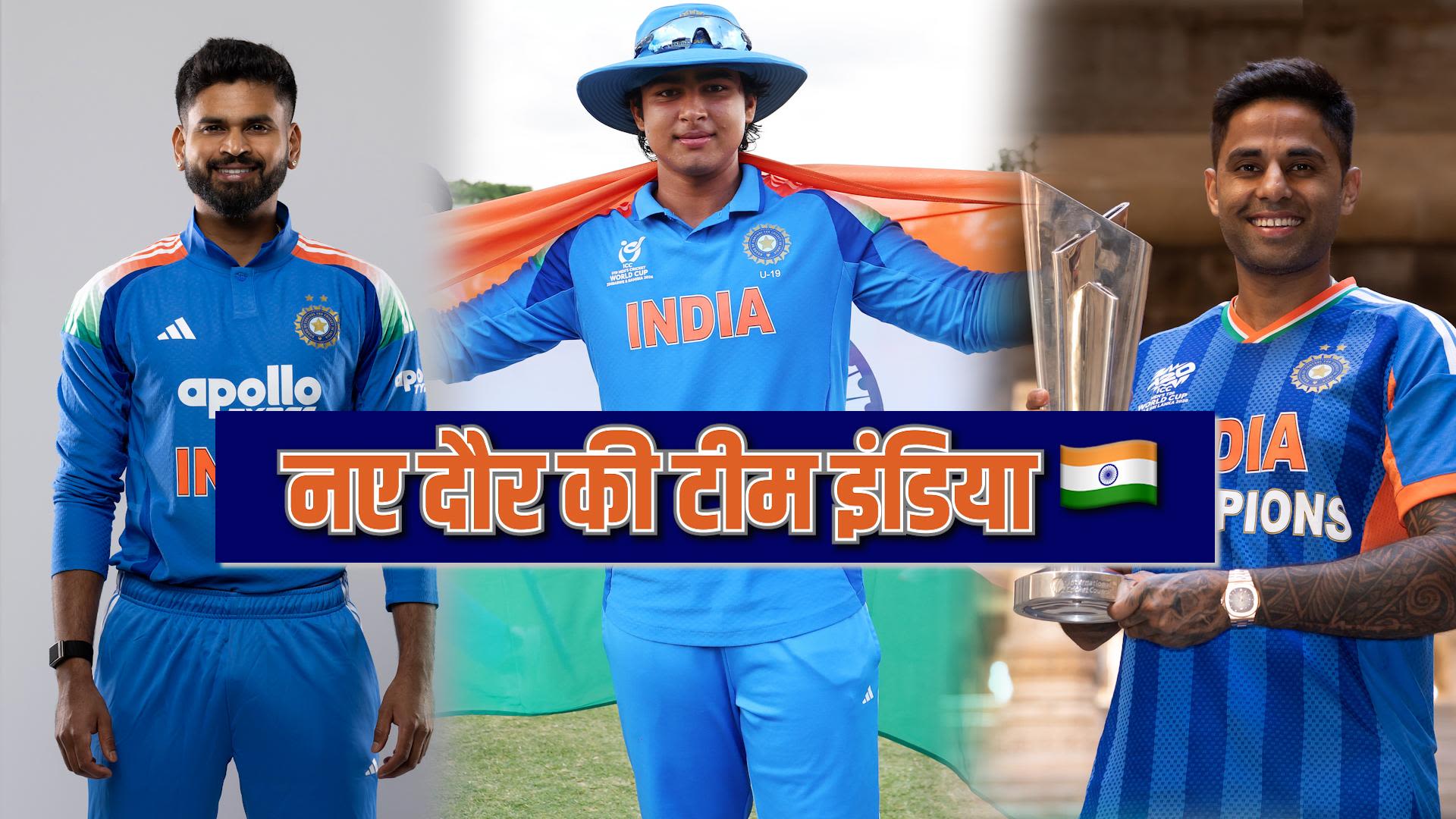
Suryavanshi’s selection isn’t just a personal milestone—it’s a statement about India’s cricketing philosophy. For years, the BCCI has faced criticism for its slow adoption of young talent, especially in white-ball cricket. His inclusion alongside Shreyas Iyer (now T20I captain) and the dropping of experienced players like Suryakumar Yadav signals a shift toward aggressive youth integration. ESPNcricinfo’s analysis frames it as a gamble: “India’s T20 side is now the youngest in its history, with Suryavanshi joining players like Ruturaj Gaikwad and Sanju Samson. The question is whether they can deliver under pressure.”
Historically, India’s youth transitions have been rocky. Players like Hardik Pandya and Jasprit Bumrah thrived after early selections, but others struggled with the leap from domestic to international cricket. Suryavanshi’s IPL success suggests he’s ready, but the real test will be his debut against Ireland and England in June-July. If he performs, he could become the face of Indian cricket for a generation—much like Rohit Sharma was at 21.
The road ahead: What happens next for Suryavanshi?
Suryavanshi’s journey isn’t over—it’s just beginning. His next major challenge is the Asian Games cricket tournament in September, where he’ll represent India’s under-19 side before potentially making his T20I debut later this year.
For the BCCI, the experiment with Suryavanshi will be watched closely. If he succeeds, it could accelerate the selection of other young talents like Yashasvi Jaiswal or Arshdeep Singh. But if he falters, it may reinforce the old guard’s skepticism about rushing youth into senior teams. One thing is certain: Indian cricket will never look at 15-year-olds the same way again.
For now, Suryavanshi’s story is one of defiance—against age, against expectations, and against the notion that greatness requires time. In an era where cricket’s youth pipeline is clogged with promising but unproven talents, he’s already delivered. The question is whether the rest of the world can keep up.
