
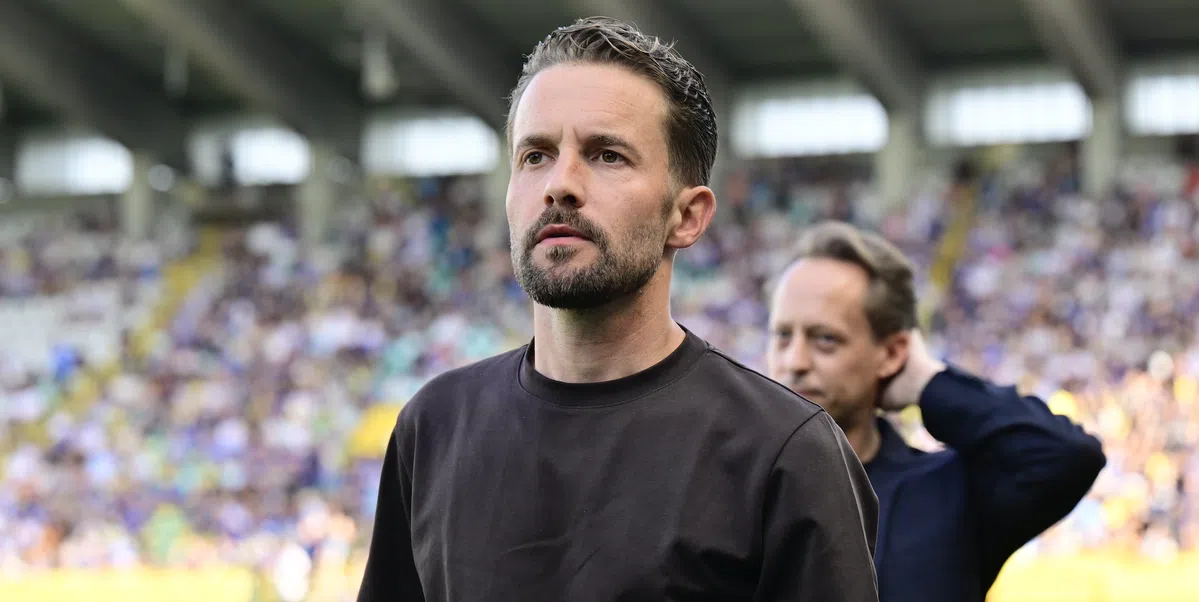
Feyenoord officially appointed 38-year-old Dévy Rigaux as technical director on June 1, 2026, marking a transition from his previous role at Club Brugge. The appointment has ignited immediate friction, as former national team coach Dick Advocaat publicly criticized Rigaux’s introductory press conference, questioning the power dynamics now present within the Rotterdam club. This structural shift arrives at a pivotal moment for the club, as Feyenoord seeks to stabilize its leadership hierarchy while balancing the expectations of its supporters against the backdrop of a changing administrative landscape in Dutch football.
Advocaat’s Public Critique of Rigaux and Club Structure
The arrival of Dévy Rigaux at Feyenoord has been met with skepticism from a prominent voice in the football community. Dick Advocaat, the experienced former coach of the Belgian national team, did not mince words when discussing the new technical director’s initial public appearance. Following the press conference where Rigaux addressed the uncertain future of head coach Robin van Persie, Advocaat made it clear he was deeply unimpressed with the rhetoric emanating from De Kuip.

“Ik vond het belachelijk” (I found it ridiculous), Advocaat stated, according to VoetbalPrimeur.be.
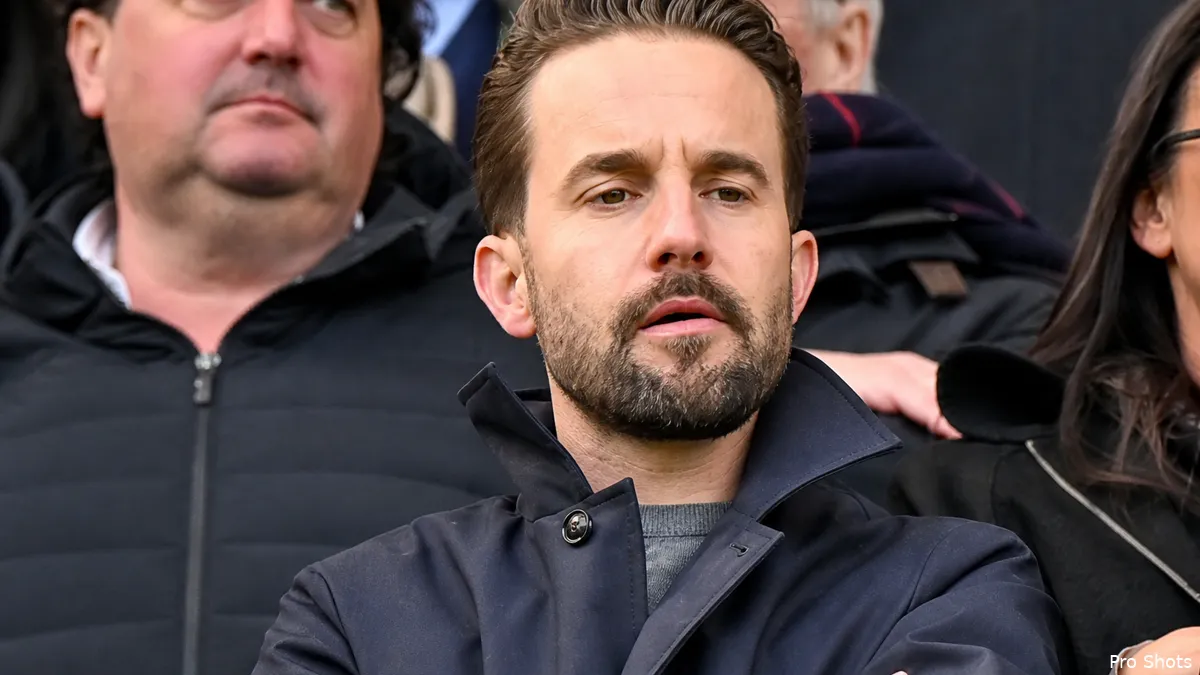
Advocaat’s concerns extend beyond the specific comments regarding the coaching staff. He argues that the modern trend of empowering technical directors to such a high degree is fundamentally flawed. His critique focuses on the belief that a technical director should operate in a secondary, supporting capacity rather than as the primary authority figure within a club’s hierarchy. By challenging the scope of Rigaux’s influence, Advocaat has effectively framed the appointment as a test of whether the club’s traditional values can coexist with contemporary management styles.
“Volgens hem krijgt de technisch directeur tegenwoordig veel te veel macht binnen een clubstructuur. Advocaat maakte duidelijk hoe hij de machtsverhoudingen binnen een voetbalclub ziet. Volgens hem hoort een technisch directeur vooral een ondersteunende rol te vervullen. ‘Een technisch directeur is een veredelde hoofdscout’, stelde hij scherp,” as reported by VoetbalPrimeur.be.
Rigaux’s Strategic Vision for Feyenoord
Despite the external criticism, Rigaux enters his tenure at Feyenoord with a clearly articulated plan. In his first interview with the club’s official media channel, Rigaux emphasized that his transition follows a successful 17-year period at Club Brugge. He described the move to Rotterdam as a natural next step, motivated by the club’s ambition and the distinct, passionate connection between the supporters and the team. Rigaux acknowledged the weight of expectations, noting that he is honored by the positive reception he has received from a significant portion of the club’s fanbase.
Rigaux intends to focus on a process-driven approach to recruitment and roster management. He views the synergy between the scouting department and the coaching staff as the cornerstone of structural success. For Rigaux, the challenge lies in maintaining a balance—ensuring that the club develops homegrown talent while simultaneously executing intelligent transfers to replace departing players. This focus on long-term sustainability is intended to insulate the first team from the volatility often associated with high-turnover transfer windows.
“Ik denk dat ik iemand ben met een duidelijke visie. Ik werk graag doelgericht op het gebied van aan- en verkoopbeleid,” Rigaux explained, noting his desire to maintain a healthy locker room by ensuring a personal connection with the players the club brings in. He maintains that his goal is to foster a “winners mentality” that mirrors the growth he experienced during his time in Belgium. By prioritizing individual relationships with the squad, Rigaux aims to establish a culture of accountability that extends from the training pitch to the front office.
The Stakes for the Upcoming Season
The friction between traditional coaching perspectives—represented by Advocaat—and the modern administrative approach championed by figures like Rigaux highlights the current tension in European football management. At the center of this debate is the future of Robin van Persie, whose position remains a focal point of speculation following Rigaux’s initial comments. The technical director’s ability to define the parameters of his relationship with the coaching staff will likely determine the level of internal harmony during the early stages of the season.
Rigaux faces the immediate pressure of proving that his administrative model can deliver the on-field results Feyenoord demands. The success of his tenure will likely be measured by his ability to navigate the transition period, manage the squad’s evolution, and ultimately prove that the technical director’s office can provide the stability necessary for long-term success. As the club prepares for the upcoming campaign, the administrative direction under Rigaux will remain under intense scrutiny from both the supporters and industry observers who remain skeptical of the evolving power structure within Dutch clubs.
For the club, the stakes of this appointment are high. With the administrative structure now centered on a new, modern-leaning technical director, the primary objective is to translate this organizational clarity into competitive consistency. The upcoming months will serve as a critical evaluation period for Rigaux, as he works to demonstrate that his specific vision for recruitment, player development, and staff collaboration is not only viable but essential for Feyenoord’s future standing in the league. As the club looks toward its next fixtures, the focus remains on whether this new leadership model can provide the necessary foundation for sustained growth.
